
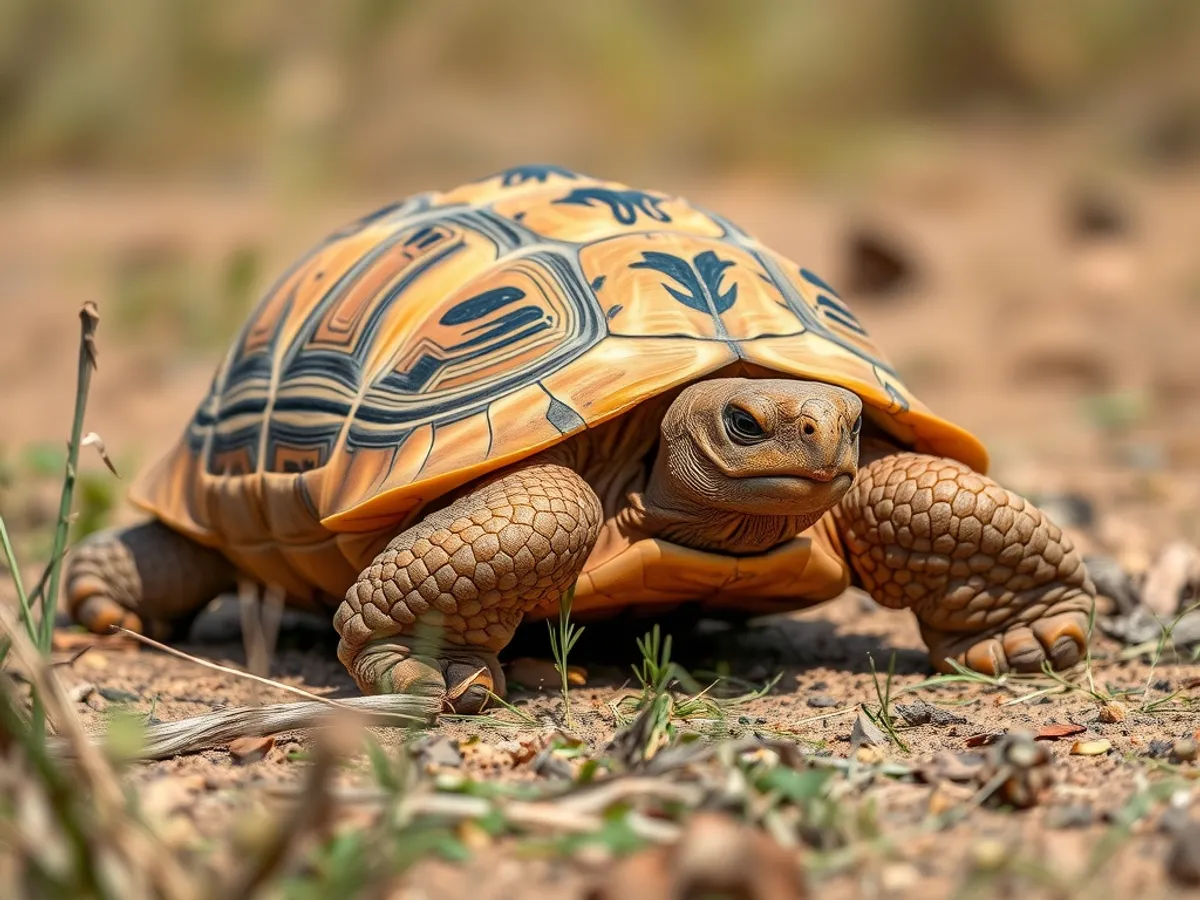
About the African Spurred Tortoise
The sulcata is the largest mainland tortoise on Earth — outweighed only by the island giants of Aldabra and Galapagos — and it can pass 100 kg. It survives the Sahel by engineering its own climate: it excavates burrows that can run 3 m deep and over 10 m long, where humidity stays high and temperature stable, and it aestivates through the worst of the dry season inside. Those burrows are a keystone resource, sheltering rodents, snakes, lizards and invertebrates that would otherwise cook. The tortoise stores water in an enlarged bladder and reabsorbs it as needed, which is why it can go months without drinking, feeding on dry grasses that most herbivores cannot digest. The "spurs" of its name are the conical, horny scales on the back of each thigh. Its size is also its tragedy in captivity: sold as a hatchling the size of a golf ball, it grows into a burrowing, fence-flattening animal that outlives its owner, and reptile rescues across the United States are permanently overwhelmed with abandoned adults.
Fascinating facts
World’s Third-Largest Tortoise
The African Spurred Tortoise is the largest mainland tortoise and the third-largest tortoise species globally, after the Galápagos and Aldabra tortoises.
Burrowing Experts
To avoid the extreme heat and dryness of their habitat, sulcatas dig deep burrows where humidity is much higher and temperatures are cooler.
Strict Herbivores
Their diet consists almost entirely of grasses and other dry vegetation, which helps them avoid dehydration in arid environments.
Detailed description
The African spurred tortoise (Centrochelys sulcata) is a robust, terrestrial reptile distinguished by its massive size, with adults commonly reaching 60–80 cm (24–32 in) in shell length and weighing between 40–100 kg (88–220 lbs), though exceptional individuals may exceed 100 kg. Its carapace is broad, domed, and deeply grooved with pronounced growth rings, while the plastron is flat and pale yellow to brown. The most distinctive anatomical feature is the presence of large, conical spurs (tubercles) on the posterior thighs, the function of which remains debated but may relate to defense or burrowing. The skin is thick, wrinkled, and covered in protective scales, especially on the forelimbs, which are adapted for digging. Sulcata tortoises are primarily crepuscular, emerging in the early morning and late afternoon to forage, and spend the hottest parts of the day in deep burrows they excavate to escape extreme temperatures, sometimes reaching depths of 3 meters (10 ft) and lengths of 10 meters (33 ft). Socially, they are mostly solitary but may aggregate at water sources or during the breeding season. Their diet consists almost exclusively of fibrous grasses and succulents, and they have a highly efficient digestive system adapted to extract moisture from dry forage. Longevity in the wild is estimated at 50–70 years, with some individuals in captivity living over 80 years. Their reproductive strategy involves laying clutches of 15–30 eggs in carefully excavated nests, with hatchlings emerging after a long incubation period.
Did you know?
Unlike many tortoises, the African Spurred Tortoise can grow rapidly, sometimes gaining several pounds per year when young.
Research & sources
Wikipedia summary
The African spurred tortoise, also called the sulcata tortoise, is an endangered species of tortoise inhabiting the southern edge of the Sahara Desert, the Sahel, in Africa. It is the largest mainland species of tortoise in Africa, and the third-largest in the world, after the Galapagos tortoise and Aldabra giant tortoise. It is the only living species in its genus, Centrochelys.
Behaviour & social structure
African spurred tortoises are primarily solitary and territorial, with males exhibiting aggressive behaviors such as ramming and biting during the breeding season to establish dominance. They are diurnal but adjust activity patterns to avoid extreme heat, often foraging in the cooler hours and retreating to burrows during midday. Their feeding behavior involves grazing on coarse, dry grasses, leaves, and occasionally flowers or cactus pads, using their strong jaws to shear tough vegetation. They have a keen sense of smell to locate food and water sources. Burrowing is a central behavior, not only for thermoregulation but also for maintaining hydration, as humidity levels are higher underground. Tortoises may share large burrow complexes, especially during droughts, but generally avoid close contact outside of breeding. They are known to travel considerable distances in search of food during the dry season.
Reproduction & life cycle
Breeding occurs at the onset of the rainy season (typically June to October), triggered by increased humidity and food availability. Males engage in combat for access to females, using their gular scutes to flip rivals. Courtship involves circling, head bobbing, and biting. Females lay 1–3 clutches per season, each containing 15–30 eggs, in nests dug 30–60 cm (12–24 in) deep. Incubation lasts 90–120 days, with temperature influencing sex determination (higher temperatures favor females). There is no parental care post-oviposition; hatchlings are independent and vulnerable to predation. Sexual maturity is reached at 10–15 years, depending on growth rates and environmental conditions.
Adaptations & survival
Centrochelys sulcata exhibits several adaptations for arid environments: thick, keratinized skin and scales reduce water loss; the ability to reabsorb water from the bladder and cloaca helps conserve moisture; and burrowing behavior provides refuge from extreme heat and desiccation. Their digestive system efficiently processes high-fiber, low-nutrient vegetation, and they can survive long periods without direct water intake, relying on metabolic water and moisture from food. The spurs on the hind legs may aid in digging or serve as a deterrent to predators. Their large size deters most predators, and their coloration provides camouflage in sandy habitats.
Cultural significance
The African spurred tortoise holds cultural significance in several Sahelian societies, often symbolizing longevity, resilience, and wisdom. In some regions, tortoises are featured in folklore and traditional stories. Historically, they have been used in traditional medicine and as a food source, though such uses are now discouraged due to conservation concerns. In recent decades, the species has become popular in the international pet trade, which has contributed to both public awareness and conservation challenges.
Recent research
Recent research has focused on the species' thermal ecology, revealing the critical importance of burrow microclimates for survival in increasingly variable Sahelian environments. Genetic studies have clarified the phylogenetic position of Centrochelys as a distinct genus, and ongoing population genetics work aims to inform reintroduction and management strategies. Studies on gut microbiota have highlighted adaptations to high-fiber diets and potential implications for captive husbandry. Conservation research is evaluating the effectiveness of community-based habitat management and the impacts of climate change on reproductive success. There is also growing interest in the role of the species as an ecosystem engineer, as their burrows provide shelter for numerous other desert organisms.
Videos
Habitat
Arid grasslands and savannas at the southern edge of the Sahara Desert
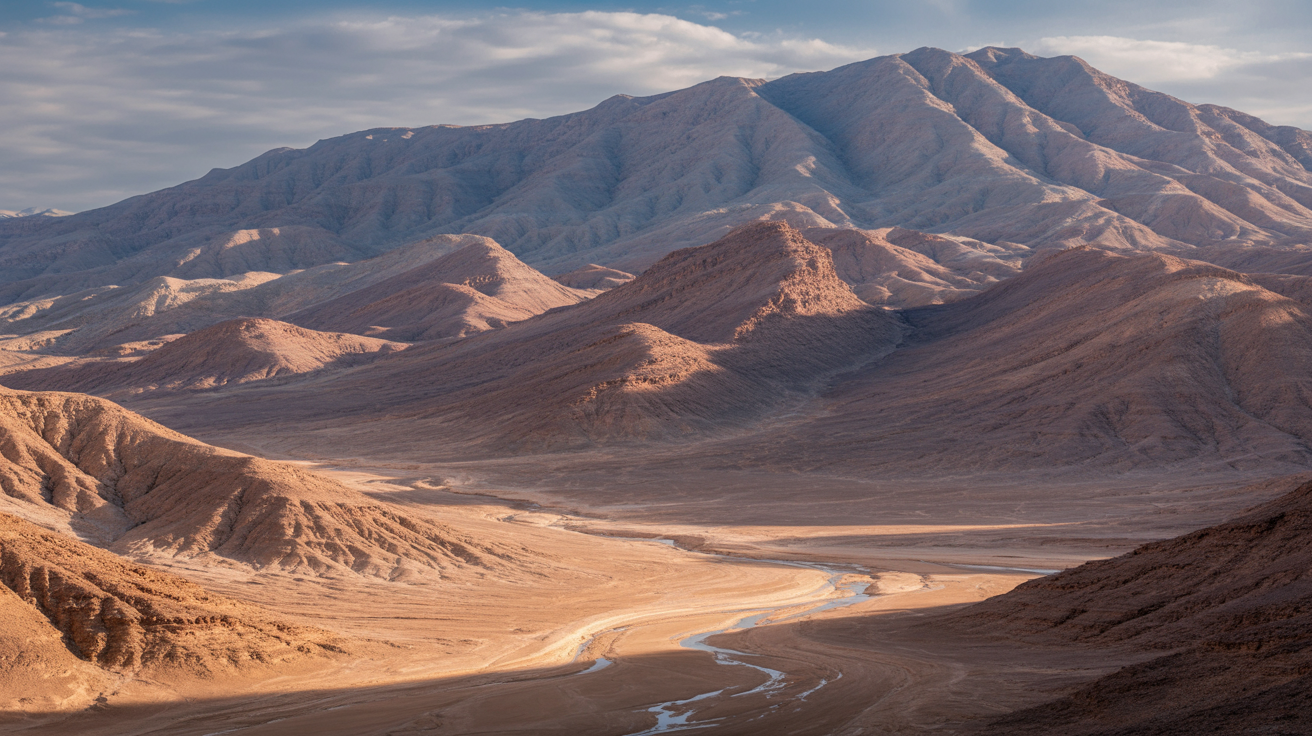 Arid Regions
Desert
Arid lands with minimal rainfall, extreme temperatures, and specialized wildlife adapted to harsh conditions.
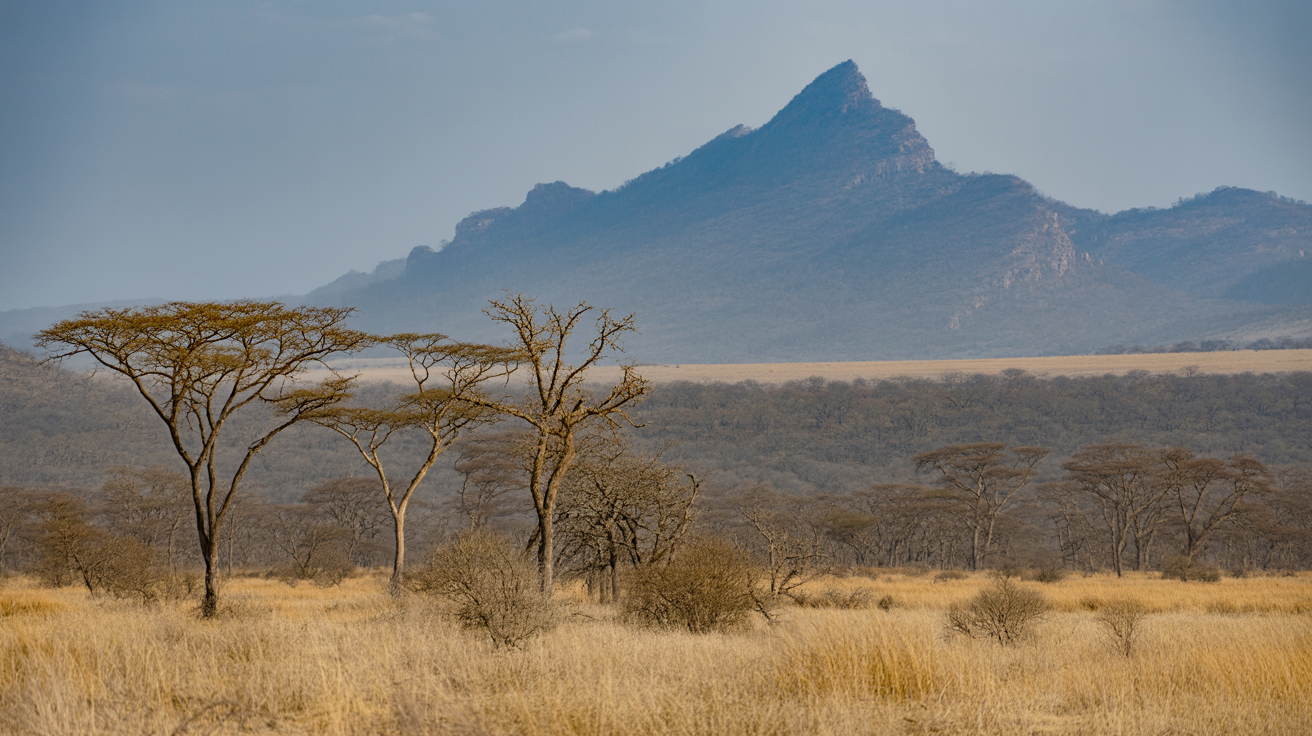 Africa
Savanna
Grasslands with scattered trees, characterized by seasonal rainfall and home to diverse grazing animals and predators.
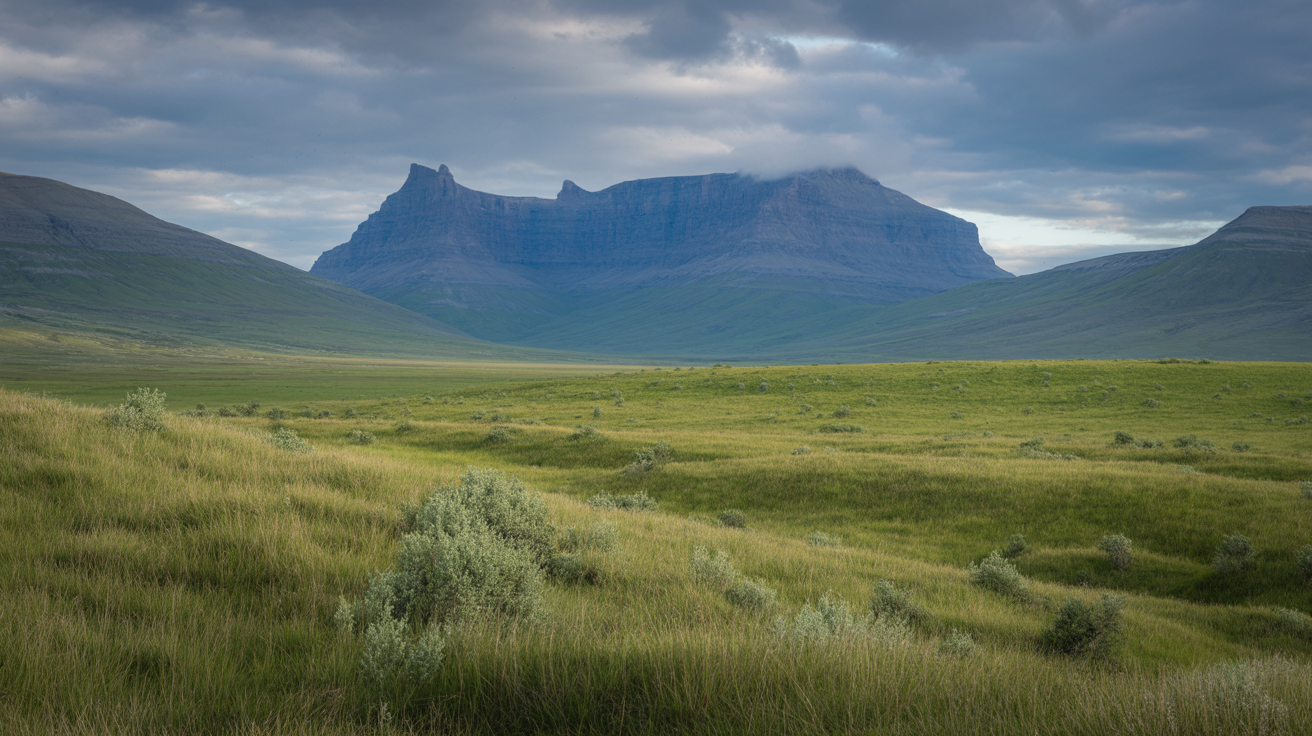 Various Continental Regions
Grassland
Open areas dominated by grasses rather than trees, supporting numerous herbivores and their predators.
Conservation
The African Spurred Tortoise is currently classified as Vulnerable on the IUCN Red List.
Threats & challenges
Major threats include habitat loss due to agricultural expansion, overgrazing by livestock, and urbanization, which fragment populations and reduce available forage. Over-collection for the international pet trade has significantly depleted wild populations, despite legal protections. Climate change exacerbates droughts and alters vegetation patterns, further stressing populations. Predation on eggs and hatchlings by mammals, birds, and reptiles limits recruitment. Disease transmission from domestic animals and invasive species also poses emerging risks. Population trends are declining, and the species is classified as Endangered by the IUCN (2021). Conservation efforts focus on habitat protection, anti-poaching measures, and regulated captive breeding.
Taxonomy
Scientific name
Centrochelys sulcata
- Kingdom
- Animalia
- Phylum
- Chordata
- Class
- Reptilia
- Order
- Testudines
- Family
- Testudinidae
- Genus
- Centrochelys
- Species
- sulcata
Where to see an african spurred tortoise
16 zoos and aquariums in 6 countries are recorded as keeping this species.
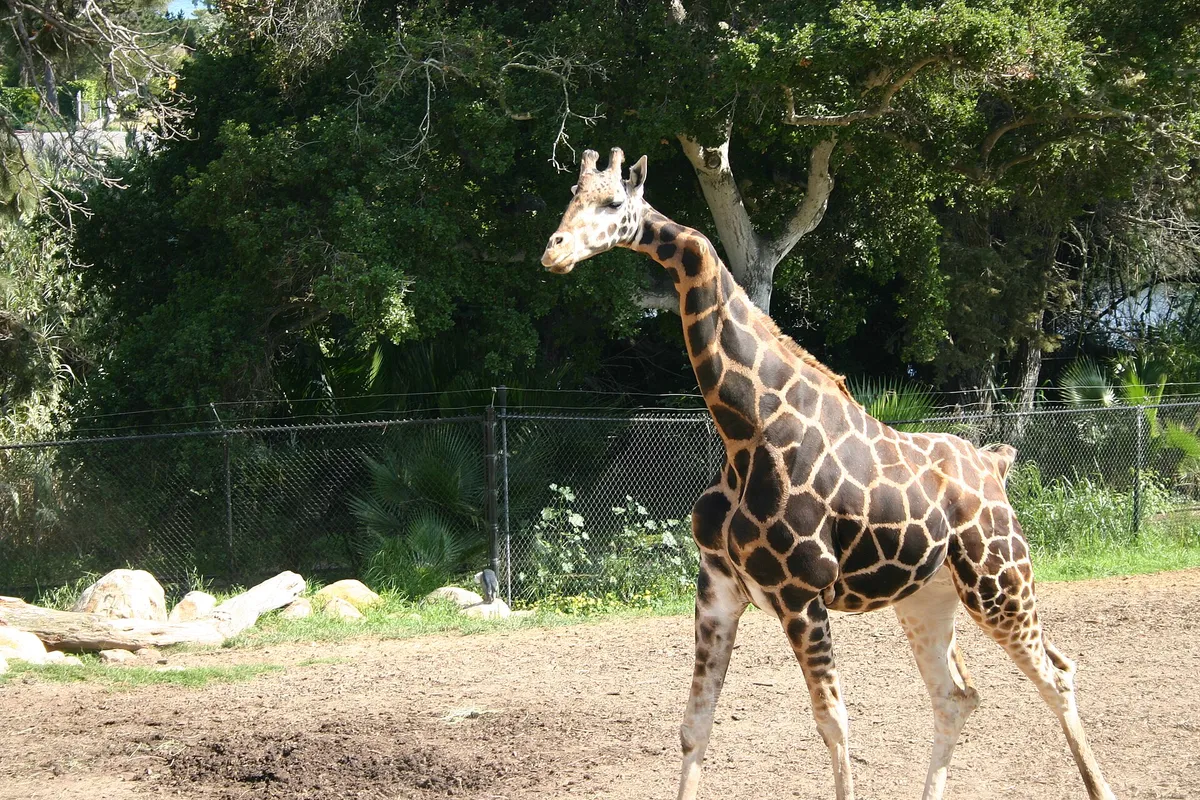 Santa Barbara Zoological Gardens🇺🇸 Santa Barbara, United States
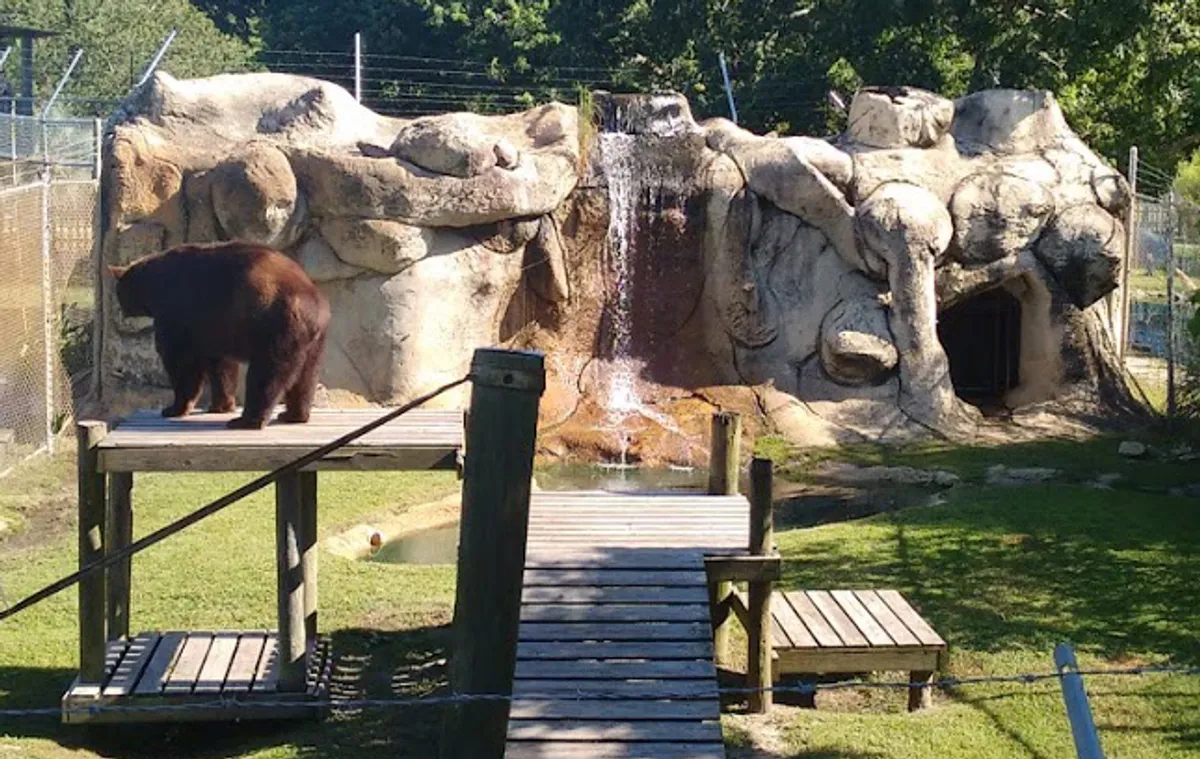 Alabama Gulf Coast Zoo🇺🇸 Gulf Shores, United States
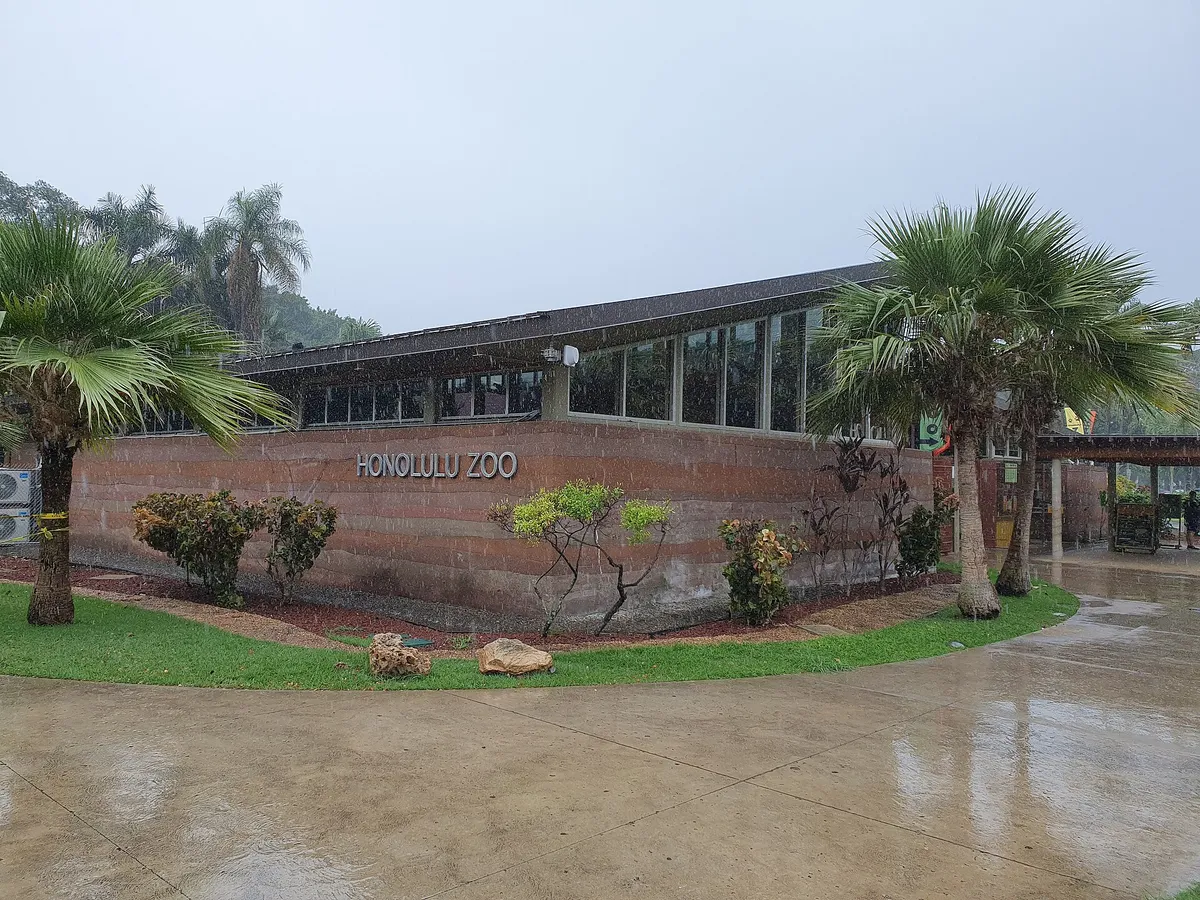 Honolulu Zoo🇺🇸 Honolulu, United States
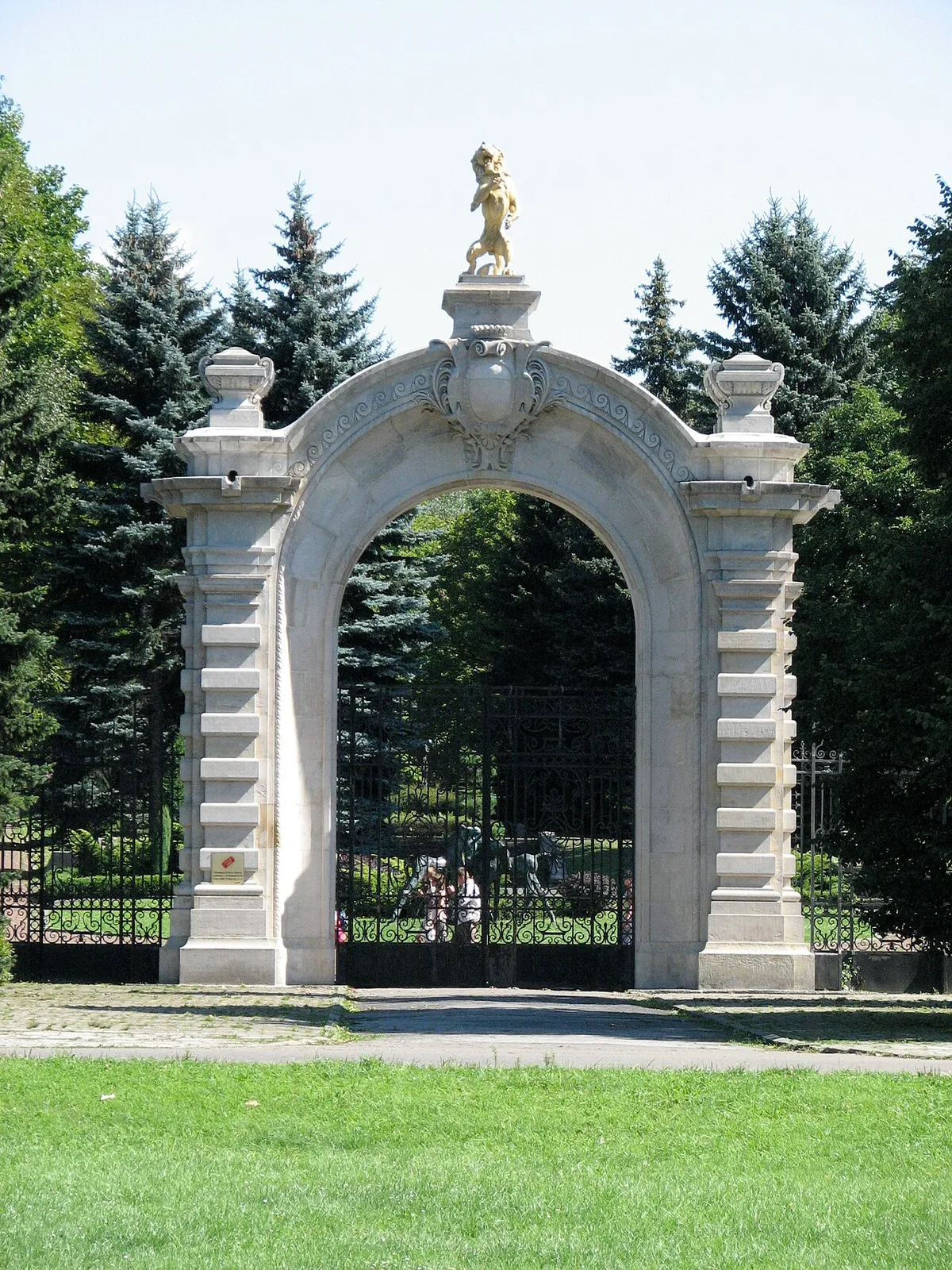 Śląski Ogród Zoologiczny🇵🇱 Chorzów, Poland
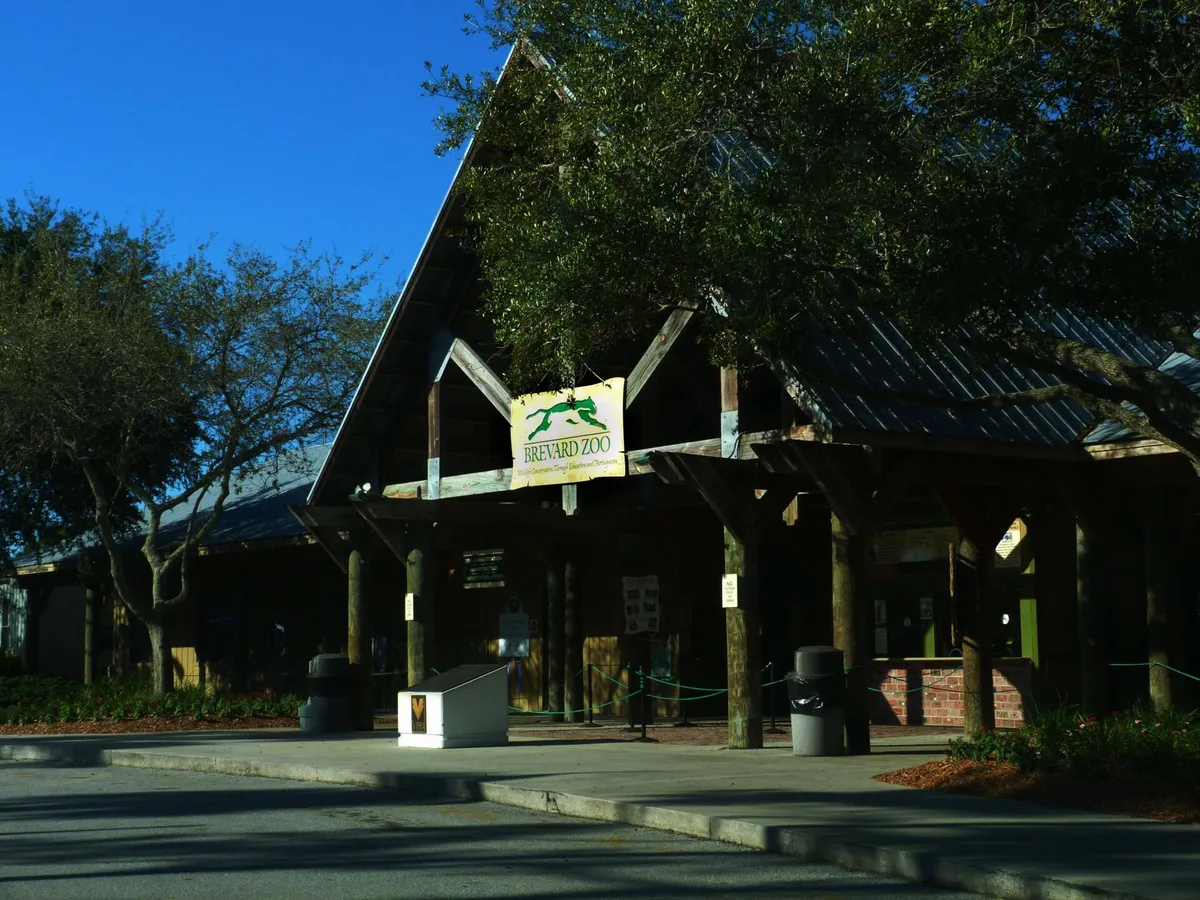 Brevard Zoo🇺🇸 Melbourne, United States
Community notes
Share your observations about the African Spurred Tortoise.
No community notes yet. Be the first!
Discover more wildlife
More fascinating animals from the encyclopedia.