
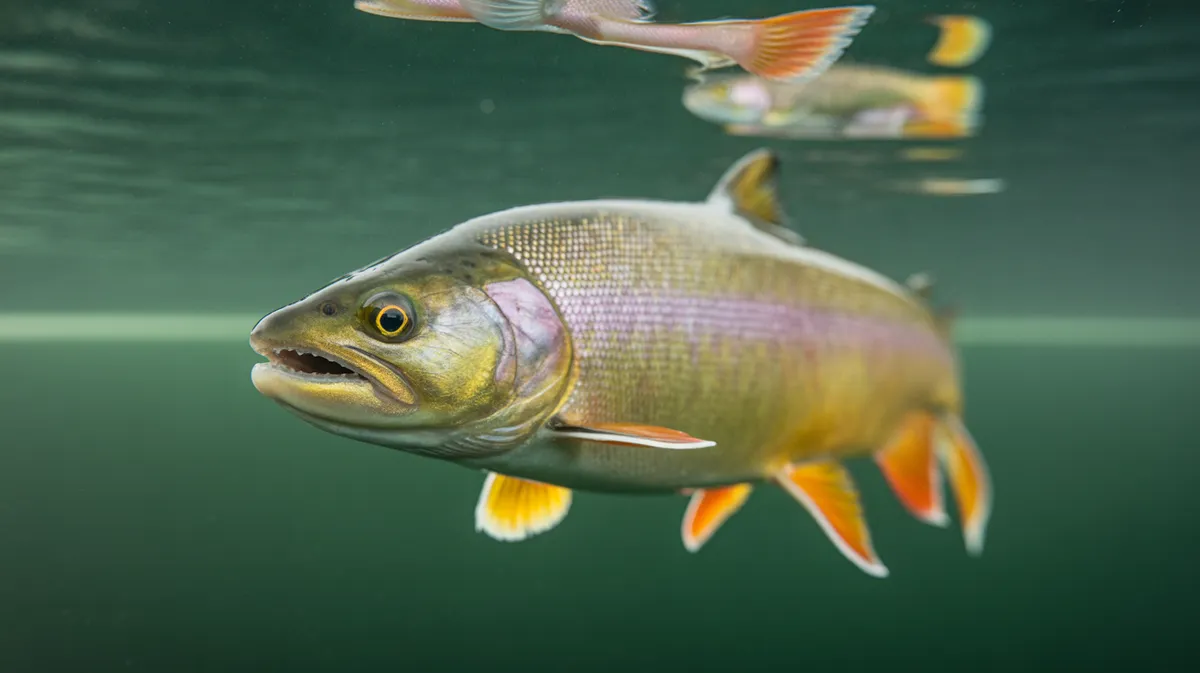
About the Arctic char
The Arctic char is the northernmost freshwater fish in the world, living in lakes above 80 degrees north where the ice never entirely leaves and the growing season is a few weeks long. It is also one of the most variable vertebrates known. A single lake can hold several distinct forms — a small bottom-feeding dwarf, a large fish-eating morph, a plankton-feeder — that differ in shape, size and jaw structure and that breed separately from one another. Thingvallavatn in Iceland, with four coexisting morphs, is a textbook case in the study of how species can split without any physical barrier between them. Some populations run to sea and back like salmon; others are landlocked, and those can grow with glacial slowness and live for forty years. It spawns in autumn or winter, often under ice, which for a fish is a very odd time to breed and only makes sense in water this cold. The spawning colours are extraordinary: the belly turns deep orange to blood-red, and the leading edges of the fins go white.
Fascinating facts
Survives Extreme Cold
Arctic char can withstand water temperatures below 0°C (32°F), thriving in environments many other fish cannot tolerate.
Popular Game Fish
It is highly sought after by anglers for its fight and is also farmed commercially for its mild-tasting flesh.
Colorful Appearance
During the spawning season, males develop vivid red or orange bellies and contrasting white-edged fins.
Detailed description
The Arctic char (Salvelinus alpinus) is a medium-sized salmonid fish, typically reaching lengths of 40–70 cm, though some individuals may exceed 100 cm and weigh over 10 kg in optimal conditions. Its body is streamlined and laterally compressed, with a small, conical head and a slightly forked tail. The coloration of Arctic char is highly variable, ranging from silvery-blue or greenish on the back to bright orange or red on the belly, especially pronounced in spawning males. The species is characterized by light-colored spots on the flanks and a white leading edge on the pectoral, pelvic, and anal fins. Arctic char exhibit remarkable phenotypic plasticity, with populations displaying differences in morphology, coloration, and life history strategies depending on local environmental conditions. They are capable of both anadromous (migrating between fresh and saltwater) and landlocked (entirely freshwater) lifestyles. Arctic char are known for their longevity, with some individuals living over 20 years. Their anatomical adaptations, such as a high fat content and antifreeze glycoproteins in their blood, enable them to survive in waters near freezing. They are opportunistic feeders, and their diet shifts seasonally and with age, encompassing zooplankton, benthic invertebrates, and smaller fish.
Did you know?
Arctic char is the only fish species found as far north as Ellesmere Island, one of the most northerly landmasses on Earth.
Research & sources
Wikipedia summary
The Arctic char or Arctic charr is a cold-water fish in the family Salmonidae, native to alpine lakes, as well as Arctic and subarctic coastal waters in the Holarctic.
Behaviour & social structure
Arctic char display flexible feeding behavior, foraging both during the day and at twilight, depending on prey availability and predation risk. Juveniles primarily consume zooplankton and aquatic insects, while adults expand their diet to include crustaceans, mollusks, and fish such as sticklebacks and smaller char. In anadromous populations, char migrate to the sea during summer to exploit rich marine food resources, returning to freshwater to overwinter and spawn. Social structure varies: in some lakes, char form loose shoals, while in others, they are more solitary, especially during the spawning season when territoriality increases. Aggressive interactions are common among males during breeding, involving displays and physical contests. Arctic char are known to exhibit diel vertical migrations, moving to deeper, cooler waters during the day and ascending at night to feed. This behavior helps them avoid predators and optimize feeding efficiency.
Reproduction & life cycle
Spawning typically occurs from September to November, when water temperatures drop to 4–6°C. Arctic char are iteroparous, meaning they can spawn multiple times throughout their lives. Females select gravel-bottomed areas in shallow streams or lake shores, where they excavate nests (redds) using their tails. After courtship displays, females lay between 1,000 and 7,000 eggs, which are fertilized externally by one or more males. The eggs incubate over winter, hatching in early spring after 4–6 months, depending on temperature. There is no parental care post-spawning; the fry remain in the gravel for several weeks, absorbing their yolk sacs before emerging to begin feeding. Sexual maturity is reached between 4 and 10 years, varying with environmental conditions and population type. In some populations, alternative reproductive tactics such as 'sneaker' males have been observed.
Adaptations & survival
Arctic char possess several adaptations for survival in extreme environments. Their high lipid content provides energy reserves for overwintering and migration. The presence of antifreeze glycoproteins in their blood prevents ice crystal formation, allowing them to inhabit waters near or below freezing. Morphological plasticity enables them to exploit diverse ecological niches, resulting in distinct morphs within the same lake (e.g., benthic vs. pelagic feeders). Their gill rakers and digestive systems are adapted to process a wide range of prey. Behavioral adaptations include flexible migratory strategies—some populations are anadromous, while others are resident—allowing them to exploit variable food resources. Their ability to delay maturation and reproduce multiple times enhances survival in unpredictable environments.
Cultural significance
Arctic char holds significant cultural and nutritional value for Indigenous peoples across the Arctic and sub-Arctic regions, including Inuit and Sámi communities. It is a traditional food source, often consumed fresh, dried, or smoked, and features prominently in local cuisine and seasonal harvest rituals. In Norse mythology and Scandinavian folklore, char are sometimes associated with purity and resilience due to their ability to thrive in harsh environments. The species is also valued in recreational fisheries and increasingly in aquaculture, prized for its delicate flavor and high omega-3 fatty acid content.
Recent research
Recent research has focused on the genetic diversity and adaptive radiation of Arctic char, revealing extensive local adaptation and the presence of sympatric morphs within single lakes. Studies using genomic tools have shed light on the evolutionary history and population structure of the species, informing conservation strategies. Climate change impacts, such as shifts in distribution and phenology, are active areas of investigation. Additionally, research into the physiological mechanisms underlying cold tolerance and antifreeze protein production has broader implications for understanding vertebrate adaptation to extreme environments. Ongoing studies are also examining the effects of aquaculture on wild populations and the potential for sustainable char farming.
Videos
Habitat
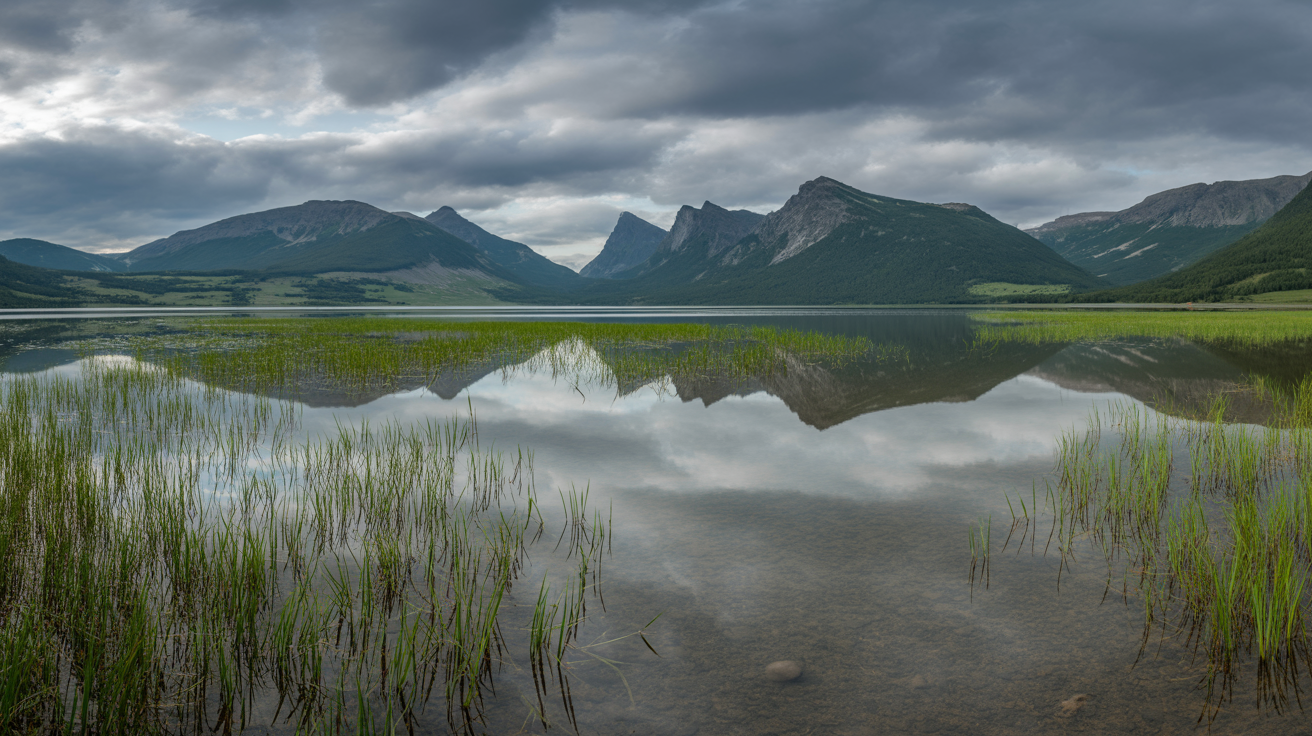
Cold freshwater and coastal marine environments
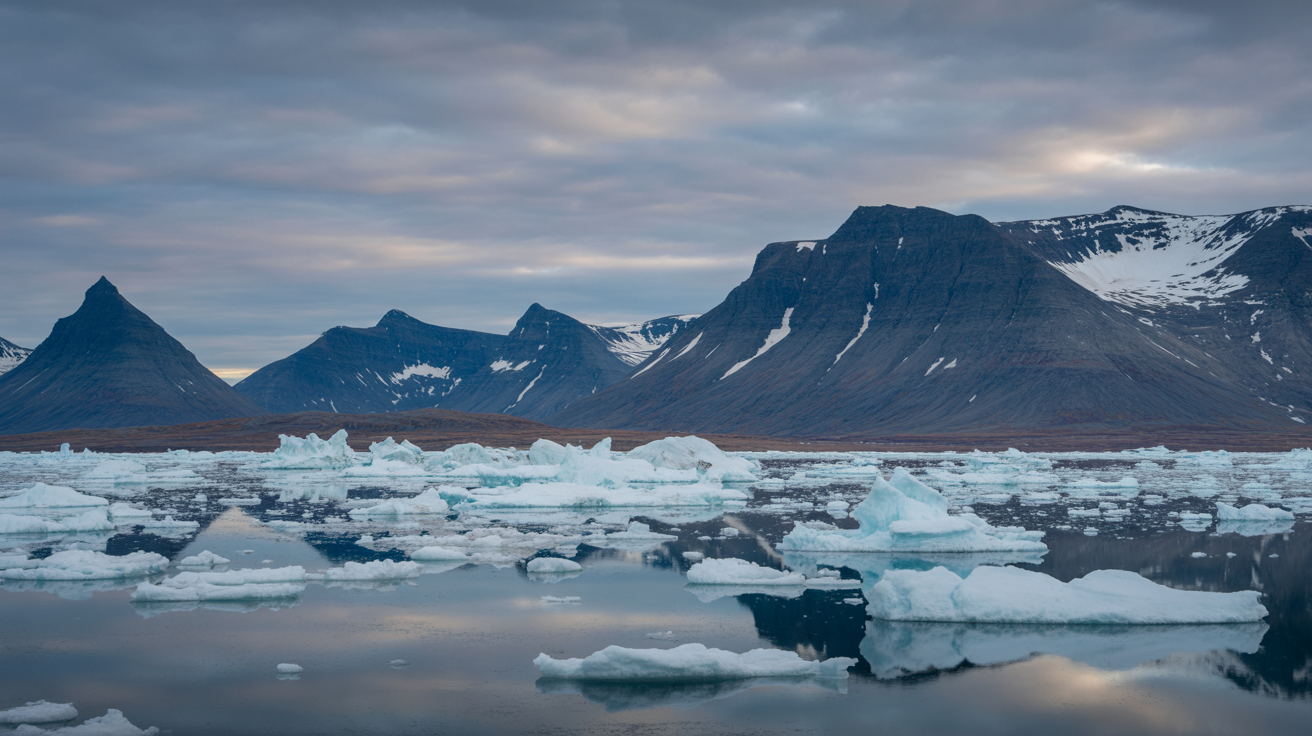 Polar Regions
Arctic
Cold, frozen landscapes around the North Pole with specialized wildlife adapted to extreme cold.
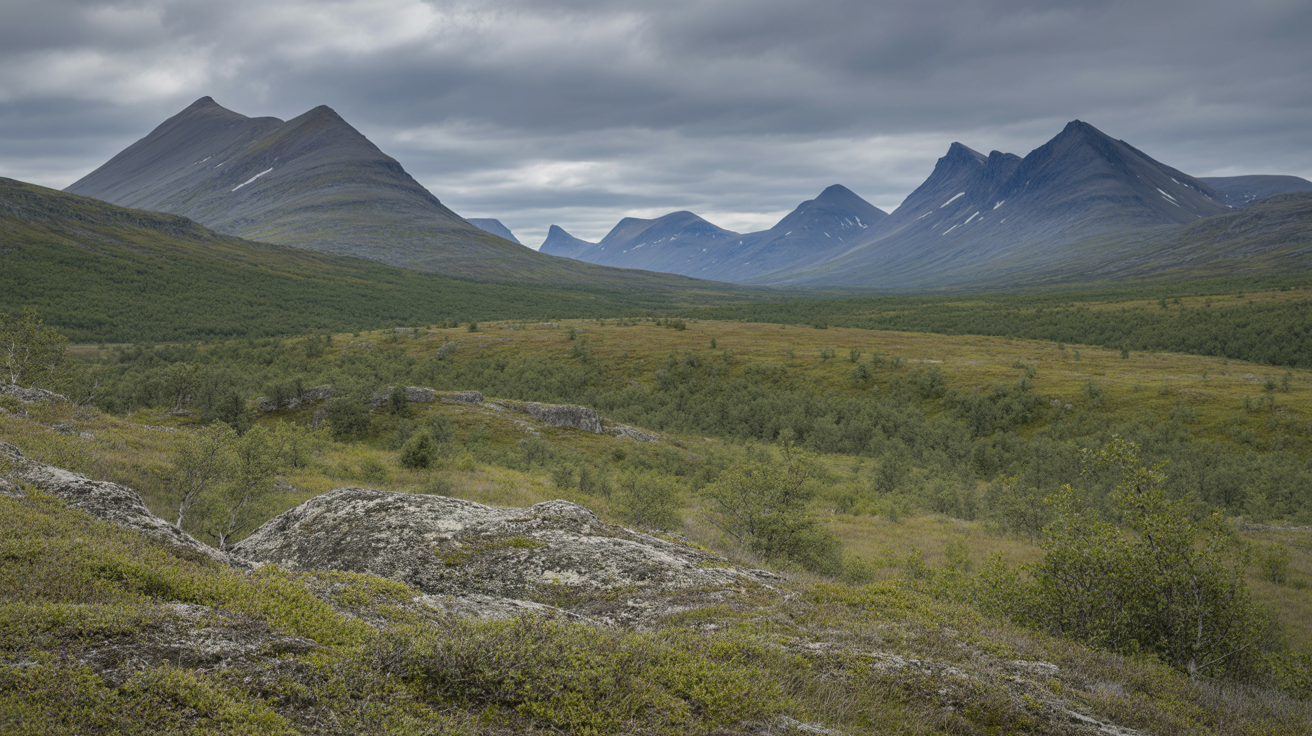 Polar and Subpolar Regions
Tundra
Cold, treeless regions with permafrost supporting specialized cold-adapted wildlife.
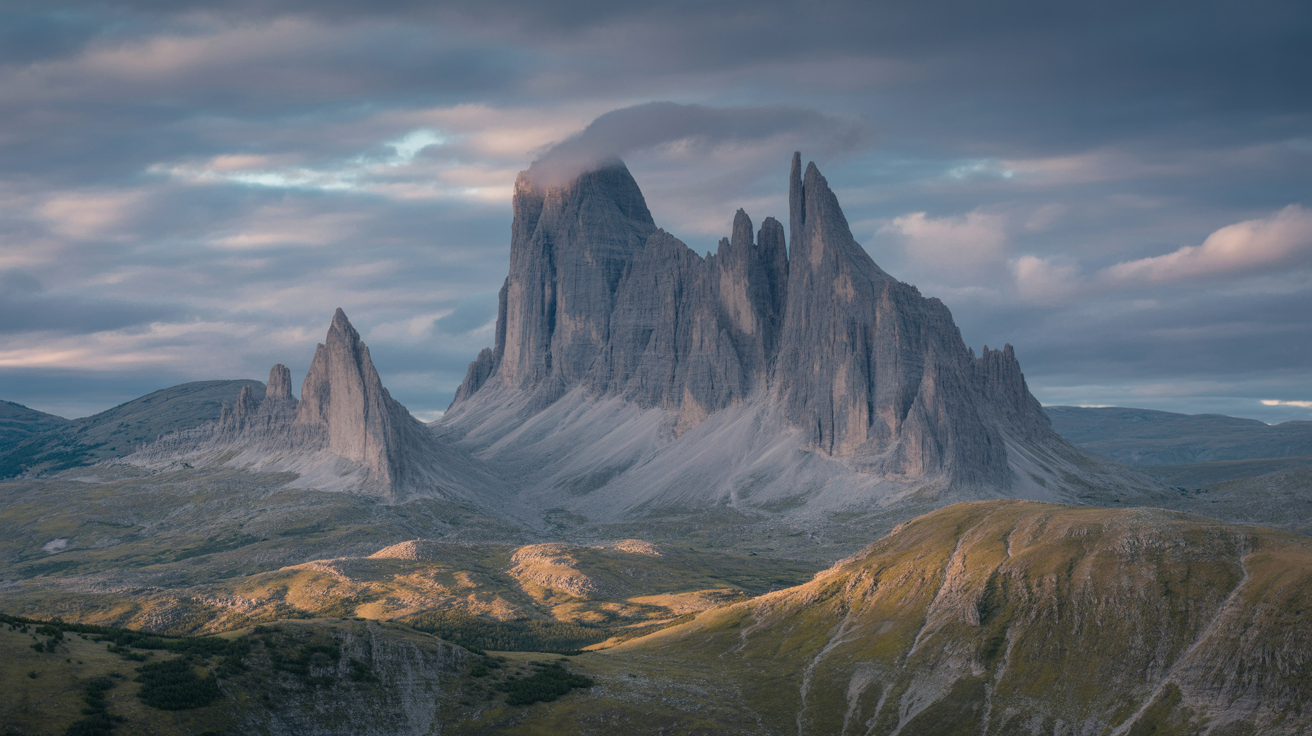 Elevated Terrain
Mountain
High-altitude environments with varying climates and specialized wildlife adapted to rugged terrain and thin air.
 Global
Freshwater
Lakes, rivers, and wetlands with diverse aquatic ecosystems.
Conservation
The Arctic char is currently classified as Least Concern on the IUCN Red List.
Threats & challenges
While the Arctic char is currently listed as Least Concern by the IUCN, localized populations face threats from climate change, overfishing, habitat fragmentation, and competition with introduced species such as lake trout (Salvelinus namaycush). Warming temperatures may reduce suitable cold-water habitats and disrupt spawning cues. Pollution and hydroelectric development can degrade spawning grounds and migration routes. In some regions, overharvesting for commercial and recreational purposes has led to population declines. Genetic introgression from hatchery-reared fish and hybridization with related species may also threaten the genetic integrity of wild populations. Monitoring and adaptive management are essential to ensure the long-term viability of this species.
Taxonomy
Scientific name
Salvelinus alpinus
- Kingdom
- Animalia
- Phylum
- Chordata
- Class
- Actinopterygii
- Order
- Salmoniformes
- Family
- Salmonidae
- Genus
- Salvelinus
- Species
- alpinus
Community notes
Share your observations about the Arctic char.
No community notes yet. Be the first!
Discover more wildlife
More fascinating animals from the encyclopedia.