
About the Dibatag
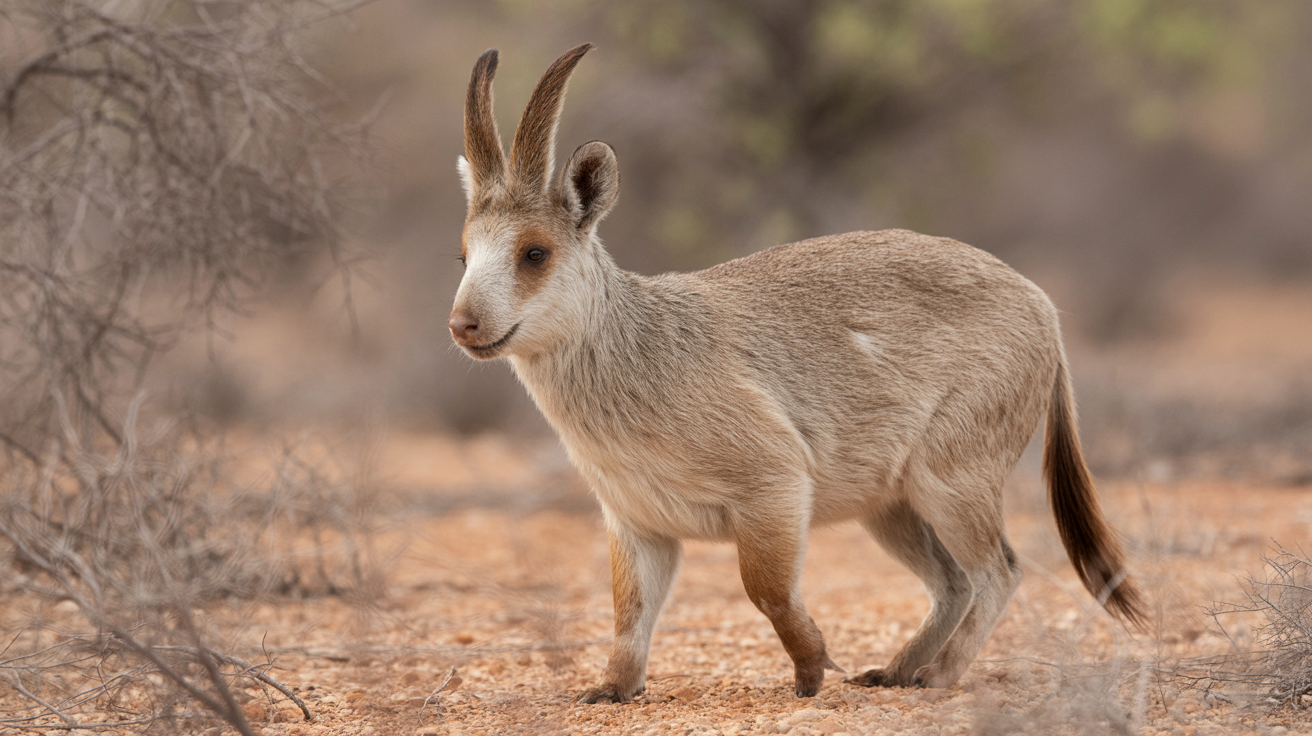
The dibatag is a slender, long-necked antelope native to the arid bushlands of eastern Ethiopia and northern Somalia. Distinguished by its elongated limbs and neck, it possesses a small, delicate head with large eyes and ears, giving it a gazelle-like appearance. Unlike many antelopes, only males have short, slightly curved horns. Dibatags are highly elusive and solitary, making them challenging to observe in the wild. Their unique adaptations allow them to survive in harsh, dry environments where water is scarce.
Fascinating facts
Long-Legged Grace
The dibatag’s long legs and neck help it browse foliage that is out of reach for other antelopes in its habitat.
Desert Survival
Dibatags have adapted to survive in extremely dry environments by getting all their water from food.
Elusive Nature
They are shy and secretive, usually living alone or in pairs, which makes them rarely seen by humans.
Detailed description
The dibatag (Ammodorcas clarkei) is a distinctive antelope characterized by its slender, elongated body and remarkable neck length, which gives it a superficially gazelle-like appearance despite its closer relation to other antelope groups. Adults typically measure 103–117 cm in head-and-body length and stand 80–90 cm at the shoulder, with males weighing 20–35 kg and females 22–29 kg. The species is sexually dimorphic, with only males bearing short, backward-curving horns measuring 10–25 cm. The coat is smooth and short, with upper parts ranging from grayish-fawn to cinnamon or rufous, and sharply contrasting white underparts, rump, and inner legs. The face is marked by subtle dark and pale stripes, but the flanks and buttocks lack distinct markings. Dibatags possess large, mobile ears and prominent eyes, adaptations for heightened vigilance in open habitats. Their legs are long and fine-boned, enhancing agility and speed. The tail is relatively short and bushy. Dibatags are highly elusive, typically solitary or found in pairs, and are known for their secretive, cryptic behavior. Their long necks allow them to browse on leaves and shoots well above the reach of most other antelopes, a trait convergently evolved with the sympatric gerenuk. They are primarily crepuscular, active during the cooler hours of dawn and dusk, and rely on their keen senses to detect predators in the sparse bushland.
Did you know?
Unlike most antelopes, dibatags almost never drink water, relying entirely on the moisture from leaves and shoots.
Research & sources
Wikipedia summary
The dibatag, or Clarke's gazelle, is a medium-sized slender antelope native to Ethiopia and Somalia. Though not a true gazelle, it is similarly marked, with long legs and neck. It is often confused with the gerenuk due to their striking resemblance. The typical head-and-body length is about 103 to 117 cm. They stand up to about 80 to 90 cm. Male dibatag weigh between 20 and 35 kg, whereas females range from 22 and 29 kg. The length of the curved horns, present only on males, is typically between 10 and 25 cm. The upper parts are gray to fawn, while the dorsal and lateral areas are cinnamon to rufous. The underparts, rump and the insides of the legs are all white. While markings are visible on the face, there are none on the flanks or the buttocks.
Behaviour & social structure
Dibatags are predominantly solitary, with occasional sightings of small groups, usually comprising a female and her offspring or a male-female pair during the breeding season. Males are territorial, marking their ranges with glandular secretions and dung piles, and may engage in ritualized displays or low-intensity combat to defend their territories. Feeding behavior is highly specialized; dibatags are browsers, selectively feeding on leaves, buds, shoots, and occasionally flowers from a variety of shrubs and trees, including Commiphora and Acacia species. Their elongated necks and upright, bipedal stance (standing on hind legs) enable them to access higher foliage, reducing competition with other herbivores. Dibatags are extremely wary, relying on stealth and stillness to avoid detection rather than fleeing immediately; when alarmed, they may bound away with a distinctive, springy gait. They are mostly active during early morning and late afternoon, resting in dense cover during the heat of the day. Communication is primarily visual and olfactory, with vocalizations being rare and limited to alarm snorts or calls between mothers and young.
Reproduction & life cycle
The dibatag's breeding season is not strictly defined but is believed to coincide with periods of increased food availability, often following seasonal rains. Males establish and defend territories that attract receptive females. Courtship involves ritualized displays, including neck stretching and scent marking. After mating, the gestation period lasts approximately 6.5 to 7 months (195–210 days), culminating in the birth of a single calf, typically concealed in dense cover for the first few weeks of life. Females exhibit a 'hider' strategy, visiting the calf infrequently to nurse and minimize predator attraction. Weaning occurs at around 3–4 months, with sexual maturity reached at 12–18 months. Reproductive rates are low, with females generally producing one offspring per year, a reflection of the challenging environment and predation pressures.
Adaptations & survival
Dibatags exhibit several remarkable adaptations to arid, resource-scarce environments. Their elongated necks and ability to stand bipedally allow them to exploit food resources inaccessible to most sympatric herbivores. Their kidneys are highly efficient, enabling them to survive on minimal free water by deriving moisture from succulent leaves and dew, and they can go for extended periods without drinking. The cryptic coloration and slender build aid in camouflage among sparse bush and grass. Behavioral adaptations include extreme wariness, solitary habits, and the use of dense thickets for concealment. Their large ears provide acute hearing, essential for early predator detection. The species' low reproductive rate and 'hider' strategy for calves are further adaptations to high predation risk and unpredictable food supply.
Cultural significance
The dibatag holds limited direct cultural significance, largely due to its rarity and secretive nature. It is not a major target for traditional hunting or trade, nor does it feature prominently in local folklore or symbolism. However, it is sometimes referenced in regional natural history and is considered a unique component of the Somali and Ethiopian faunal heritage. Conservation organizations have used the dibatag as a flagship species to highlight the importance of preserving Horn of Africa dryland ecosystems.
Recent research
Recent research has focused on clarifying the dibatag's phylogenetic relationships, confirming that it is not a true gazelle but a distinct lineage within the Antilopini. Advances in non-invasive survey techniques, such as camera trapping and genetic analysis of fecal samples, have improved understanding of its distribution and population status. Ongoing studies are investigating its dietary ecology, habitat preferences, and responses to anthropogenic pressures. Conservationists are calling for transboundary management strategies and community-based conservation initiatives to address habitat loss and promote coexistence with pastoralist communities. The dibatag remains one of the least-studied antelopes, and further ecological and behavioral research is urgently needed.
Videos
Habitat
Arid bushland and dry scrublands
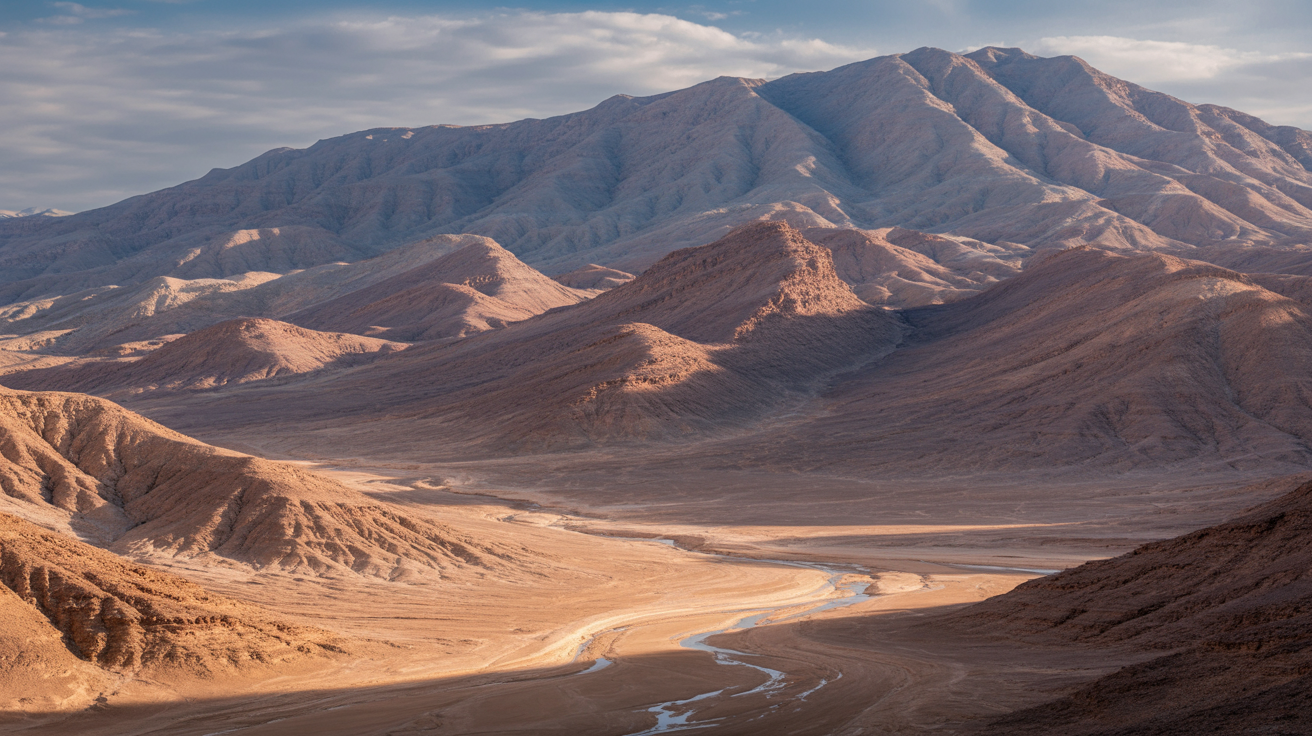 Arid Regions
Desert
Arid lands with minimal rainfall, extreme temperatures, and specialized wildlife adapted to harsh conditions.
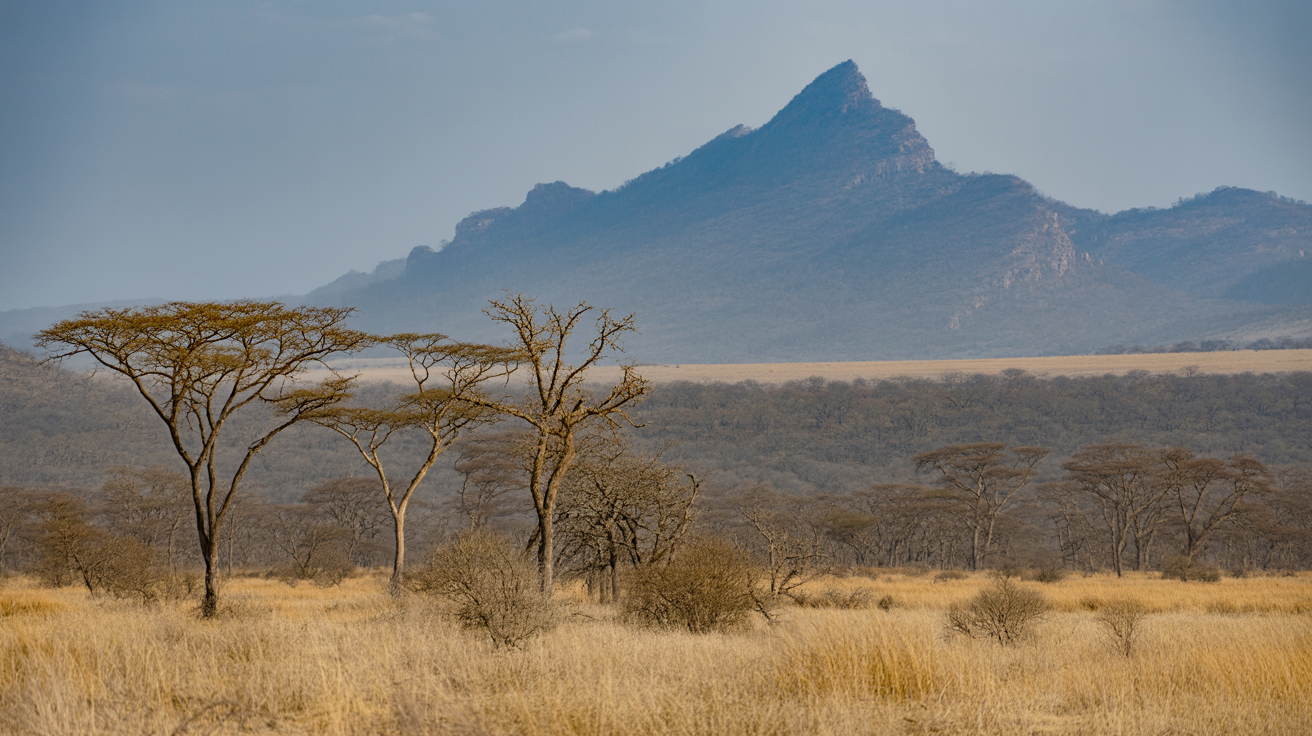 Africa
Savanna
Grasslands with scattered trees, characterized by seasonal rainfall and home to diverse grazing animals and predators.
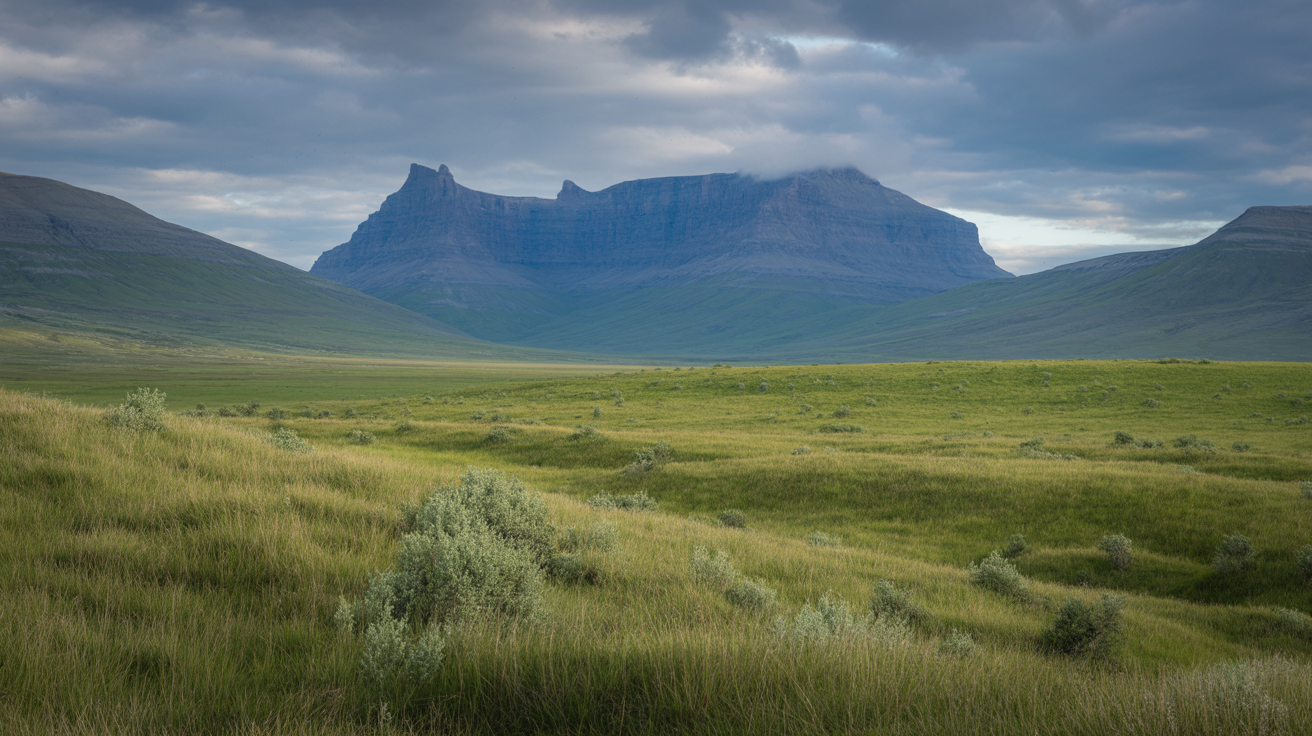 Various Continental Regions
Grassland
Open areas dominated by grasses rather than trees, supporting numerous herbivores and their predators.
Conservation
The Dibatag is currently classified as Endangered on the IUCN Red List.
Threats & challenges
The dibatag faces multiple threats, leading to its current IUCN status as Vulnerable. The primary challenges include habitat loss and fragmentation due to agricultural expansion, overgrazing by livestock, and charcoal production. Hunting for meat and skins, though less common than for some other antelopes, remains a localized threat. Political instability and conflict in its range have hampered conservation efforts and increased human encroachment. The species' naturally low population density and elusive behavior complicate population assessments, but recent surveys suggest a continuing decline, with the global population estimated at fewer than 25,000 mature individuals and possibly much lower. Climate change, leading to increased drought frequency and severity, further exacerbates habitat degradation and resource scarcity.
Taxonomy
Scientific name
Ammodorcas clarkei
- Kingdom
- Animalia
- Phylum
- Chordata
- Class
- Mammalia
- Order
- Artiodactyla
- Family
- Bovidae
- Genus
- Ammodorcas
- Species
- clarkei
Community notes
Share your observations about the Dibatag.
No community notes yet. Be the first!
Discover more wildlife
More fascinating animals from the encyclopedia.