
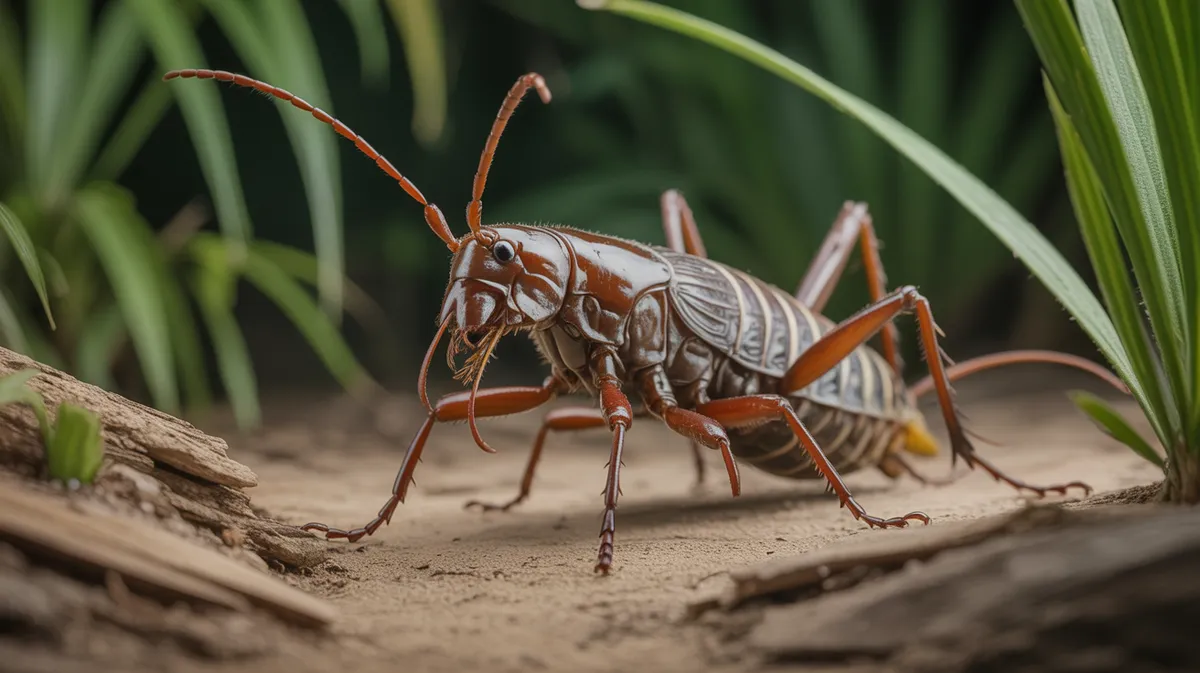
About the Giant Weta
The giant wetas of New Zealand, genus Deinacrida, are flightless, nocturnal, cricket relatives that survived on islands with no land mammals and consequently grew heavy rather than fast. The wetapunga of Little Barrier Island (Deinacrida heteracantha) is the heaviest, with gravid females recorded above 70 g - more than a house sparrow - though most of that mass is eggs, and the record-setting captive specimens were exceptional. They are placid, slow-moving herbivores that browse leaves and fallen fruit, and their defence is not to bite but to rear back, raise their spined hind legs over the body, and rasp them against the abdomen to make a hissing scrape. Wetas breathe through spiracles along the body and, remarkably, can survive being frozen; the alpine species Hemideina maori endures its blood freezing solid and thaws back to life. Rats devastated giant weta populations, and wetapunga were reduced to a single island refuge before translocations to predator-free sanctuaries such as Tiritiri Matangi. Their ecological role is closest to that of a rodent, browsing vegetation and dispersing seeds in a land where rodents never evolved.
Fascinating facts
Nocturnal Giants
Giant weta are mainly active at night, spending the day hiding under logs, rocks, or foliage to avoid predators.
Gentle Herbivores
Despite their fearsome appearance, giant weta feed mostly on plant material such as leaves, fruit, and seeds.
Survival on Islands
Most giant weta species now survive only on offshore New Zealand islands, where invasive predators like rats and stoats have not reached.
Detailed description
Giant wētā (Deinacrida spp.) are among the largest and heaviest insects in the world, with some females reaching up to 70 grams in captivity and body lengths exceeding 7 cm, not including legs and antennae. Their robust, heavily armored exoskeleton is typically brown or mottled, providing camouflage among leaf litter and forest debris. The head is large, bearing powerful mandibles adapted for chewing tough plant material. Antennae are long and sensitive, aiding in navigation and environmental sensing during nocturnal activity. Most species are flightless, with reduced or absent wings, a trait associated with their insular evolution and ground-dwelling habits. Giant wētā are primarily solitary, exhibiting minimal social interaction outside of mating. They are nocturnal, emerging at night to feed and avoid diurnal predators. Their legs are adapted for climbing and jumping, with some species displaying arboreal tendencies. The life cycle includes egg, nymph, and adult stages, with nymphs resembling miniature adults and undergoing multiple molts before reaching maturity. Unique among insects, some species can survive freezing temperatures by producing cryoprotectants, allowing them to inhabit alpine environments.
Did you know?
The heaviest recorded giant weta weighed 71 grams—more than a common house sparrow.
Research & sources
Wikipedia summary
Giant wētā are several species of wētā in the genus Deinacrida of the family Anostostomatidae. Giant wētā are endemic to New Zealand and all but one species are protected by law because they are considered at risk of extinction.
Behaviour & social structure
Giant wētā are generally solitary and display crepuscular to nocturnal activity patterns, remaining hidden during the day under logs, rocks, or dense vegetation. At night, they emerge to forage, feeding primarily on leaves, fruits, flowers, and occasionally small invertebrates. Their feeding behavior is slow and deliberate, using strong mandibles to process fibrous plant material. When threatened, they may freeze, raise their spiny hind legs defensively, or emit rasping sounds by rubbing body parts together (stridulation). Social interactions are limited, with occasional aggressive encounters between males during the breeding season. Some species, such as Deinacrida heteracantha, exhibit site fidelity, returning to the same shelter nightly. Communication is primarily through tactile and chemical cues, as vision is relatively poor.
Reproduction & life cycle
Mating in giant wētā typically occurs during the warmer months (spring to early autumn), with males actively seeking out females using pheromonal cues. Courtship involves antennal contact and sometimes gentle biting. After mating, females lay eggs singly or in small clusters in moist soil or decaying wood, using a specialized ovipositor. The incubation period varies by species and environmental conditions, generally lasting several months. Nymphs hatch as miniature versions of adults and undergo 8–10 molts over 1–2 years before reaching maturity. There is no parental care post-oviposition; eggs and nymphs are left to develop independently. Adult lifespan is typically one to two years, with most individuals breeding only once.
Adaptations & survival
Giant wētā possess several adaptations for survival in New Zealand's unique environments. Their large size and armored exoskeleton offer protection from native predators such as birds and reptiles. Many species have evolved flightlessness, reducing energy expenditure and enhancing survival on isolated islands. Arboreal species have elongated legs and prehensile tarsi for climbing, while alpine species can produce antifreeze proteins to survive subzero temperatures. Their nocturnal habits reduce predation risk and competition for food. Camouflage coloration helps them blend into their surroundings, and their ability to remain motionless when threatened further aids in avoiding detection. The powerful mandibles allow them to exploit a wide range of tough plant materials.
Cultural significance
Giant wētā hold a unique place in New Zealand's natural heritage and are recognized as taonga (treasures) by Māori. They feature in traditional stories and are sometimes seen as symbols of endurance and resilience. The wētā's ancient lineage and distinctive appearance have made them icons of New Zealand's endemic fauna, often used in conservation education and as flagship species for invertebrate protection. While not commonly used in traditional medicine or as food, their presence in folklore and modern conservation campaigns underscores their cultural and ecological importance.
Recent research
Recent research on giant wētā has focused on their genetics, population dynamics, and responses to translocation and predator management. Genomic studies have provided insights into their evolutionary history and adaptation to isolated environments. Behavioral ecology research has examined their nocturnal activity patterns, diet preferences, and habitat use. Conservation biology studies have evaluated the success of reintroduction programs, particularly for Deinacrida heteracantha (wētāpunga) on offshore islands. There is ongoing interest in their physiological adaptations to cold, especially in alpine species like Deinacrida connectens, which can survive freezing conditions. Citizen science and public engagement have contributed valuable data on distribution and population trends.
Videos
Habitat
Forest, grassland, and shrubland, primarily on predator-free offshore islands
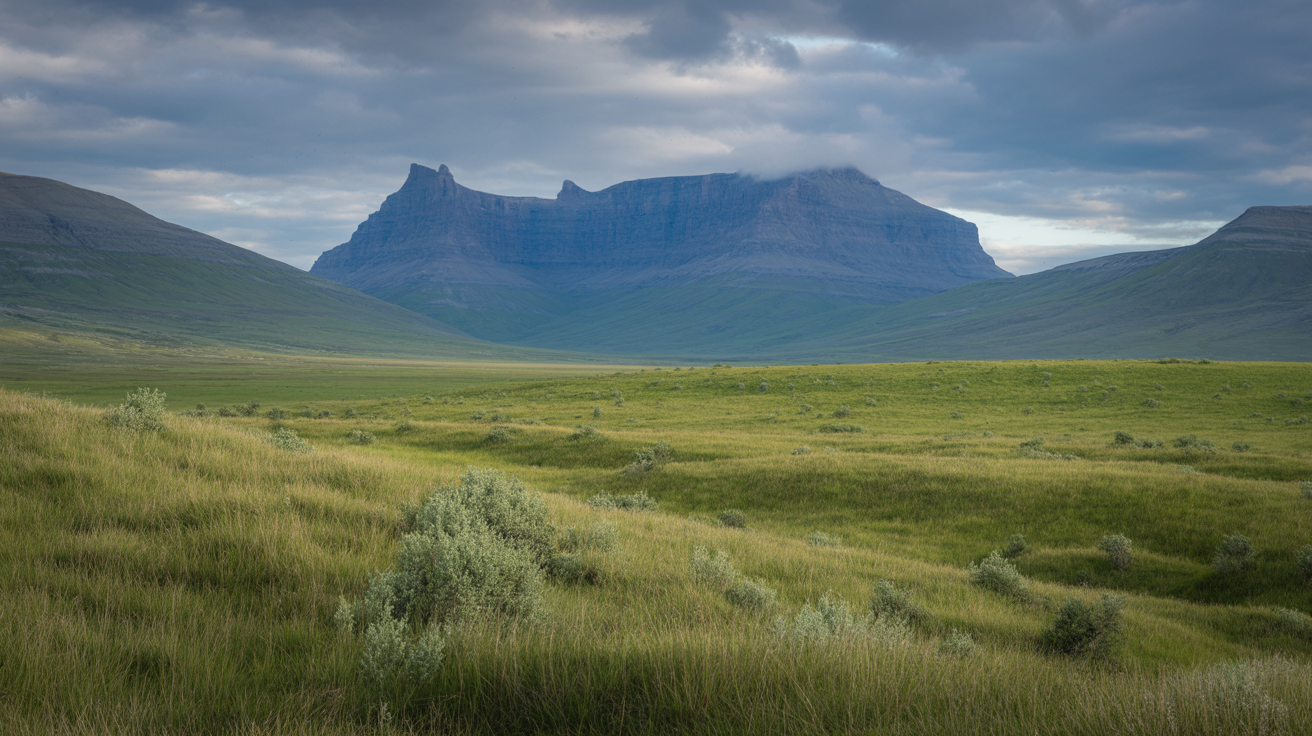 Various Continental Regions
Grassland
Open areas dominated by grasses rather than trees, supporting numerous herbivores and their predators.
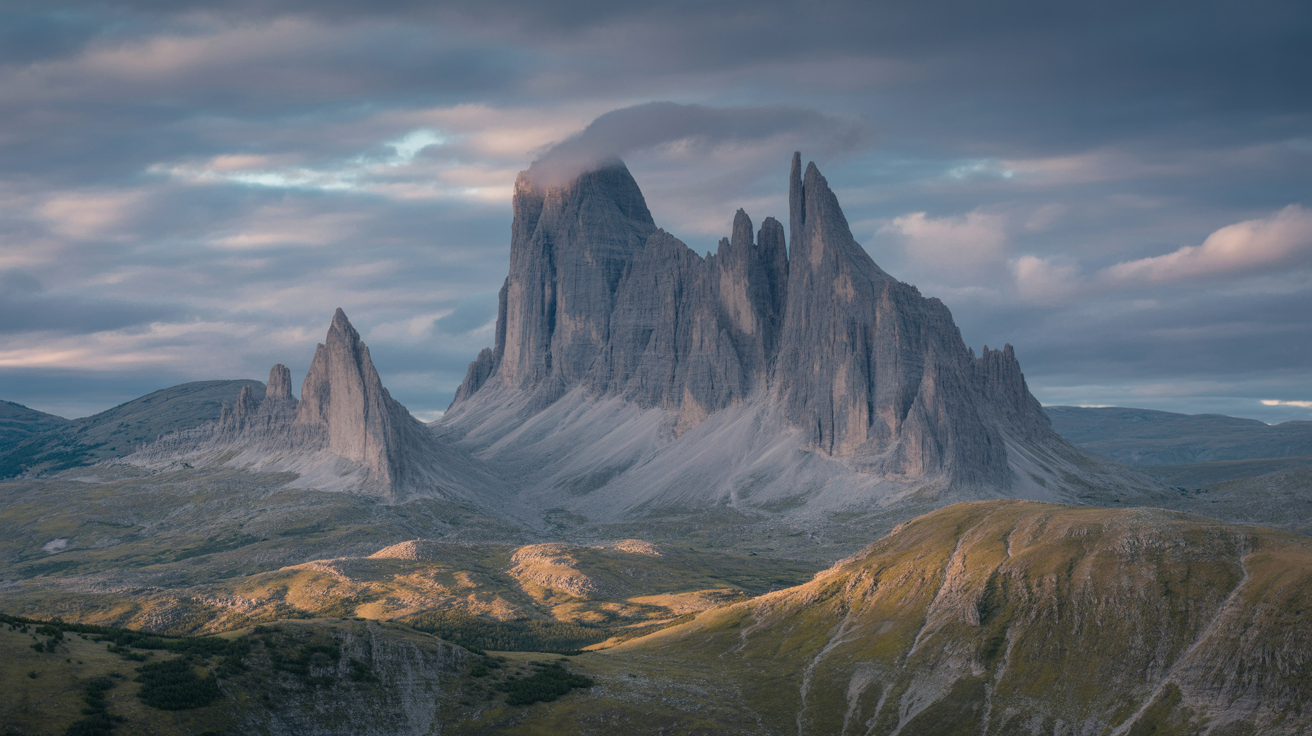 Elevated Terrain
Mountain
High-altitude environments with varying climates and specialized wildlife adapted to rugged terrain and thin air.
 Global
Forest
Wooded areas with significant tree cover and diverse plant and animal communities.
Conservation
The Giant Weta is currently classified as Vulnerable on the IUCN Red List.
Threats & challenges
The primary threats to giant wētā are habitat loss, predation by introduced mammals (rats, stoats, cats), and environmental changes. Most species have experienced significant range contractions and population declines since human settlement and the introduction of mammalian predators. Many now persist only on predator-free offshore islands or in protected reserves. Habitat fragmentation and climate change pose additional challenges, particularly for alpine and specialized forest species. Conservation efforts include translocation to predator-free sites, habitat restoration, and intensive monitoring. Despite these efforts, several species remain at risk, with fluctuating population trends and ongoing vulnerability to re-invasion by predators.
Taxonomy
Scientific name
Deinacrida spp.
- Kingdom
- Animalia
- Phylum
- Arthropoda
- Class
- Insecta
- Order
- Orthoptera
- Family
- Anostostomatidae
- Genus
- Deinacrida
- Species
- spp.
Community notes
Share your observations about the Giant Weta.
No community notes yet. Be the first!
Discover more wildlife
More fascinating animals from the encyclopedia.