
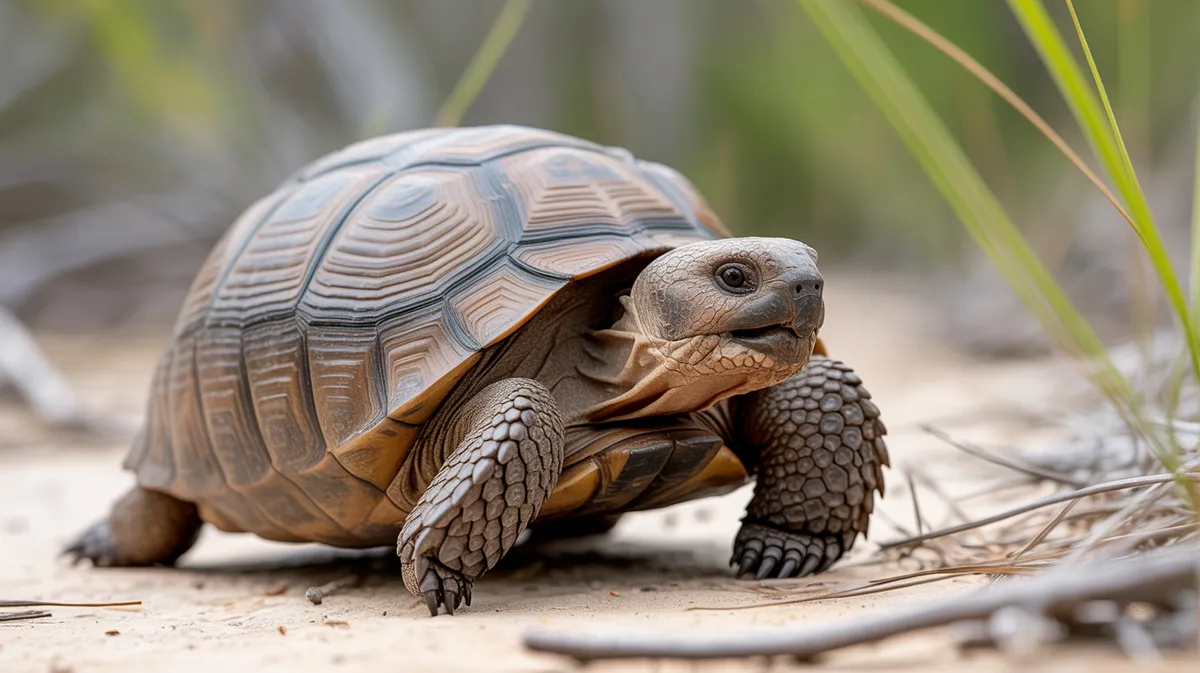
About the Gopher Tortoise
Gopherus polyphemus is the engineer of the longleaf pine sandhills of the southeastern United States, and its importance lies underground. Using shovel-like, flattened forelimbs it excavates burrows averaging 4.5 m long and 2 m deep, sometimes far longer, which hold a stable temperature and humidity year-round. More than 350 other species have been recorded using those burrows - eastern indigo snakes, gopher frogs, burrowing owls, Florida mice, dozens of invertebrates - which makes the tortoise a textbook keystone species: remove it and a whole community of commensals disappears with it. The tortoise itself is a grazer, cropping wiregrass and legumes, and it depends on the open, sunlit understorey maintained by frequent low-intensity fire. Suppress fire and the canopy closes, the forage disappears, and the tortoises starve out. They are slow to mature, taking 10 to 20 years to breed, and lay small clutches of 3 to 15 eggs of which very few survive, so populations recover glacially from losses. Habitat conversion has cut their range hard, and the historical practice of eating them - "Hoover chickens" during the Depression - and of gassing burrows to flush rattlesnakes did further damage.
Fascinating facts
Master Burrowers
Gopher tortoises dig extensive burrows that help regulate temperature and humidity, providing safe refuge from predators and fire.
Strictly Herbivorous
Their diet consists mainly of grasses, legumes, fruits, and other low-growing plants, and they play a role in seed dispersal.
Keystone Species
Over 350 animal species rely on the Gopher tortoise burrows for shelter, including the Eastern indigo snake and gopher frog.
Detailed description
The Gopher Tortoise (Gopherus polyphemus) is a medium-sized terrestrial turtle, typically measuring 23–28 cm (9–11 inches) in carapace length, with some individuals reaching up to 38 cm (15 inches). Its domed, oblong shell is generally brown to grayish, while the plastron is yellowish. The forelimbs are heavily scaled and flattened, perfectly adapted for digging, and the hind limbs are stumpy and elephantine. Gopher tortoises are primarily diurnal and spend much of their lives underground in extensive burrow systems, which can reach depths of up to 3–4.5 meters (10–15 feet) and lengths exceeding 12 meters (40 feet). These burrows provide stable microclimates and protection from predators, fire, and extreme temperatures. The species is solitary but may share burrows with conspecifics or other animals, especially during cold weather. Gopher tortoises have a slow metabolism and can live 40–60 years in the wild, with some individuals exceeding 80 years. Their home ranges are relatively small, typically 1–5 hectares, but males may travel further during the breeding season. The species is sexually dimorphic, with males possessing a concave plastron and longer gular projections. Their role as a keystone species is underscored by the fact that over 350 other animal species, including invertebrates, amphibians, reptiles, birds, and mammals, utilize their burrows for shelter.
Did you know?
Gopher tortoises are considered a keystone species because their burrows are critical to the survival of many other animals in their ecosystem.
Research & sources
Wikipedia summary
The gopher tortoise is a species of tortoise in the family Testudinidae. The species is native to the southeastern United States. The gopher tortoise is seen as a keystone species because it digs burrows that provide shelter for at least 360 other animal species. G. polyphemus is threatened by predation and habitat destruction. Habitat degradation is the primary reason that the gopher tortoise is listed as vulnerable on the IUCN Red List, but they are considered threatened in some states while they are endangered in others.
Behaviour & social structure
Gopher tortoises are primarily herbivorous grazers, feeding on a diverse array of over 300 plant species, including grasses, legumes, broadleaf weeds, and seasonal fruits such as gopher apple and prickly pear cactus. They are most active during the warmer months, foraging in the morning and late afternoon to avoid midday heat. Tortoises exhibit strong site fidelity, often returning to the same burrow or foraging areas. Social interactions are generally limited, though males may engage in combat during the breeding season, using their gular projections to flip rivals. Burrow sharing is common, particularly among juveniles and during cold snaps. They practice behavioral thermoregulation by moving between sun and shade or retreating to their burrows. Gopher tortoises are known to create multiple burrows within their home range, which they use alternately.
Reproduction & life cycle
Breeding occurs from late March through July, with peak activity in April and May. Courtship involves head bobbing, circling, and olfactory cues. Females lay a single clutch per year, typically 5–9 eggs, in a nest chamber dug near the entrance of their burrow. Incubation lasts 80–110 days, with sex determination being temperature-dependent: warmer nest temperatures produce females, cooler temperatures yield males. Hatchlings emerge from August to October and are independent from birth, receiving no parental care. Juvenile mortality is high due to predation by raccoons, skunks, foxes, and fire ants. Sexual maturity is reached at 10–21 years, depending on environmental conditions and resource availability.
Adaptations & survival
Gopher tortoises exhibit several key adaptations for a fossorial lifestyle: their robust, shovel-like forelimbs are specialized for digging, while their streamlined shells allow easy movement within tunnels. Thick, scaly skin protects against abrasion and dehydration. Their low metabolic rate and ability to estivate during droughts or extreme heat help them survive in nutrient-poor, fire-prone habitats. The species has evolved tolerance to periodic wildfires, which maintain the open, sunny environments they require. Their burrows buffer against temperature extremes and provide refuge from predators and fire, making them critical to both their survival and that of many commensal species.
Cultural significance
The gopher tortoise holds ecological and cultural importance in the southeastern United States. It is recognized as the state reptile of Georgia and the state tortoise of Florida. Historically, indigenous peoples and early settlers used tortoise burrows as sources of water and shelter. The species features in local folklore as a symbol of perseverance and resilience. Today, the gopher tortoise is a flagship species for conservation efforts in the longleaf pine ecosystem, raising public awareness about the importance of habitat preservation.
Recent research
Recent research has focused on the genetic diversity and population structure of Gopherus polyphemus, revealing significant genetic differentiation among populations, which has implications for conservation management. Studies using radio telemetry have improved understanding of home range size, movement patterns, and burrow use. Ongoing research is investigating the role of gopher tortoise burrows in supporting biodiversity, including endangered commensal species such as the Eastern Indigo Snake and the Florida Mouse. Conservation genetics, disease ecology (notably upper respiratory tract disease), and the impacts of climate change on sex ratios and habitat suitability are active areas of study.
Sources
Gopher Tortoise (Gopherus polyphemus) Ecology and Conservation
Ashton, R.E. & Ashton, P.S. (2008)
scientificGopherus polyphemus: The IUCN Red List of Threatened Species 2018
IUCN SSC Tortoise and Freshwater Turtle Specialist Group
conservationVideos
Habitat
Longleaf pine forests, sandhills, scrub, coastal dunes, and dry upland habitats
 Arid Regions
Desert
Arid lands with minimal rainfall, extreme temperatures, and specialized wildlife adapted to harsh conditions.
 Africa
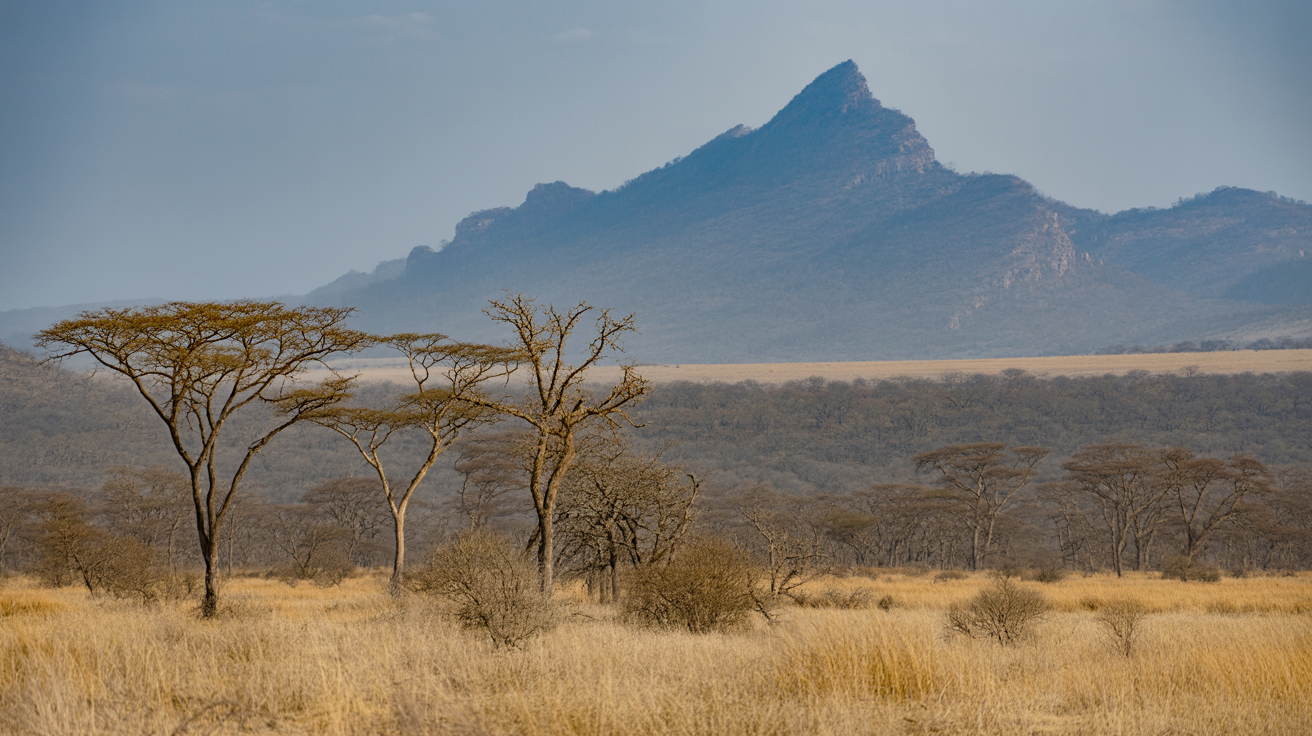
Savanna
Grasslands with scattered trees, characterized by seasonal rainfall and home to diverse grazing animals and predators.
 Various Continental Regions
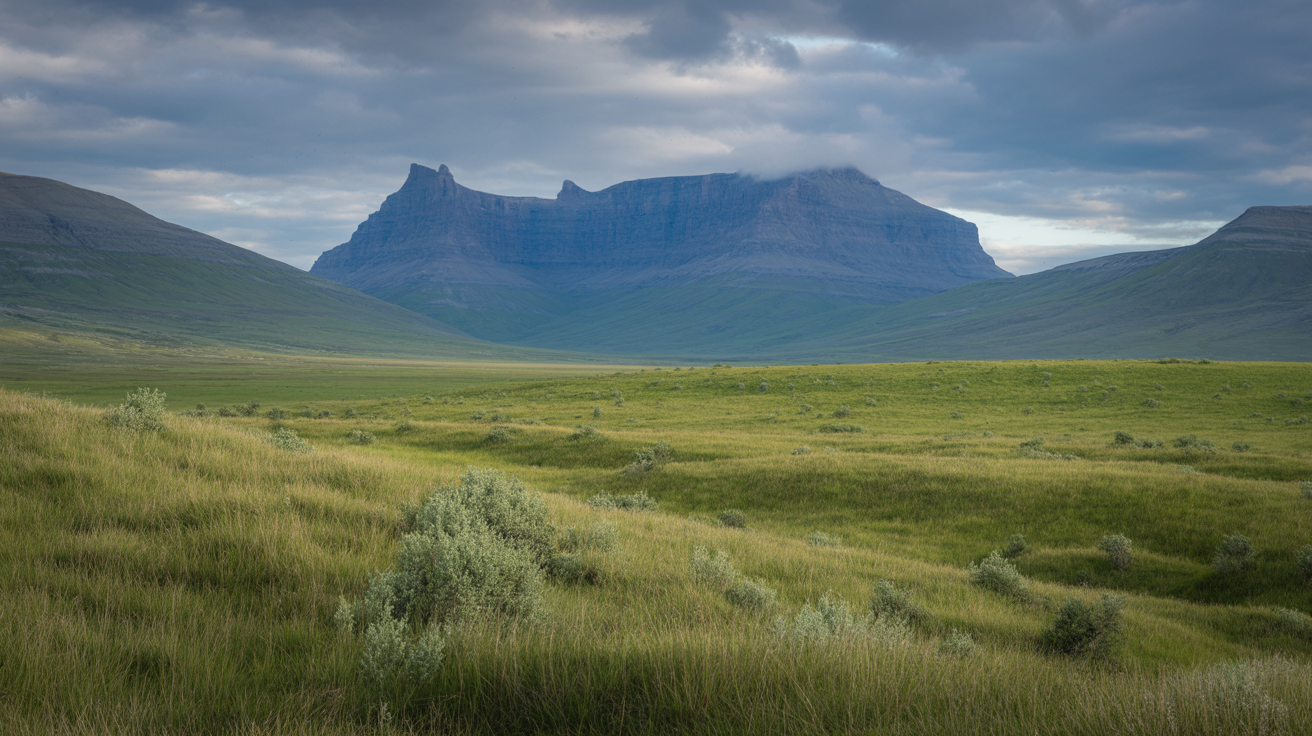
Grassland
Open areas dominated by grasses rather than trees, supporting numerous herbivores and their predators.
 Global
Forest
Wooded areas with significant tree cover and diverse plant and animal communities.
Conservation
The Gopher Tortoise is currently classified as Vulnerable on the IUCN Red List.
Threats & challenges
The primary threats to Gopherus polyphemus are habitat loss, fragmentation, and degradation due to urbanization, agriculture, and silviculture. Fire suppression leads to habitat overgrowth, reducing the open understory they need for foraging and nesting. Road mortality, illegal collection, and predation—particularly of eggs and juveniles—further impact populations. Invasive species such as fire ants increase hatchling mortality. The species is listed as Vulnerable by the IUCN and is federally protected in parts of its range, with varying state-level protections. Conservation challenges include securing and managing large tracts of suitable habitat, restoring natural fire regimes, and mitigating road impacts. Population declines have been significant, with some local extirpations, but targeted conservation efforts have shown positive results in certain areas.
Taxonomy
Scientific name
Gopherus polyphemus
- Kingdom
- Animalia
- Phylum
- Chordata
- Class
- Reptilia
- Order
- Testudines
- Family
- Testudinidae
- Genus
- Gopherus
- Species
- polyphemus
Where to see a gopher tortoise
7 zoos and aquariums in 1 country are recorded as keeping this species.
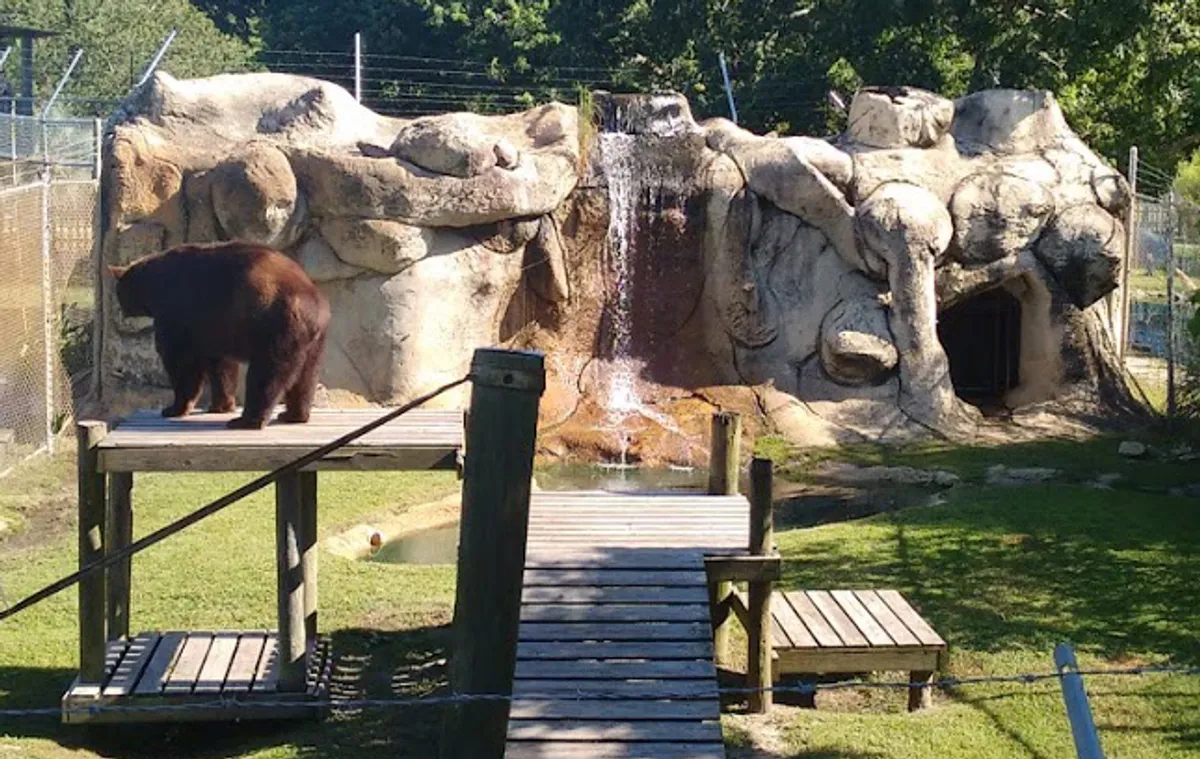 Alabama Gulf Coast Zoo🇺🇸 Gulf Shores, United States
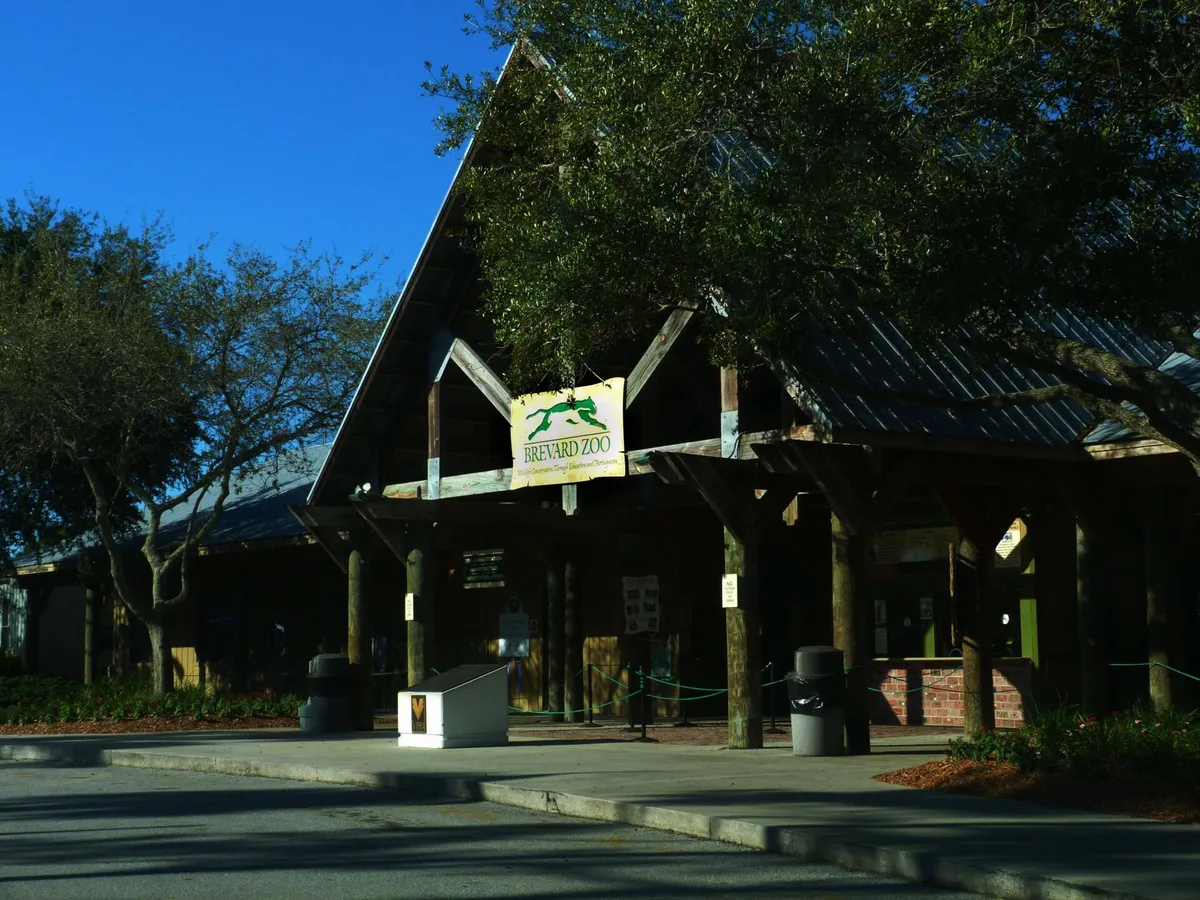 Brevard Zoo🇺🇸 Melbourne, United States
- 🦁The Maryland Zoo in Baltimore🇺🇸 Baltimore, United States
- 🦁Topeka Zoo🇺🇸 Topeka, United States
 Birmingham Zoo🇺🇸 United States
Community notes
Share your observations about the Gopher Tortoise.
No community notes yet. Be the first!
Discover more wildlife
More fascinating animals from the encyclopedia.