
About the Kissing Bug
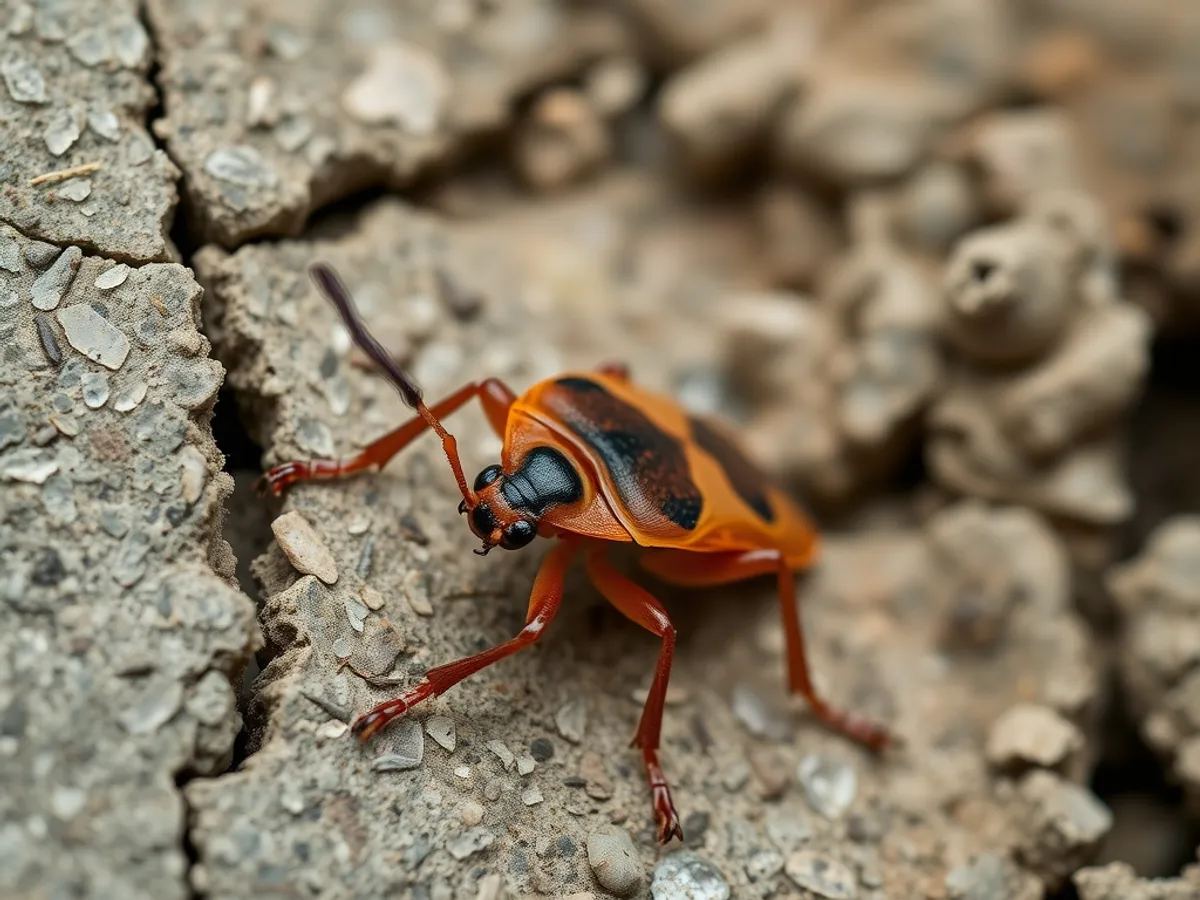
Kissing bugs (subfamily Triatominae) are blood-feeding true bugs of the Americas that get their gentle name from a nasty habit: they feed at night on sleeping people, often around the lips and eyes where the skin is thin, and their saliva contains anaesthetics so the victim usually does not wake. The bug is the vector for Chagas disease, caused by the protozoan Trypanosoma cruzi, which infects an estimated six to seven million people. Crucially, the parasite is not injected in the bite. The bug defecates while or immediately after feeding, and the parasite is in the faeces; infection happens when the sleeping person scratches the itchy bite and rubs the contaminated droppings into the wound or into the eye. Chagas is often silent for decades and then destroys the heart or gut - it is a leading cause of infectious heart disease in Latin America. Transmission is tied to poor housing: the bugs hide in cracks in adobe walls and thatched roofs, so improving houses is one of the most effective interventions. Charles Darwin was bitten by "the great black bug of the Pampas" in Argentina in 1835 and described it in his diary; whether Chagas caused his lifelong ill health remains a genuinely open historical debate.
Fascinating facts
Disease Vector
Kissing Bugs are the primary insect vector for Chagas disease, which affects millions of people in Latin America.
Nocturnal Feeders
These bugs are active mainly at night, seeking out warm-blooded hosts while they sleep.
Domestic Habitats
Kissing Bugs often live in close association with humans, hiding in cracks, crevices, and roofs of poorly constructed homes.
Detailed description
Triatoma infestans, commonly known as the Kissing Bug, is a medium to large-sized hematophagous insect, typically measuring 20–28 mm in length. Its body is elongated and dorsoventrally flattened, with a distinctive dark brown to black coloration and orange-red lateral markings on the abdomen. The head is conical, equipped with long, slender antennae and a prominent, three-segmented proboscis adapted for piercing skin and blood-feeding. The wings are well-developed, allowing for short flights, though this species is primarily a poor flier and relies on crawling to locate hosts. Nocturnal in habit, T. infestans emerges at night to feed on the blood of mammals, birds, and occasionally reptiles, with a strong preference for humans and domestic animals. During the day, it hides in cracks, crevices, thatched roofs, and animal nests, exhibiting a cryptic lifestyle. The species is gregarious, with nymphs and adults often aggregating in sheltered sites, which facilitates mating and increases survival. Reproduction occurs year-round in favorable conditions, with females laying clusters of eggs in hidden locations. Unique among triatomines, T. infestans displays a high degree of domesticity, thriving in human dwellings and contributing to its role as the principal vector of Chagas disease in the Southern Cone of South America.
Did you know?
Kissing Bugs transmit Chagas disease not through their bite, but via their feces, which can enter the body through the bite wound or mucous membranes.
Research & sources
Wikipedia summary
The members of the Triatominae, a subfamily of the Reduviidae, are also known as conenose bugs, kissing bugs, or vampire bugs. Other local names for them used in the Americas include barbeiros, vinchucas, pitos, chipos and chinches. Most of the 130 or more species of this subfamily feed on vertebrate blood; a very small portion of species feed on invertebrates. They are mainly found and widespread in the Americas, with a few species present in Asia and Africa. These bugs usually share shelter with nesting vertebrates, from which they suck blood. In areas where Chagas disease occurs, all triatomine species are potential vectors of the Chagas disease parasite Trypanosoma cruzi, but only those species that are well adapted to living with humans are considered important vectors. Also, proteins released from their bites have been known to induce anaphylaxis in sensitive and sensitized individuals.
Behaviour & social structure
Triatoma infestans is primarily nocturnal, with peak activity occurring shortly after dusk. It is attracted to hosts by detecting carbon dioxide, body heat, and kairomones. The bug typically feeds for 10–30 minutes, often targeting exposed skin around the face, especially the lips and eyes, hence the name 'kissing bug.' Feeding is generally painless due to anesthetic compounds in its saliva, but the bite site may become swollen or itchy. After engorgement, the bug often defecates near the feeding site, which is a critical behavior for the transmission of Trypanosoma cruzi. Socially, T. infestans exhibits aggregation behavior, with individuals clustering in sheltered microhabitats, which may provide thermoregulation and protection from desiccation. While not eusocial, some chemical communication occurs via aggregation pheromones. The species is opportunistic in its choice of hosts, feeding on a wide range of vertebrates, but shows strong synanthropy (association with human environments).
Reproduction & life cycle
Mating in Triatoma infestans is promiscuous, with both sexes mating multiple times. Courtship is minimal; males mount females and copulation lasts several minutes. Females begin oviposition within days of a blood meal, laying 1–3 eggs per day and up to 200–300 eggs over their lifetime. Eggs are oval, approximately 1.5 mm in length, and are deposited in cracks and crevices. Incubation lasts 10–30 days depending on temperature and humidity. The life cycle includes five nymphal instars, each requiring a blood meal to molt. Development from egg to adult typically takes 4–24 months, influenced by environmental conditions and food availability. There is no parental care; nymphs are independent upon hatching. Breeding occurs year-round in warm climates, but may be seasonal in cooler regions.
Adaptations & survival
Triatoma infestans has evolved several adaptations for hematophagy and survival in domestic environments. Its elongated proboscis allows deep penetration of host skin and efficient blood extraction. Salivary secretions contain anticoagulants, vasodilators, and anesthetics, facilitating painless feeding and prolonged attachment. The flattened body enables the bug to hide in narrow crevices, while dark coloration provides camouflage. Aggregation behavior reduces water loss and predation risk. The species exhibits remarkable resistance to starvation, with adults surviving up to 6 months without feeding. Behavioral plasticity allows adaptation to a variety of microhabitats, from rural adobe homes to animal shelters. Its ability to exploit human dwellings has driven its evolutionary success as a vector.
Cultural significance
Triatoma infestans has a prominent place in the folklore and daily life of rural South America. Known locally as 'vinchuca' in Argentina and Bolivia, and 'barbeiro' in Brazil, it is often associated with poverty and substandard housing. The bug is a symbol of Chagas disease, which has shaped public health campaigns and rural development policies. In some regions, traditional remedies are used to treat bites, and the insect is the subject of cautionary tales. Its presence in homes is often a source of anxiety due to the risk of disease.
Recent research
Recent research has focused on the genomics of T. infestans, revealing genes associated with insecticide resistance and host-seeking behavior. Studies have documented the emergence of pyrethroid-resistant populations, complicating control efforts. Advances in understanding the bug's microbiome and salivary proteins have implications for vaccine and diagnostic development. Ecological studies have mapped the shifting distribution of T. infestans in response to climate change and urbanization. Ongoing research is exploring the potential for biological control using natural predators or entomopathogenic fungi.
Videos
Habitat
Human dwellings, cracks in walls, animal burrows, and nests
 Africa
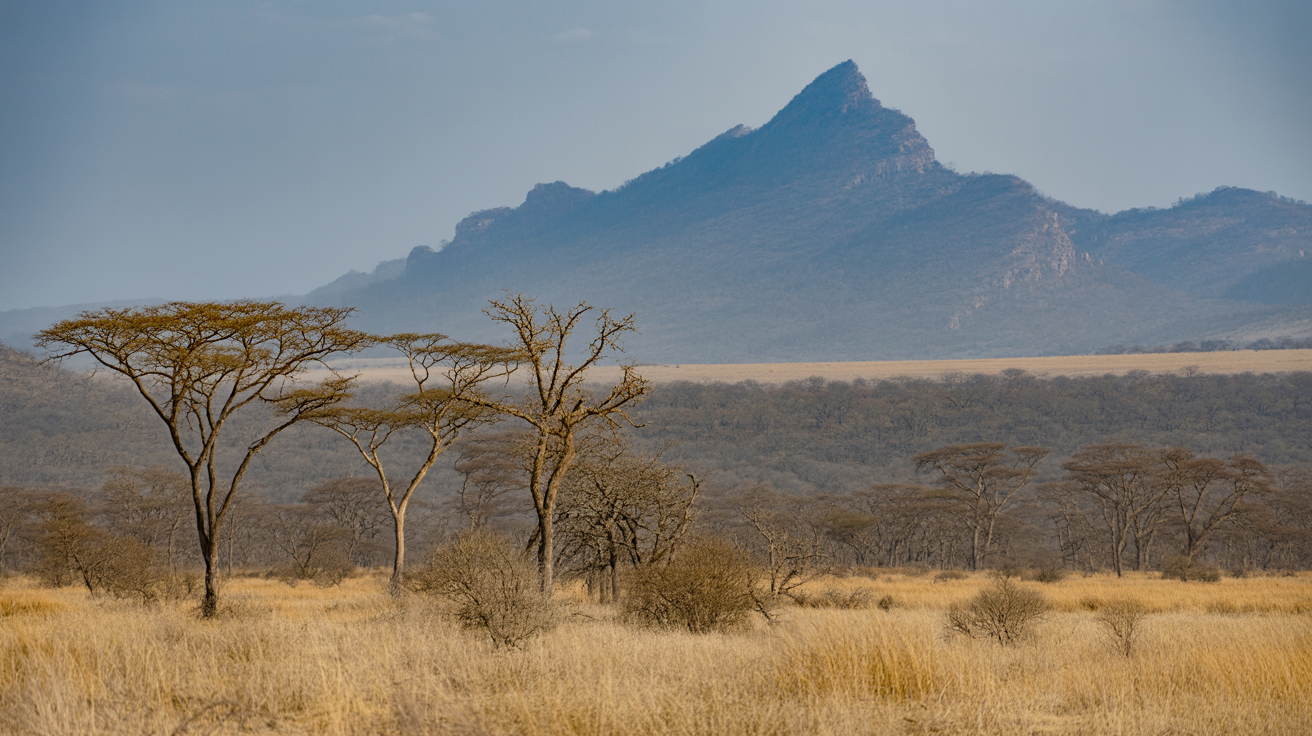
Savanna
Grasslands with scattered trees, characterized by seasonal rainfall and home to diverse grazing animals and predators.
 Various Continental Regions
Grassland
Open areas dominated by grasses rather than trees, supporting numerous herbivores and their predators.
 Global
Forest
Wooded areas with significant tree cover and diverse plant and animal communities.
Conservation
The Kissing Bug is currently classified as Least Concern on the IUCN Red List.
Threats & challenges
While Triatoma infestans is classified as Least Concern globally, localized populations face challenges from vector control programs, particularly in southern South America where intensive insecticide spraying has dramatically reduced its range. However, reinfestation from sylvatic (wild) populations and insecticide resistance pose ongoing challenges. Habitat modification, improved housing, and urbanization have reduced suitable refuges in some areas, but poor rural housing continues to support populations. Climate change may alter its distribution, potentially expanding its range into new areas. Human health impact remains significant due to its role in Chagas disease transmission.
Taxonomy
Scientific name
Triatoma infestans
- Kingdom
- Animalia
- Phylum
- Arthropoda
- Class
- Insecta
- Order
- Hemiptera
- Family
- Reduviidae
- Genus
- Triatoma
- Species
- infestans
Community notes
Share your observations about the Kissing Bug.
No community notes yet. Be the first!
Discover more wildlife
More fascinating animals from the encyclopedia.