
About the Klipspringer
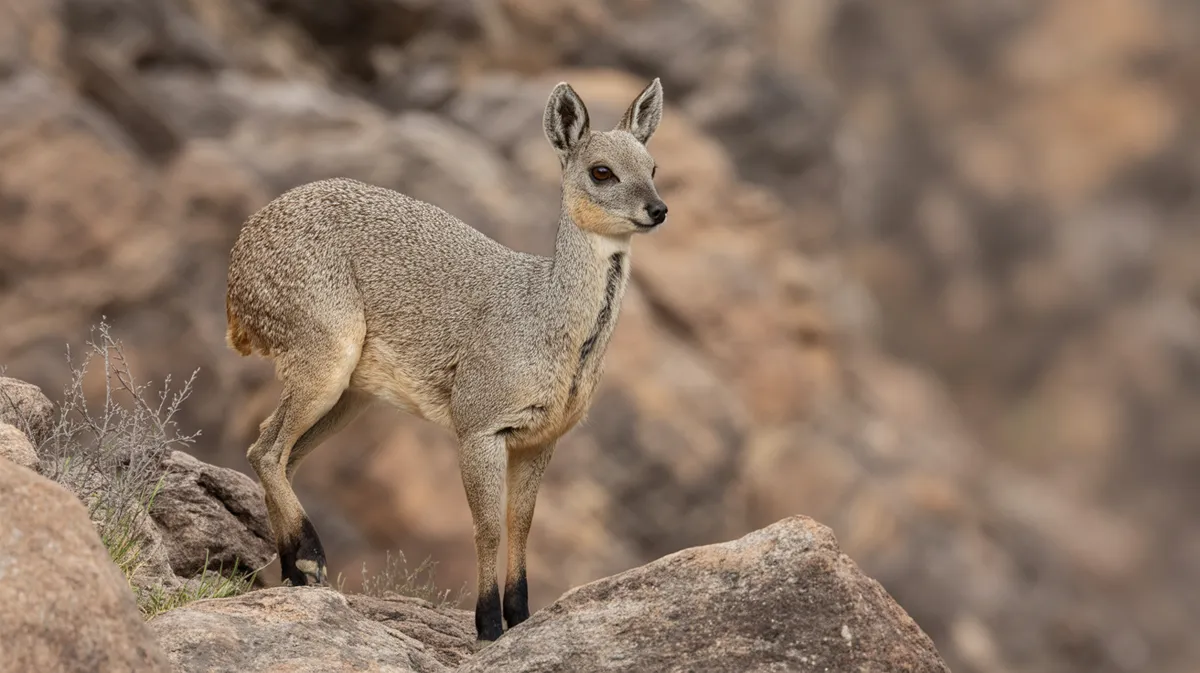
Oreotragus oreotragus is a small antelope, barely 60 cm at the shoulder, that lives on cliffs, boulder fields and rock kopjes across eastern and southern Africa, and it walks on the very tips of its hooves - the hoof is cylindrical and blunt-ended, and the animal balances on a contact patch about the size of a coin, gripping rock like a rubber-tipped stilt. That anatomy lets it stand on a ledge the width of a matchbox and bound between boulders with total confidence. Its coat is equally specialised: the hairs are thick, hollow, brittle and lie loosely, so the animal is insulated against rock that bakes by day and freezes at night, and the shafts snap off easily, which may help it slip a predator's grip. The hollow hair also cushions falls. Klipspringers form strictly monogamous pairs that stay within a few metres of each other for years, and one animal almost always stands sentry on a high rock while the other feeds - a real division of labour, and a reason they are so often seen posed on a skyline. Both sexes have prominent preorbital glands, and pairs deposit sticky black secretions on twigs to mark boundaries.
Fascinating facts
Rock-Hopping Experts
Klipspringers have specialized hooves with rubbery centers that allow them to securely grip and leap across steep, rocky surfaces.
Lifelong Partners
They live in monogamous pairs, with both partners defending their territory and taking turns keeping watch for predators.
Waterless Survival
Klipspringers rarely drink water, obtaining almost all their moisture from succulent plants and dew.
Detailed description
The klipspringer (Oreotragus oreotragus) is a diminutive, robust antelope uniquely adapted to life on rocky outcrops and mountainous terrain across sub-Saharan Africa. Adults typically stand 43–60 cm at the shoulder and weigh between 8 and 18 kg, with males and females similar in size, though only males possess the short, straight horns (7.5–9 cm). Its dense, coarse coat—comprised of hollow, brittle hairs—ranges from yellowish-gray to reddish-brown, providing both thermal insulation and effective camouflage against lichen-covered rocks. The klipspringer’s most distinctive anatomical feature is its cylindrical, rubbery hooves, which allow it to stand and leap on the very tips, maximizing grip and agility on steep, uneven surfaces. The body is compact with powerful hindquarters, facilitating vertical leaps of over 2 meters. Klipspringers are primarily crepuscular, exhibiting peak activity at dawn and dusk, and are highly territorial, living in monogamous pairs or small family groups. Their large, mobile ears and excellent eyesight enable early detection of predators. Communication includes a variety of whistles and scent-marking behaviors. The species is solitary in feeding but maintains close visual contact with mates, often with one acting as a sentinel while the other forages. Klipspringers are highly water-independent, deriving moisture from succulent plants and dew, and rarely, if ever, drink free-standing water.
Did you know?
Klipspringers are one of the very few antelope species that mate for life, typically living in monogamous pairs.
Research & sources
Wikipedia summary
The klipspringer is a small antelope found in eastern and southern Africa. The sole member of its genus and subfamily/tribe, the klipspringer was first described by German zoologist Eberhard August Wilhelm von Zimmermann in 1783. The klipspringer is a small, sturdy antelope; it reaches 43–60 centimetres at the shoulder and weighs from 8 to 18 kilograms. The coat of the klipspringer, yellowish gray to reddish brown, acts as an efficient camouflage in its rocky habitat. Unlike most other antelopes, the klipspringer has a thick and coarse coat with hollow, brittle hairs. The horns, short and spiky, typically measure 7.5–9 cm.
Behaviour & social structure
Klipspringers are vigilant and wary, spending much of their time perched on elevated rocks, scanning for predators such as leopards, caracals, and eagles. They are territorial, with pairs defending exclusive home ranges (typically 7–49 hectares) using dung middens and glandular scent marks. Social structure is centered around monogamous pairs, occasionally accompanied by a juvenile offspring. While foraging, one individual often stands guard, emitting sharp alarm whistles if danger is detected. Feeding occurs on a variety of tough, fibrous vegetation, including forbs, young shoots, fruits, and succulents, with a preference for plants growing in rocky microhabitats. Klipspringers are mostly crepuscular but may be active during the day in cooler weather. They exhibit remarkable agility, able to bound up near-vertical rock faces and leap across wide chasms, using their specialized hooves for traction. Rest periods are spent in shaded crevices or under overhangs, and they are rarely found far from rocky refuges.
Reproduction & life cycle
Klipspringers are seasonally polyestrous, with breeding often timed to local rainfall patterns, resulting in births peaking at the onset of the wet season. Courtship involves mutual grooming and close following, with males displaying increased vigilance. After a gestation period of approximately 214 days (about 7 months), females give birth to a single precocial calf, typically concealed in dense vegetation or rock crevices for the first two months of life. During this period, the mother visits the hidden calf only briefly to nurse, minimizing predator attraction. Weaning occurs at 4–5 months, and juveniles remain with parents for up to a year before dispersing. Both parents participate in territorial defense, but maternal care is predominant. Sexual maturity is reached at 12–18 months.
Adaptations & survival
Klipspringers exhibit several remarkable adaptations for their rocky niche. Their cylindrical, rubbery hooves have a reduced contact surface, allowing them to balance on the smallest rock ledges and minimizing slipping. The hollow, brittle hair insulates against temperature extremes and cushions impacts from falls. Their compact, muscular build enhances jumping power and agility, while large eyes and ears provide acute sensory perception. Water independence is achieved through a diet rich in succulents and dew-laden plants, reducing the need to visit water sources and thus exposure to predators. Behavioral adaptations include sentinel duty, cryptic coloration, and the use of rocky refuges for escape and concealment.
Cultural significance
The klipspringer holds modest cultural significance in southern Africa, often appearing in local folklore as a symbol of agility and sure-footedness. Its name, derived from Afrikaans and Dutch for 'rock jumper,' reflects its remarkable locomotion. In some traditional societies, klipspringer skins were prized for their durability and used in ceremonial garments or as protective amulets. However, the species is not a major focus of mythology or widespread traditional use compared to larger antelopes.
Recent research
Recent research has focused on klipspringer population genetics, revealing significant subspecies differentiation across its range, which has implications for conservation management. Studies of hoof morphology using high-speed videography have elucidated the biomechanics of their unique tip-toe locomotion. Ongoing ecological research investigates their role as indicators of rocky outcrop ecosystem health and their responses to habitat fragmentation. Behavioral studies continue to explore the dynamics of pair bonding and territoriality, while camera trap surveys are refining population estimates in remote habitats.
Videos
Habitat
Rocky hills and mountainous outcrops
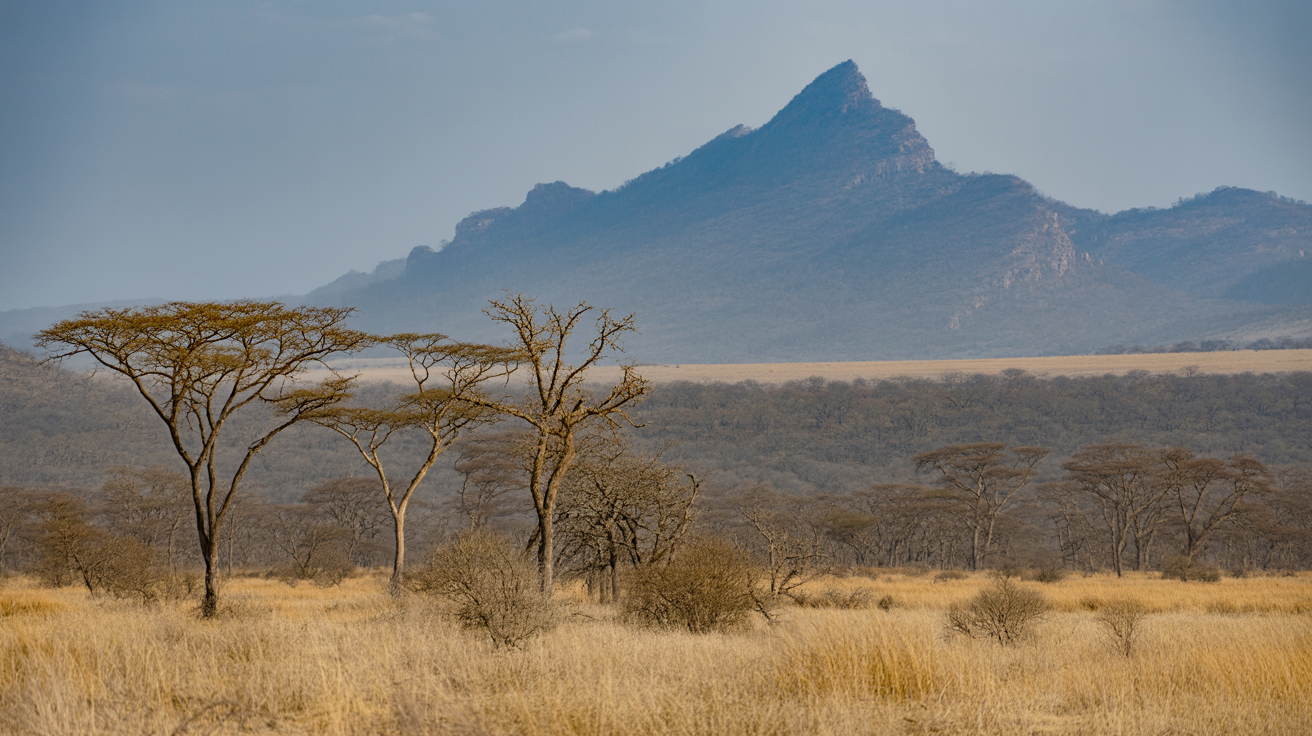 Africa
Savanna
Grasslands with scattered trees, characterized by seasonal rainfall and home to diverse grazing animals and predators.
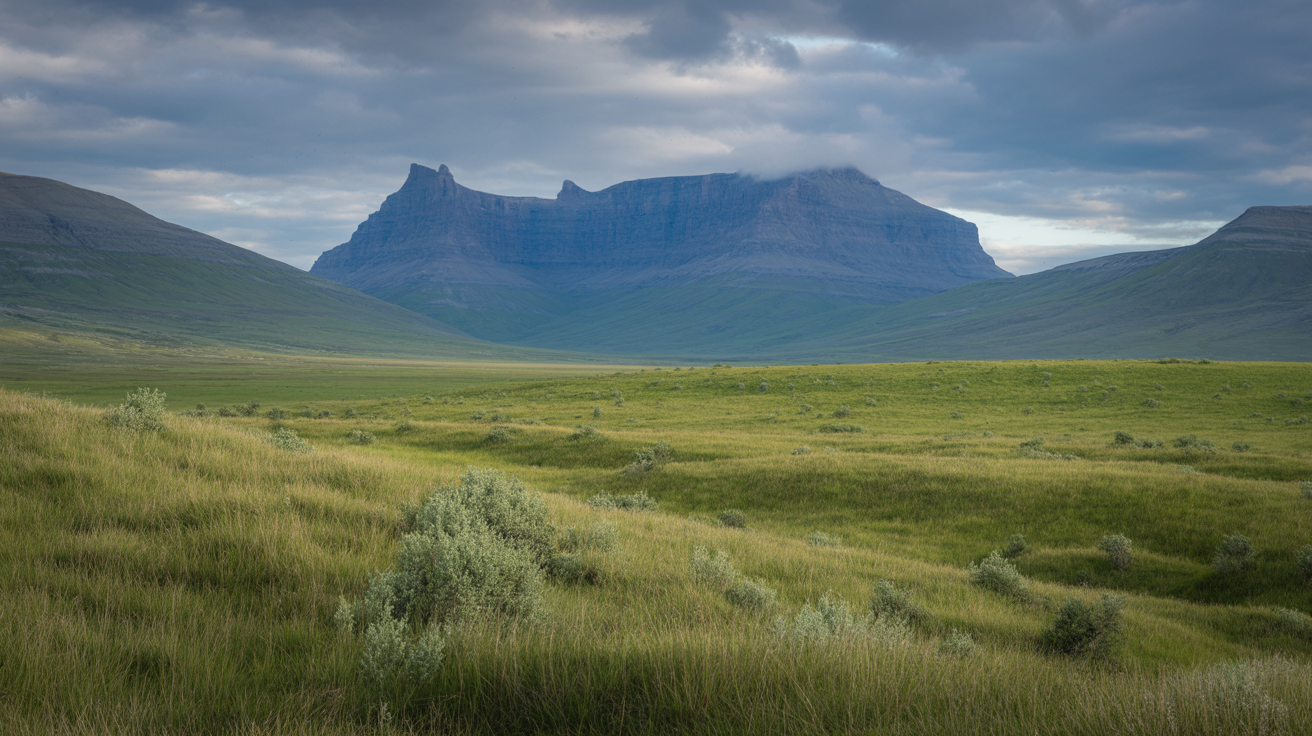 Various Continental Regions
Grassland
Open areas dominated by grasses rather than trees, supporting numerous herbivores and their predators.
 Elevated Terrain
Mountain
High-altitude environments with varying climates and specialized wildlife adapted to rugged terrain and thin air.
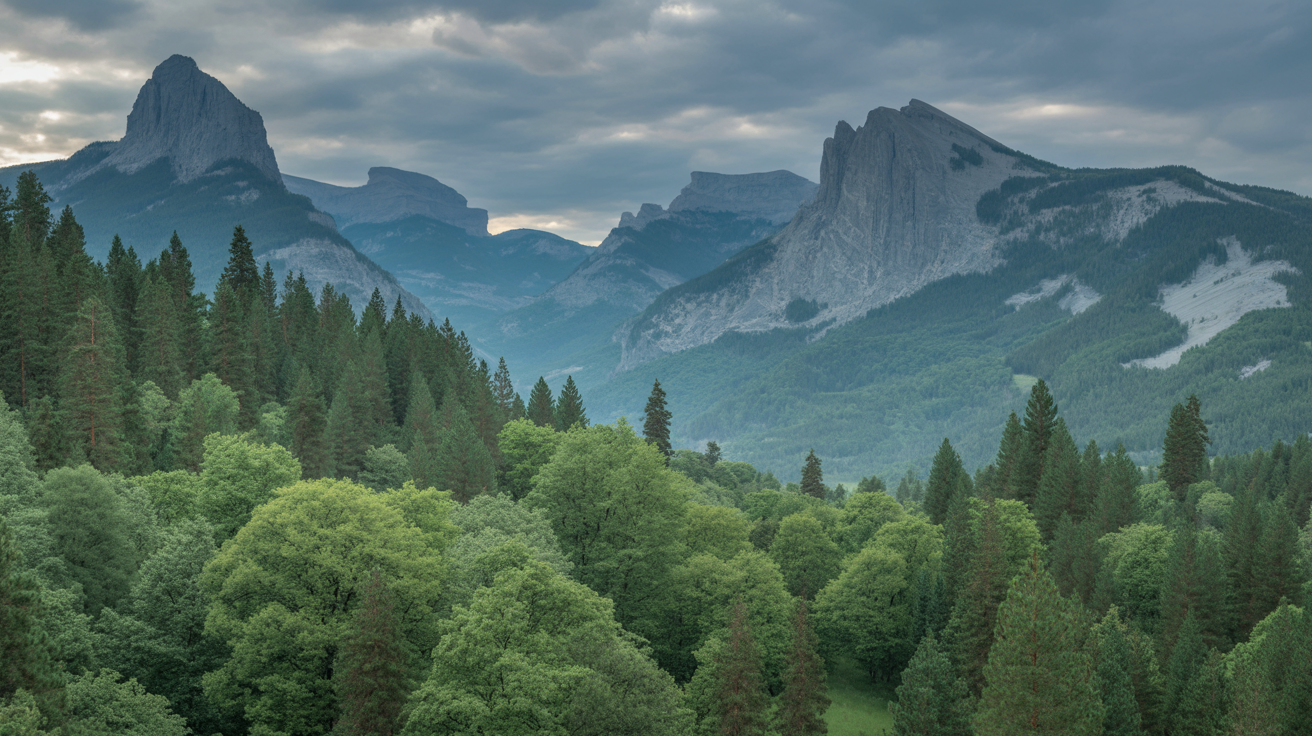 Global
Forest
Wooded areas with significant tree cover and diverse plant and animal communities.
Conservation
The Klipspringer is currently classified as Least Concern on the IUCN Red List.
Threats & challenges
While the klipspringer is currently classified as Least Concern by the IUCN, localized threats persist. Habitat fragmentation due to quarrying, mining, and expanding agriculture reduces available rocky refuges. In some regions, hunting for meat or traditional medicine poses a risk, though their inaccessible habitats offer some protection. Predation by leopards, caracals, and large raptors remains a natural challenge, particularly for juveniles. Climate change may alter vegetation patterns and water availability, potentially impacting food resources. Population trends are stable in protected areas but may be declining in unprotected regions subject to human encroachment.
Taxonomy
Scientific name
Oreotragus oreotragus
- Kingdom
- Animalia
- Phylum
- Chordata
- Class
- Mammalia
- Order
- Artiodactyla
- Family
- Bovidae
- Genus
- Oreotragus
- Species
- oreotragus
Where to see a klipspringer
7 zoos and aquariums in 1 country are recorded as keeping this species.
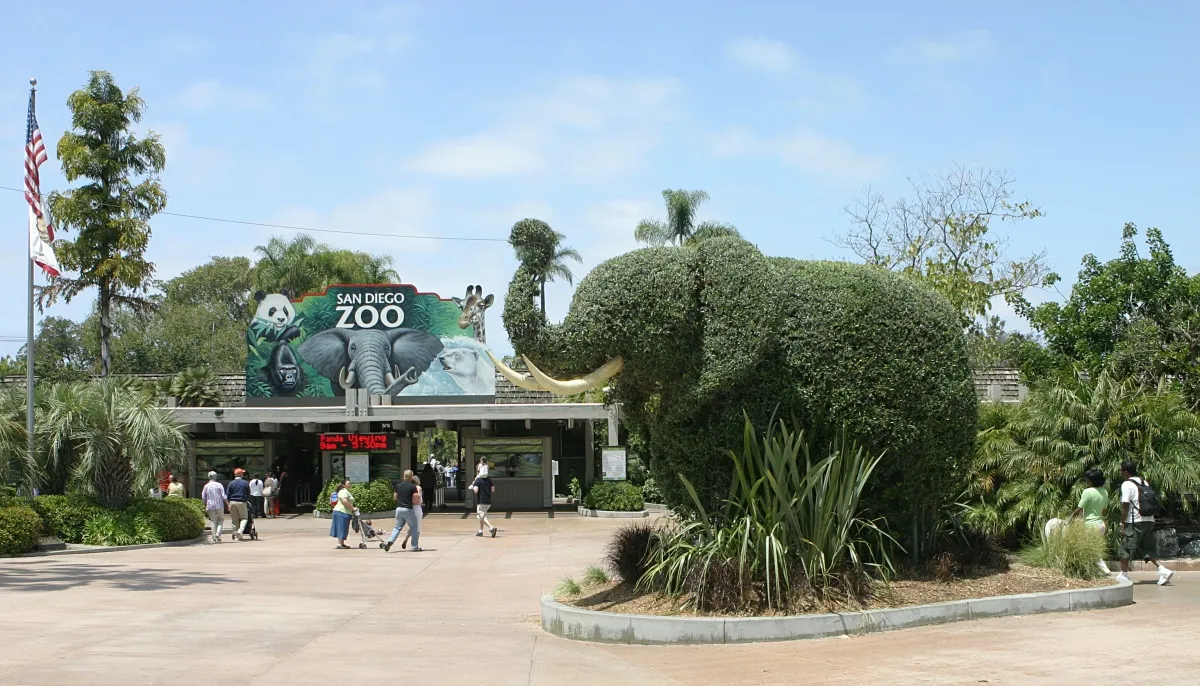 San Diego Zoo🇺🇸 San Diego, United States
 Honolulu Zoo🇺🇸 Honolulu, United States
 Metro Richmond Zoo🇺🇸 Moseley, United States
 Brevard Zoo🇺🇸 Melbourne, United States
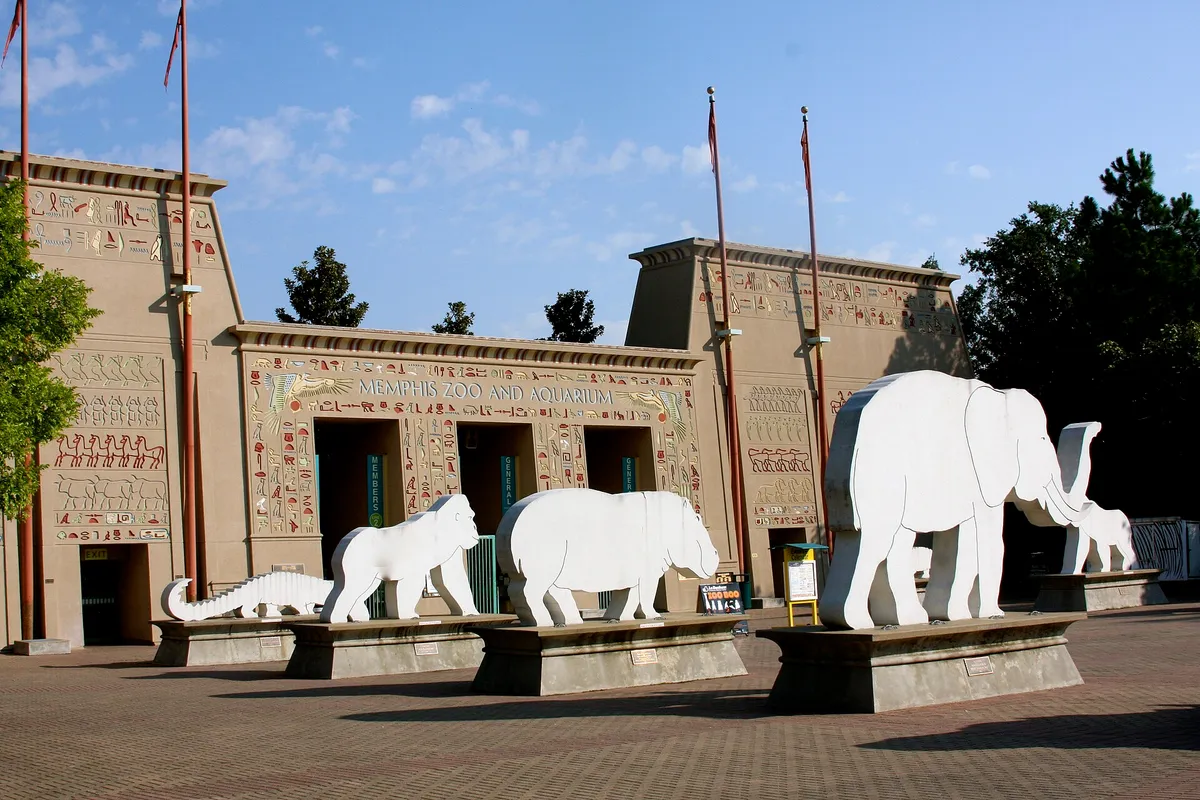 Memphis Zoo🇺🇸 Memphis, United States
Community notes
Share your observations about the Klipspringer.
No community notes yet. Be the first!
Discover more wildlife
More fascinating animals from the encyclopedia.