
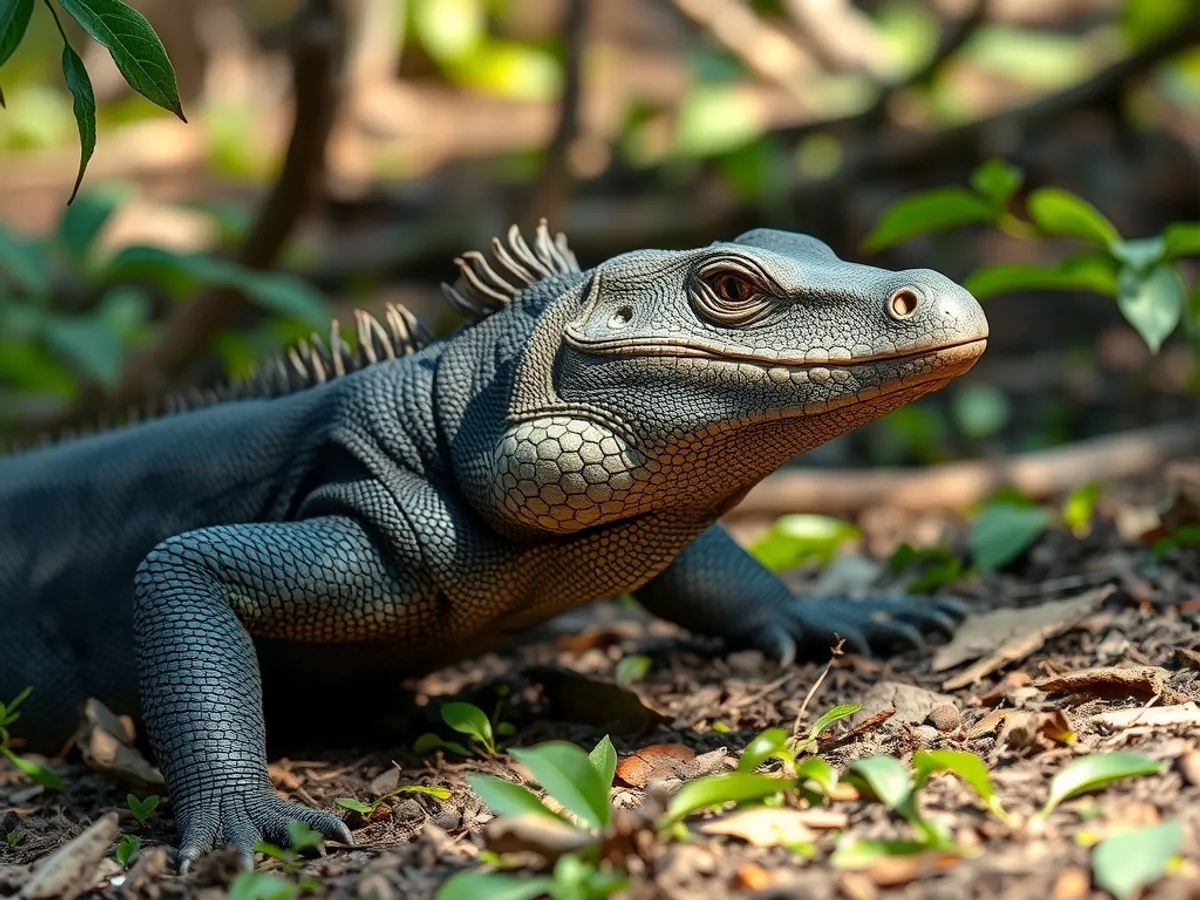
About the Komodo Dragon
The Komodo dragon (Varanus komodoensis) is the largest living lizard, reaching lengths of up to 3 meters (about 10 feet) and weighing as much as 70 kilograms (approximately 154 pounds). Native to a few Indonesian islands, including Komodo, Rinca, and Flores, these formidable reptiles thrive in the dry, open grasslands and tropical forests of their volcanic habitats. Unlike most reptiles, Komodo dragons exhibit a unique hunting strategy; they rely on stealth and power, ambushing prey with a sudden burst of speed. Equipped with serrated teeth and potent venom, they can incapacitate large animals like deer and water buffalo. This venom, a relatively recent discovery, contains anticoagulants that prevent blood clotting, leading to shock and eventual death in prey. Their excellent sense of smell, capable of detecting carrion from up to 4 kilometers (about 2.5 miles) away, ensures they rarely miss a meal. Despite their fearsome reputation, Komodo dragons are vulnerable to threats such as habitat loss and human encroachment, and are currently listed as a vulnerable species.
Fascinating facts
Largest Lizard
The Komodo dragon holds the title of the world's largest living lizard, sometimes reaching lengths of over 3 meters (10 feet).
Venomous Bite
Komodo dragons possess venom glands that secrete toxins, which help subdue prey by lowering blood pressure and causing shock.
Parthenogenesis
Female Komodo dragons can lay fertile eggs without mating, a rare phenomenon known as parthenogenesis.
Detailed description
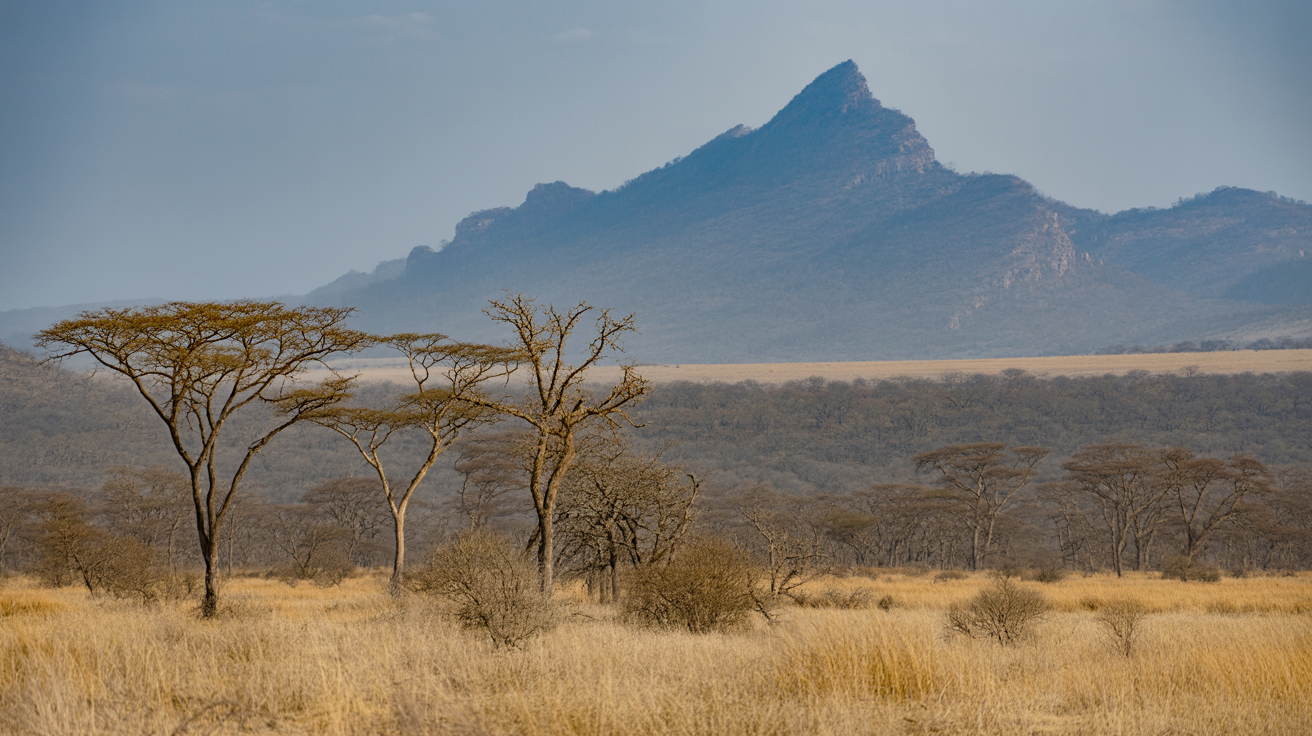
The Komodo dragon (Varanus komodoensis) is the largest extant lizard species, with adult males typically reaching 2.6 meters (8.5 ft) and weighing 70–90 kg (154–198 lbs), though exceptional individuals can exceed 3 meters (10 ft) and 150 kg (330 lbs) in the wild. Their robust bodies are covered in durable, armored scales reinforced with tiny bones called osteoderms, providing protection against injury. Komodo dragons possess a long, muscular tail, powerful limbs with sharp claws, and a large head equipped with serrated teeth similar to those of sharks. Their forked tongue is highly sensitive and used for chemoreception, allowing them to detect carrion or live prey from distances up to 4–10 km (2.5–6.2 mi). These reptiles are ectothermic and rely on basking to regulate their body temperature. They are solitary for most of the year, except during the breeding season or when feeding on large carcasses. Komodo dragons exhibit a dominance hierarchy, especially during feeding, with larger individuals monopolizing access to food. Their venom glands secrete a complex mix of proteins that lower blood pressure, inhibit clotting, and induce shock in prey, complementing their powerful bite. Adapted to the arid, open woodlands and savannas of the Lesser Sunda Islands, they are apex predators and scavengers, feeding on a wide range of animals including deer, wild boar, water buffalo, and occasionally smaller dragons. Juveniles are more arboreal and insectivorous, gradually shifting to larger prey as they mature.
Did you know?
Komodo dragons have venom glands that produce toxic proteins, making their bites both infectious and venomous.
Research & sources
Wikipedia summary
The Komodo dragon, also known as the Komodo monitor, is a large reptile of the monitor lizard family Varanidae that is endemic to the Indonesian islands of Komodo, Rinca, Flores, Gili Dasami, and Gili Motang. The largest extant population lives within the Komodo National Park in Eastern Indonesia. It is the largest extant species of lizard, with the males growing to a maximum length of 3 m (10 ft) and weighing up to 150 kg (330 lb).
Behaviour & social structure
Komodo dragons are primarily diurnal, with peak activity during the early morning and late afternoon to avoid midday heat. They are ambush predators, relying on stealth and patience to approach prey before launching a rapid, powerful attack. Their hunting strategy often involves biting and retreating, allowing venom and bacterial infection to weaken the prey before consumption. They are capable of running briefly at speeds up to 20 km/h (12 mph), climbing trees (especially as juveniles), and swimming between islands. Social interactions are generally antagonistic, with aggressive displays such as hissing, tail lashing, and posturing. During feeding, a strict dominance hierarchy is observed, and cannibalism is not uncommon, particularly towards hatchlings and juveniles. Komodo dragons are known to dig extensive burrows for shelter and thermoregulation, and they may occupy abandoned nests of megapode birds or other animals.
Reproduction & life cycle
Breeding occurs annually during the dry season (May–August), with males engaging in ritualized combat to secure mating opportunities. These contests involve grappling and wrestling, with the victor earning access to receptive females. Females lay clutches of 15–30 eggs in September, often utilizing abandoned megapode nests or digging their own burrows. Incubation lasts approximately 7–8 months, with hatching occurring in April, coinciding with the onset of the rainy season and increased food availability. Hatchlings are highly vulnerable to predation, including from adult dragons, and often climb trees to avoid danger. Parental care is minimal; females may guard nests for a short period post-laying, but do not tend to the young after hatching.
Adaptations & survival
Komodo dragons exhibit a suite of adaptations for their role as apex predators in island ecosystems. Their serrated teeth and strong jaws enable them to tear through tough hide and bone. The venomous bite, once thought to be solely reliant on pathogenic bacteria, is now known to involve specialized venom glands that cause rapid blood loss and shock in prey. Their acute sense of smell, mediated by the Jacobson’s organ, allows them to detect carrion over several kilometers. Osteoderms in the skin provide armor against injury from prey or conspecifics. Juveniles’ arboreal habits and cryptic coloration help them avoid predation. Their ability to consume up to 80% of their body weight in a single meal and slow metabolism allow them to survive on infrequent feedings, a crucial adaptation for life in resource-limited island environments.
Cultural significance
Komodo dragons hold significant cultural value for the indigenous peoples of the Lesser Sunda Islands, featuring in local folklore as mystical guardians or ancestors. The dragons are central to the identity of Komodo Island and have become a symbol of Indonesian wildlife, attracting ecotourism and international attention. Traditional beliefs often afford the dragons a degree of protection, though these are increasingly challenged by modern pressures. The species’ fearsome reputation has inspired numerous myths and stories, both locally and globally.
Recent research
Recent research has clarified the role of venom in Komodo dragon predation, overturning earlier assumptions that pathogenic bacteria alone were responsible for prey mortality. Genetic studies have revealed low genetic diversity, underscoring the importance of maintaining multiple, viable populations. Ongoing telemetry and ecological studies are improving understanding of their spatial ecology, home range, and movement patterns. Conservation genetics, disease surveillance, and reproductive biology remain active areas of research, with particular interest in the potential impacts of climate change and human disturbance. Captive breeding and head-starting programs are being explored as supplementary conservation strategies.
Videos
Habitat
Tropical dry forest and savanna

Conservation
The Komodo Dragon is currently classified as Endangered on the IUCN Red List.
Threats & challenges
Komodo dragons are classified as Endangered by the IUCN, with an estimated wild population of fewer than 4,000 individuals. Major threats include habitat loss due to human encroachment, agricultural expansion, and fire. Poaching of prey species, such as deer and wild boar, reduces food availability. Occasional illegal hunting and trade, as well as natural disasters (volcanic eruptions, earthquakes, tsunamis), pose further risks. Small, isolated populations are vulnerable to genetic bottlenecks and stochastic events. Climate change, leading to altered rainfall patterns and habitat degradation, is an emerging concern. Conservation efforts focus on habitat protection, anti-poaching patrols, and community engagement, particularly within Komodo National Park and surrounding reserves.
Taxonomy
Scientific name
Varanus komodoensis
- Kingdom
- Animalia
- Phylum
- Chordata
- Class
- Reptilia
- Order
- Squamata
- Family
- Varanidae
- Genus
- Varanus
- Species
- komodoensis
Where to see a komodo dragon
25 zoos and aquariums in 3 countries are recorded as keeping this species.
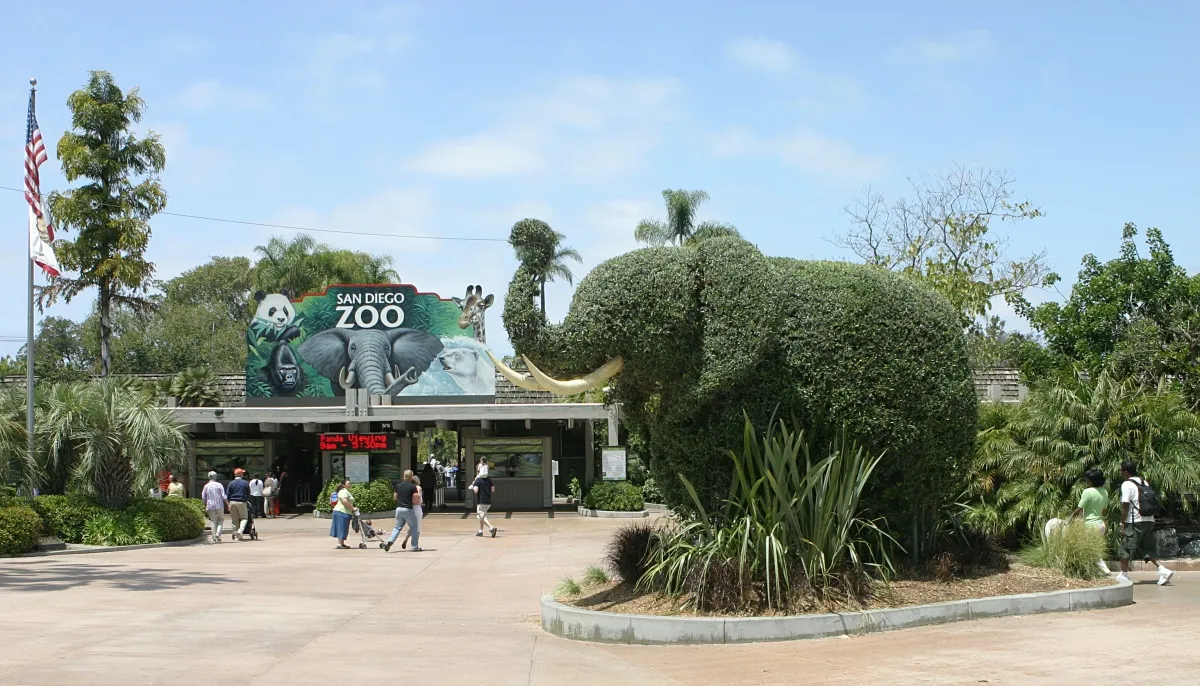 San Diego Zoo🇺🇸 San Diego, United States
 Chester Zoo🇬🇧 Chester, United Kingdom
 Honolulu Zoo🇺🇸 Honolulu, United States
 Houston Zoo🇺🇸 Houston, United States
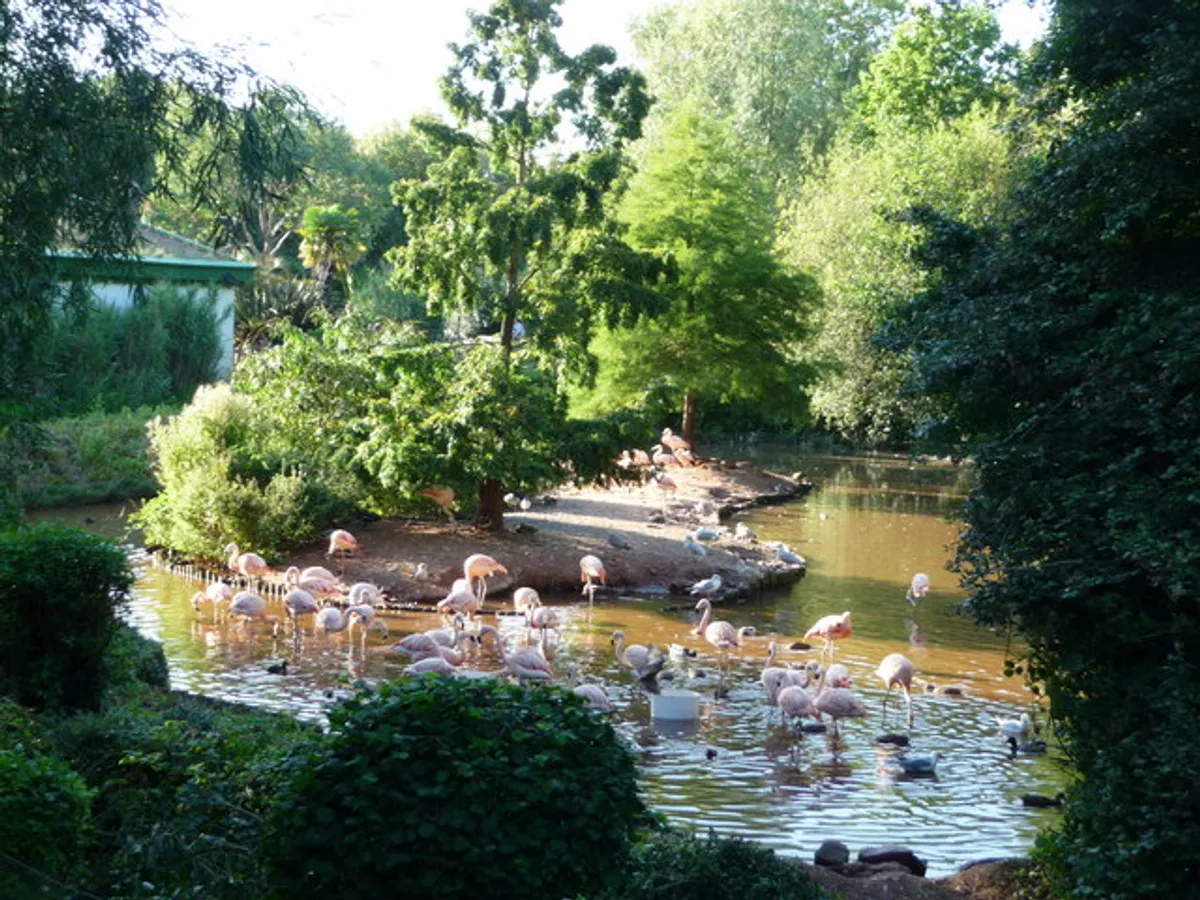 Paignton Zoo🇬🇧 Paignton, United Kingdom
Community notes
Share your observations about the Komodo Dragon.
No community notes yet. Be the first!
Discover more wildlife
More fascinating animals from the encyclopedia.