
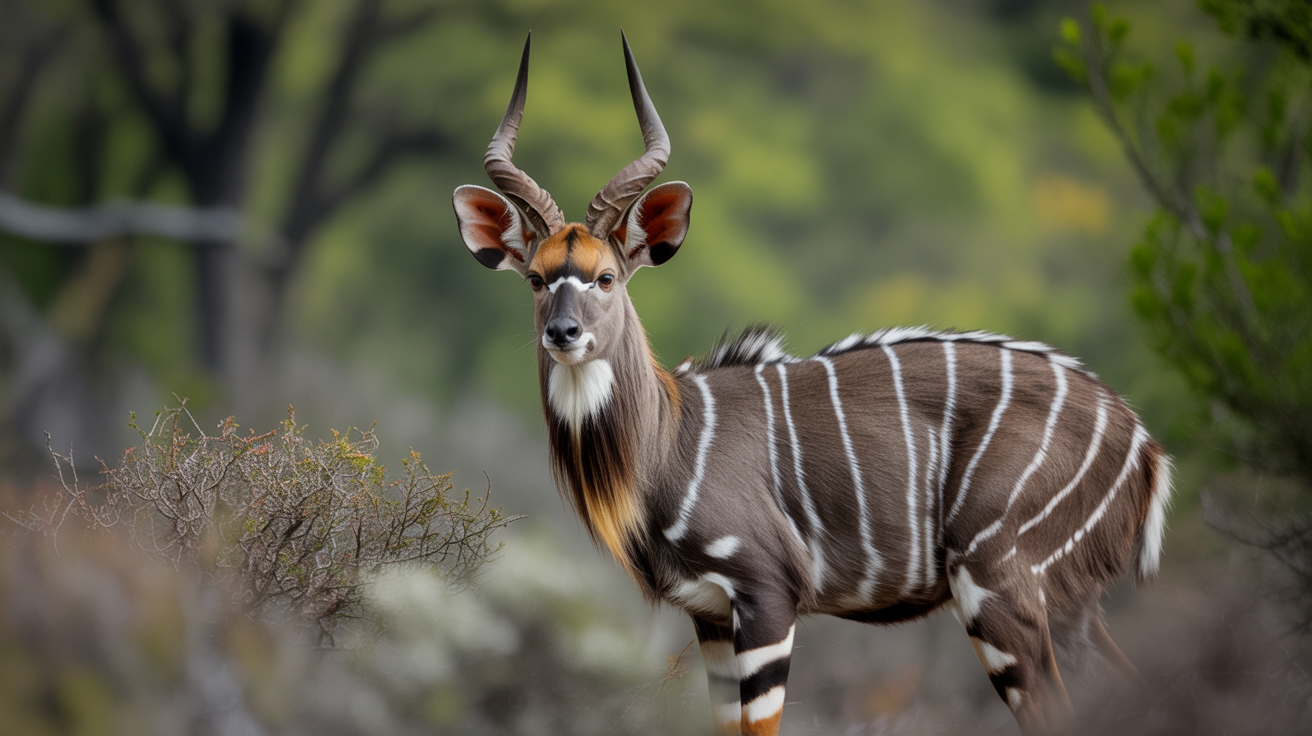
About the Mountain Nyala
The Mountain Nyala is a large, elusive antelope endemic to the highland forests of Ethiopia. Males are distinguished by their impressive spiral horns and a striking, slate-grey coat with white spots and stripes, while females are smaller and lack horns. This shy herbivore inhabits dense montane forests and heathlands, often hiding in thick vegetation to avoid predators and human disturbance. Due to its restricted range and ongoing habitat loss, the Mountain Nyala is considered one of Africa's rarest large mammals.
Fascinating facts
Highland Specialist
Mountain Nyala are found only in the mountains of southern and central Ethiopia, especially in the Bale Mountains, making them true montane specialists.
Impressive Horns
Mature males have long, spiral horns that are highly prized by trophy hunters, adding to the species' conservation challenges.
Elusive Nature
These antelopes are extremely shy and secretive, often remaining perfectly still and blending into the forest to avoid predators and humans.
Detailed description
The Mountain Nyala (Tragelaphus buxtoni) is a large, robust antelope endemic to the high-altitude forests and heathlands of Ethiopia, primarily within the Bale Mountains. Adult males stand 120–135 cm at the shoulder and weigh 180–300 kg, while females are noticeably smaller at 90–100 cm and 150–200 kg. The species exhibits pronounced sexual dimorphism: males possess long, spiral horns (averaging 90–110 cm in length), a prominent dorsal crest, and a slate-grey to brown coat marked with faint vertical white stripes and a series of white spots along the flanks. Females lack horns and have a lighter, reddish-brown coat. Both sexes display distinctive white markings on the face, throat, and lower limbs. The Mountain Nyala is highly elusive, favoring dense montane forests and Erica-dominated heathlands at elevations between 2,800 and 4,000 meters. Its large, splayed hooves are well-adapted for traversing steep, muddy, or boggy terrain. The species is primarily crepuscular, with peak activity at dawn and dusk, and is known for its secretive, cautious behavior, often freezing or silently slipping away when disturbed. Social structure typically consists of small groups, with females and their young forming loose herds of 4–10 individuals, while mature males are mostly solitary or form bachelor groups. The Mountain Nyala's restricted range, specialized habitat requirements, and sensitivity to disturbance make it particularly vulnerable to environmental changes.
Did you know?
The Mountain Nyala was unknown to science until 1910, making it one of the last large African mammals to be scientifically described.
Research & sources
Wikipedia summary
The mountain nyala or balbok, is a large antelope found in high altitude woodlands in a small part of central Ethiopia. It is a monotypic species first described by English naturalist Richard Lydekker in 1910. The males are typically 120–135 cm (47–53 in) tall while females stand 90–100 cm (35–39 in) at the shoulder. Males weigh 180–300 kg (400–660 lb) and females weigh 150–200 kg (330–440 lb). The coat is grey to brown, marked with two to five poorly defined white strips extending from the back to the underside, and a row of six to ten white spots. White markings are present on the face, throat and legs as well. Males have a short dark erect crest, about 10 cm (3.9 in) high, running along the middle of the back. Only males possess horns.
Behaviour & social structure
Mountain Nyala are predominantly browsers, feeding on a diverse array of leaves, shoots, herbs, and occasionally grasses, depending on seasonal availability. Their diet includes species such as Hypericum, Erica, and Hagenia, with a preference for tender shoots and high-protein foliage. They exhibit a flexible foraging strategy, often moving between forest edges and open glades. Social interactions are generally peaceful, with minimal aggression outside of the breeding season; males may engage in ritualized displays or sparring to establish dominance. Vigilance is high, and alarm calls are rare; instead, they rely on stillness and camouflage to avoid detection. Daily routines involve foraging during early morning and late afternoon, resting and ruminating in dense cover during midday. Home ranges are relatively small, often overlapping with other groups, and movement patterns are influenced by resource distribution and human disturbance.
Reproduction & life cycle
Breeding in Mountain Nyala is seasonal, with most births occurring at the onset of the rainy season (typically from December to March), coinciding with peak food availability. Males compete for access to estrous females through displays and occasional physical contests. After a gestation period of approximately 8–9 months, females give birth to a single calf, which remains hidden in dense vegetation for the first few weeks of life. Maternal care is pronounced, with mothers visiting their concealed young for nursing and grooming several times a day. Calves are weaned at 6–8 months but may remain with their mothers for up to a year. Sexual maturity is reached at 2–3 years for females and slightly later for males, who often do not breed successfully until they are older and able to compete with dominant males.
Adaptations & survival
The Mountain Nyala exhibits several adaptations to its montane environment. Its large, splayed hooves provide stability and traction on steep, muddy, and uneven ground. The dense, water-resistant coat offers insulation against cold, wet conditions prevalent at high elevations. Cryptic coloration, with muted stripes and spots, aids in camouflage among dappled forest light and undergrowth. Behavioral adaptations include extreme wariness and the use of dense cover for concealment, reducing predation risk. The species' flexible diet allows it to exploit a range of plant resources, while its crepuscular activity pattern minimizes exposure to predators and human disturbance.
Cultural significance
The Mountain Nyala holds cultural significance as a symbol of Ethiopia's unique biodiversity and natural heritage. It is featured on local currency and stamps and is a flagship species for conservation in the Bale Mountains. Historically, the species has been hunted for its impressive horns, which are prized as trophies. In local folklore, the Mountain Nyala is sometimes associated with the spirit of the highlands, representing grace and elusiveness. Its rarity and beauty have made it a focus of ecotourism, contributing to local economies and raising awareness of conservation needs.
Recent research
Recent research on the Mountain Nyala has focused on population genetics, habitat use, and the impacts of human activity. Genetic studies indicate low genetic diversity, raising concerns about inbreeding and long-term viability. Satellite tracking and camera trap surveys have improved understanding of movement patterns, habitat preferences, and group dynamics. Conservation initiatives are exploring community-based management and habitat restoration to enhance population resilience. Ongoing studies are assessing the effects of climate change on montane ecosystems and the potential for assisted migration or habitat corridors. The Mountain Nyala remains a priority species for conservation organizations and is the subject of international collaborative research efforts.
Videos
Habitat
Montane forest and heathland
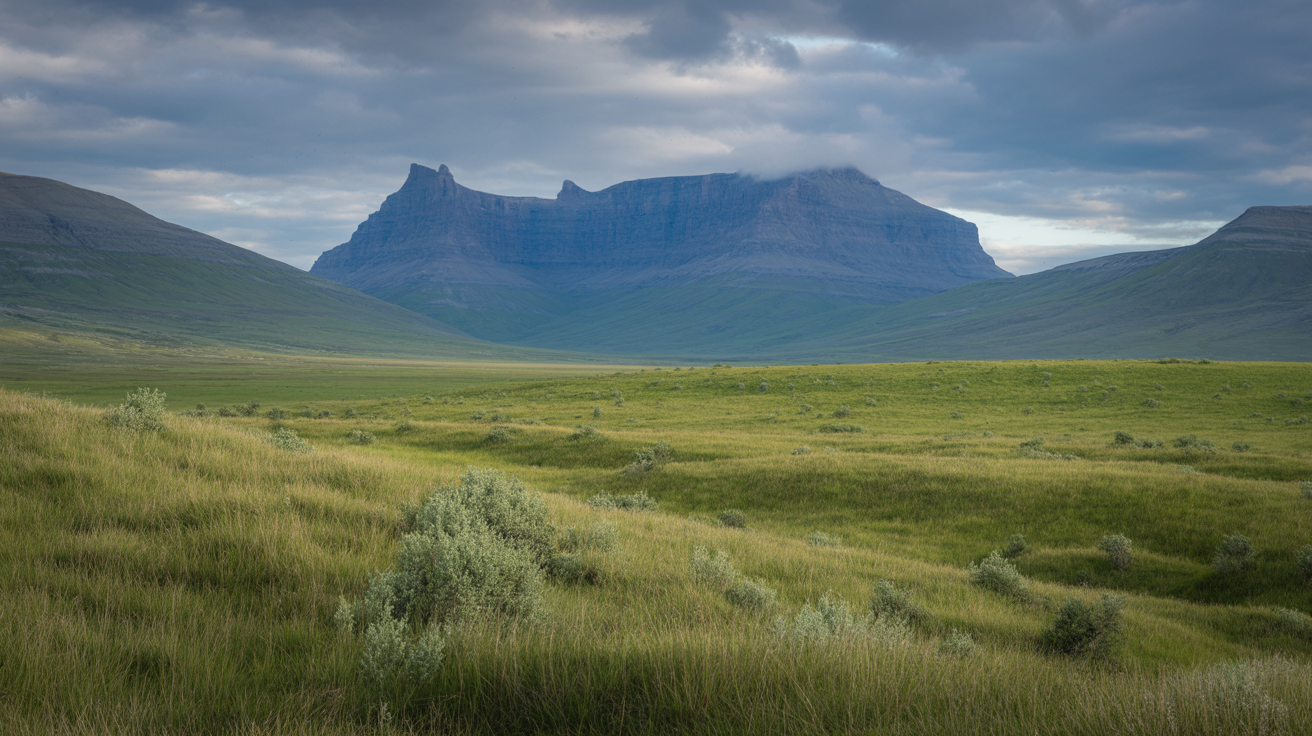 Various Continental Regions
Grassland
Open areas dominated by grasses rather than trees, supporting numerous herbivores and their predators.
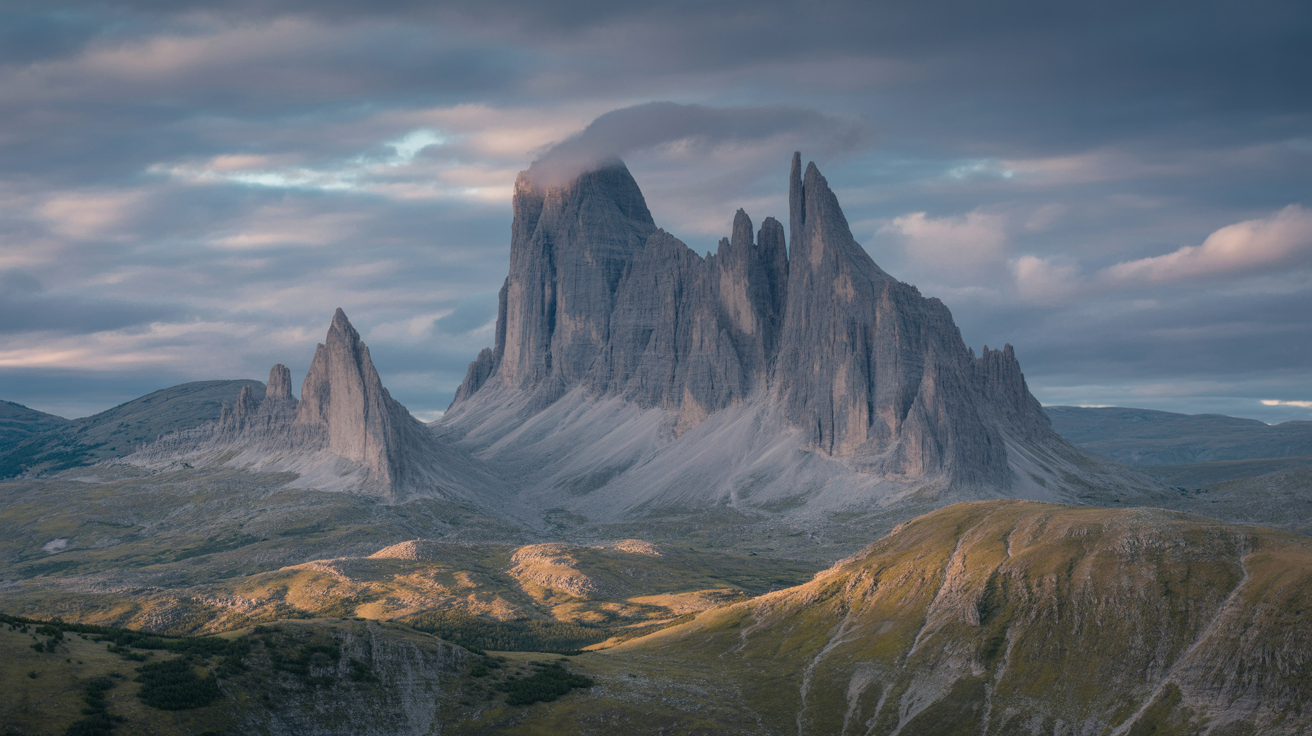 Elevated Terrain
Mountain
High-altitude environments with varying climates and specialized wildlife adapted to rugged terrain and thin air.
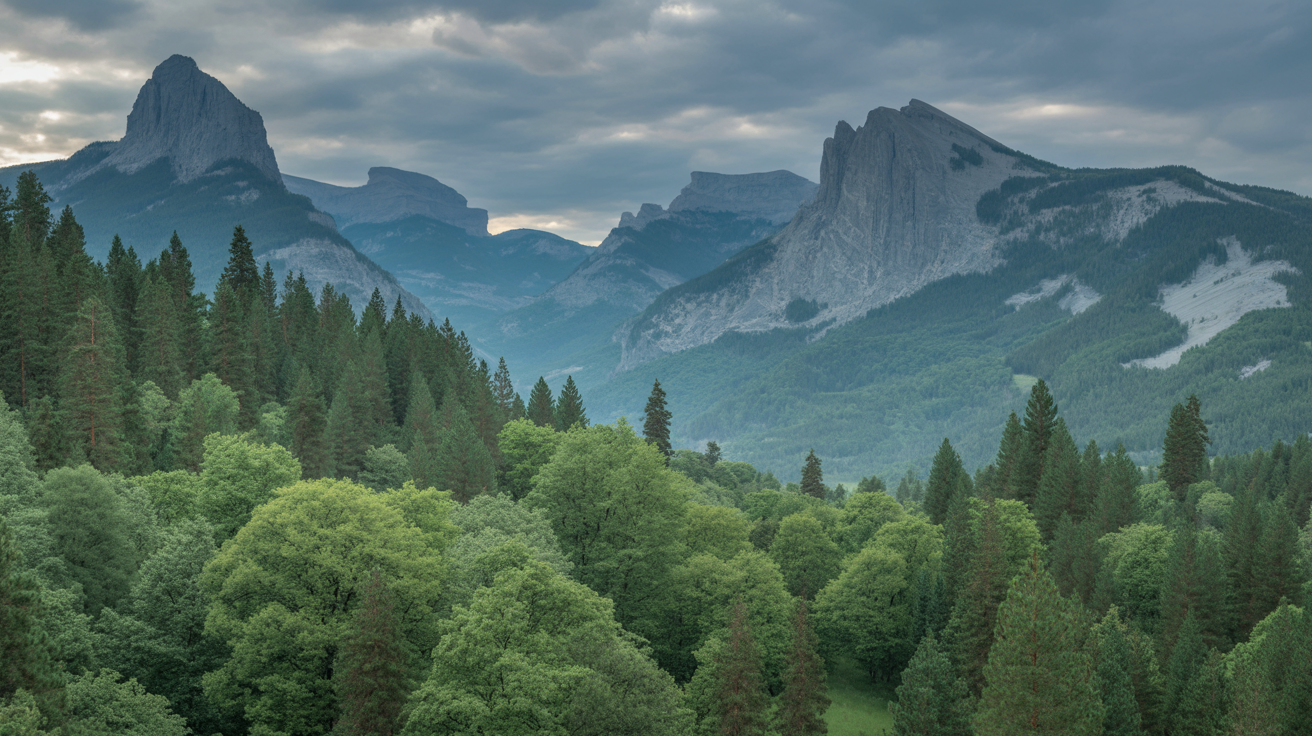 Global
Forest
Wooded areas with significant tree cover and diverse plant and animal communities.
Conservation
The Mountain Nyala is currently classified as Endangered on the IUCN Red List.
Threats & challenges
The Mountain Nyala faces significant threats, primarily from habitat loss and fragmentation due to agricultural expansion, logging, and settlement encroachment. Poaching for meat and trophies, although illegal, remains a persistent problem, particularly outside protected areas. Competition with domestic livestock for forage and water resources further exacerbates habitat degradation. The total population is estimated at fewer than 2,500 mature individuals, with a declining trend. Most of the population is confined to the Bale Mountains National Park, but even within protected areas, enforcement of conservation measures is challenging. Climate change poses an additional long-term threat by altering montane habitats and shifting vegetation zones.
Taxonomy
Scientific name
Tragelaphus buxtoni
- Kingdom
- Animalia
- Phylum
- Chordata
- Class
- Mammalia
- Order
- Artiodactyla
- Family
- Bovidae
- Genus
- Tragelaphus
- Species
- buxtoni
Community notes
Share your observations about the Mountain Nyala.
No community notes yet. Be the first!
Discover more wildlife
More fascinating animals from the encyclopedia.