
About the Red-footed tortoise
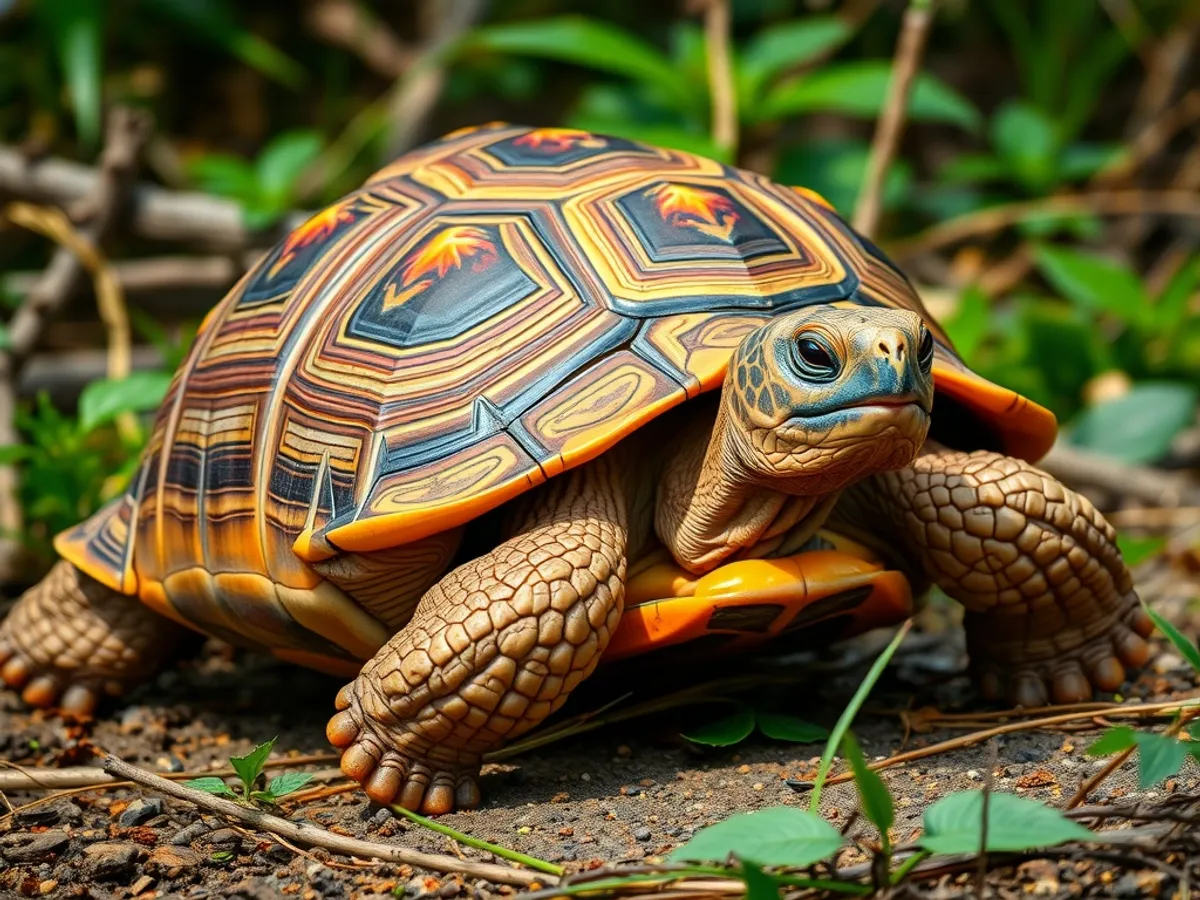
The Red-footed tortoise is a medium-sized tortoise native to South America, easily recognized by its distinctive red or orange scales on its limbs, head, and tail. It has a domed, elongated shell that varies from dark brown to black with lighter yellowish patches. Red-footed tortoises are omnivorous and known for their adaptability, thriving in a variety of habitats ranging from dry savannas to humid forests. Their docile nature and striking appearance have made them popular in the pet trade, but they face threats from habitat loss and illegal collection. In the wild, they are important seed dispersers, helping maintain the health of their ecosystems.
Fascinating facts
Ecological Role
Red-footed tortoises are important seed dispersers in their native habitats, as seeds pass through their digestive system and are deposited in new locations.
Colorful Limbs
Their name comes from the bright red or orange markings found on their legs, which are more pronounced in males than females.
Reproduction
Females can lay several clutches of eggs each year, with each clutch containing up to 15 eggs that incubate for about 4-5 months.
Detailed description
The Red-footed tortoise (Chelonoidis carbonarius) is a medium-sized terrestrial chelonian, typically measuring 30–35 cm (12–14 in) in straight carapace length, though some individuals may exceed 40 cm (16 in) and weigh up to 15 kg (33 lb). Its carapace is elongated and somewhat flattened dorsally, with a distinctive 'loaf-shaped' profile and pronounced lateral constriction. The shell coloration is generally dark brown to black, with each scute displaying a lighter, often yellowish or orange, central areola. The plastron is lighter, ranging from yellowish to cream, sometimes with dark blotches. Limbs, head, and tail are marked by prominent red, orange, or yellow scales, which are especially vivid in males and give the species its common name. The skin is tough and pebbly, an adaptation to terrestrial life. Red-footed tortoises possess strong, clawed forelimbs for digging and foraging, and a relatively narrow head with a hooked upper jaw suited for a varied diet. Sexual dimorphism is present: males generally have longer, more concave plastrons, longer tails, and more pronounced waists than females. In the wild, these tortoises are crepuscular, being most active during dawn and dusk, and often shelter under vegetation or in burrows during the heat of the day. Their lifespan in the wild is estimated at 40–50 years, with some captive individuals surpassing 60 years.
Did you know?
Unlike many tortoise species, the Red-footed tortoise is capable of eating animal protein like insects and carrion in addition to plant material.
Research & sources
Wikipedia summary
The red-footed tortoise is a species of tortoise from northern South America. These medium-sized tortoises generally average 30 cm (12 in) as adults, but can reach over 40 cm (16 in). They have dark-colored, “loaf”-shaped carapaces with a lighter patch in the middle of each scute, and a somewhat lighter-colored plastron (underbelly). They also have dark limbs dotted with brightly-colored scales, from which they get their name, that range from pale yellow to vivid or dark red. Visible differences are noted between red-footed tortoises from varying eco-regions. They are closely related to the more easterly-distributed yellow-footed tortoise of the Amazon Basin.
Behaviour & social structure
Red-footed tortoises are primarily solitary but may aggregate in areas with abundant food or during the breeding season. They are omnivorous generalists, feeding on a wide range of fruits, flowers, leaves, fungi, and occasionally carrion and invertebrates. Their foraging behavior is guided by a keen sense of smell, and they are important seed dispersers, especially for large-seeded tropical fruits. Activity peaks during humid or rainy conditions, and they often wallow in mud or shallow water to regulate body temperature and deter ectoparasites. Social interactions are generally limited, but males may engage in combat displays—ramming and biting—during competition for mates. Courtship involves head bobbing, circling, and olfactory investigation. Red-footed tortoises are known for their docility and tolerance of conspecifics, with minimal territoriality outside the breeding season. They exhibit a daily routine of alternating foraging, basking, and resting, often returning to favored shelters.
Reproduction & life cycle
Breeding in Red-footed tortoises is seasonal, typically coinciding with the onset of the rainy season (varies regionally, but often from March to July). Males court females through a series of ritualized behaviors, including head bobbing, sniffing, and gentle biting. Copulation is accompanied by vocalizations and can last several hours. Females lay 2–15 eggs per clutch, with 1–4 clutches per year depending on environmental conditions. Eggs are deposited in shallow nests dug in loose soil or leaf litter. Incubation lasts 120–150 days, with temperature-dependent sex determination: higher temperatures favor females, lower temperatures favor males. Hatchlings are about 4–5 cm (1.5–2 in) long and are independent from birth, receiving no parental care. Juveniles are more secretive and remain hidden in dense vegetation to avoid predation.
Adaptations & survival
Red-footed tortoises exhibit several adaptations for survival in variable environments. Their domed, robust carapace provides protection from predators and environmental hazards. The brightly colored limb scales may serve as aposematic signals or play a role in intraspecific recognition. Their omnivorous diet and ability to digest a wide range of plant and animal matter allow them to exploit diverse food resources. Behavioral thermoregulation—basking, burrowing, and wallowing—enables them to maintain optimal body temperature in fluctuating climates. Their strong sense of smell aids in locating food and conspecifics. The species' tolerance for both humid forests and drier savannas reflects physiological and behavioral flexibility, contributing to its wide distribution.
Cultural significance
In many South American cultures, the Red-footed tortoise (locally known as 'jabuti' or 'morrocoy') features in folklore and traditional stories, often symbolizing wisdom, longevity, or cunning. It is sometimes kept as a household pet or used in traditional medicine, though such practices are declining with increased legal protection. In some indigenous communities, the tortoise is considered a delicacy and is hunted for its meat and eggs, though this is increasingly regulated. The species has also become an ambassador for tropical forest conservation in environmental education programs.
Recent research
Recent research has focused on the genetic diversity and population structure of Red-footed tortoises across their range, revealing significant regional variation and the possible existence of distinct management units. Studies on their role as seed dispersers have highlighted their importance in maintaining forest composition and regeneration. Ongoing investigations examine the impacts of climate change on nesting success and sex ratios, as well as the effects of the pet trade on wild populations. Advances in radio telemetry and stable isotope analysis are providing new insights into their movement ecology and diet in different habitats.
Sources
Turtles of the World: Annotated Checklist and Atlas of Taxonomy, Synonymy, Distribution, and Conservation Status
Turtle Taxonomy Working Group (Rhodin, Iverson, Bour, Fritz, Georges, Shaffer, van Dijk) (2017)
scientificVideos
Habitat
Tropical and subtropical forests, savannas, and grasslands
 Africa
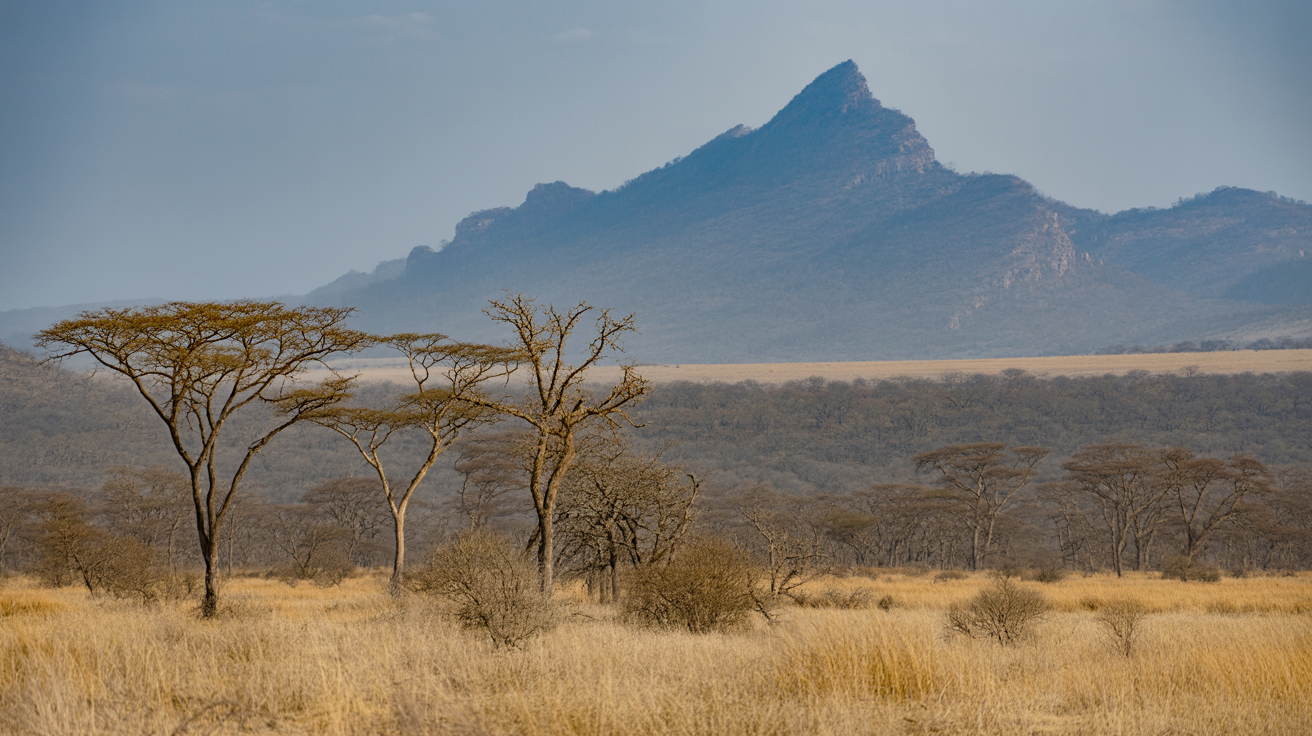
Savanna
Grasslands with scattered trees, characterized by seasonal rainfall and home to diverse grazing animals and predators.
 Various Continental Regions
Grassland
Open areas dominated by grasses rather than trees, supporting numerous herbivores and their predators.
 Tropical Regions
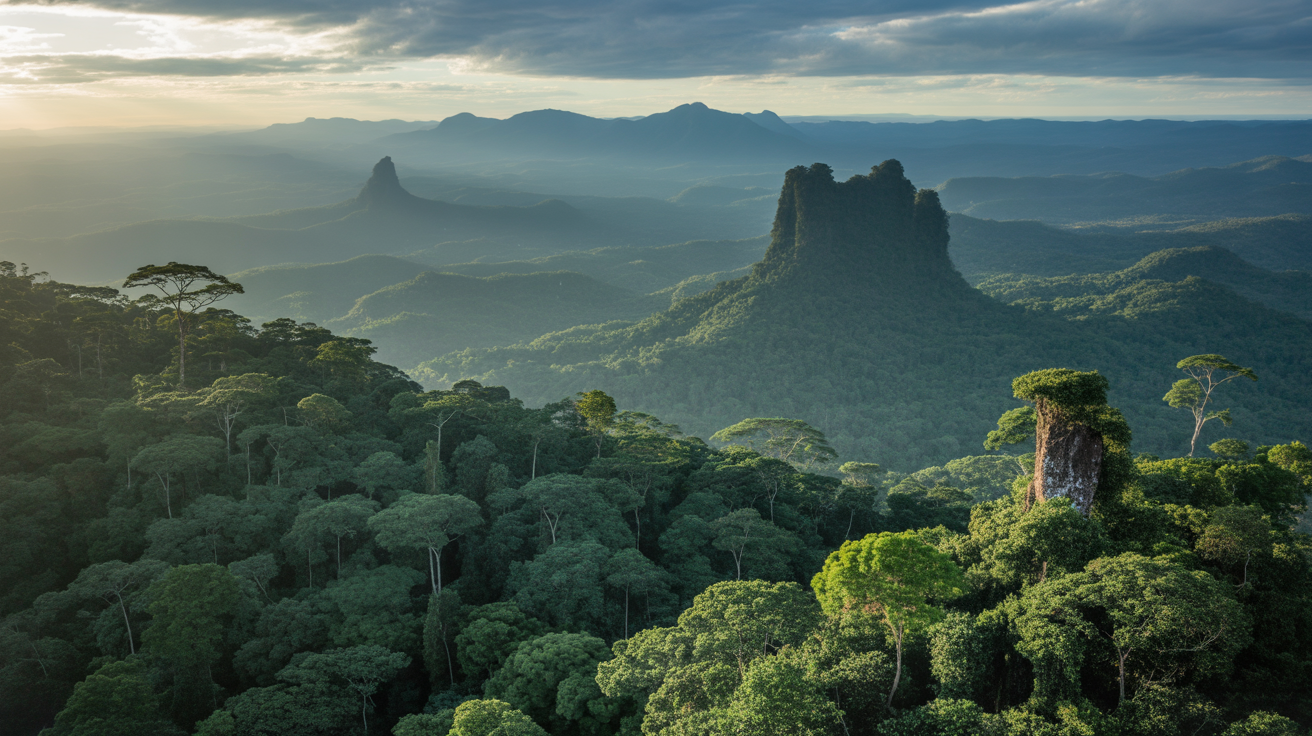
Rainforest
Dense, wet forests with the highest biodiversity on Earth, containing more than half of the world's plant and animal species.
 Global
Forest
Wooded areas with significant tree cover and diverse plant and animal communities.
Conservation
The Red-footed tortoise is currently classified as Vulnerable on the IUCN Red List.
Threats & challenges
Major threats to Red-footed tortoises include habitat loss due to deforestation, agricultural expansion, and urbanization throughout their range. Over-collection for the international pet trade and local consumption as food further pressures wild populations. Road mortality and predation of eggs and juveniles by introduced species (e.g., dogs, pigs) also impact recruitment. Although still widespread, population declines have been documented in many areas, prompting the IUCN to list the species as Vulnerable. Conservation challenges include weak enforcement of trade regulations, limited protected habitat, and insufficient public awareness. Climate change may also alter reproductive timing and habitat suitability, posing additional risks.
Taxonomy
Scientific name
Chelonoidis carbonarius
- Kingdom
- Animalia
- Phylum
- Chordata
- Class
- Reptilia
- Order
- Testudines
- Family
- Testudinidae
- Genus
- Chelonoidis
- Species
- carbonarius
Where to see a red-footed tortoise
16 zoos and aquariums in 3 countries are recorded as keeping this species.
 Belfast Zoo🇬🇧 Belfast, United Kingdom
 Zoo am Meer🇩🇪 Bremerhaven, Germany
 National Zoological Park🇺🇸 Washington, United States
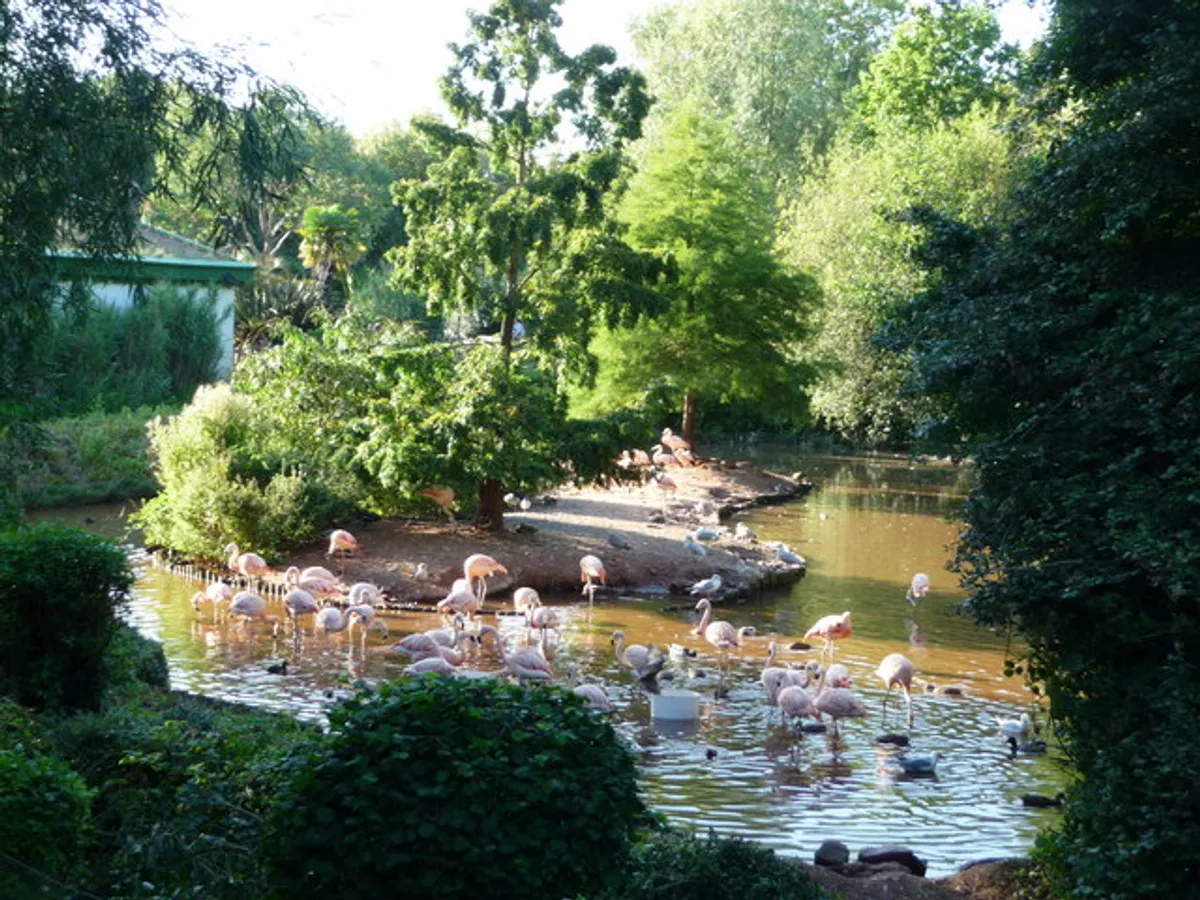 Paignton Zoo🇬🇧 Paignton, United Kingdom
 Turtle Back Zoo🇺🇸 West Orange, United States
Community notes
Share your observations about the Red-footed tortoise.
No community notes yet. Be the first!
Discover more wildlife
More fascinating animals from the encyclopedia.