
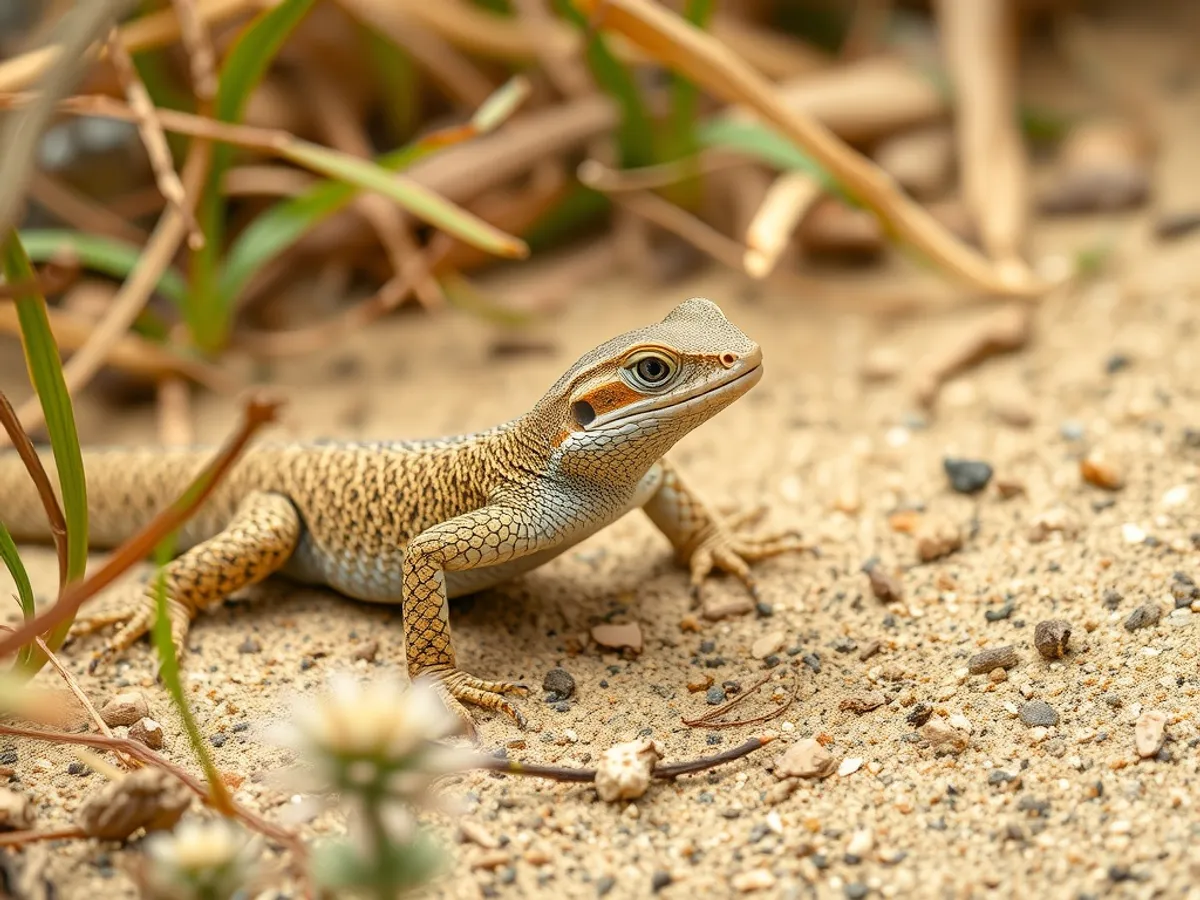
About the Sand lizard
The sand lizard is a robust, medium-sized reptile native to sandy heathlands and grasslands across much of Europe and parts of Asia. It is notable for its vibrant green coloration in males during the breeding season, which helps them attract mates and blend into their surroundings. Females and juveniles are typically brown with darker spots and a distinctive dorsal stripe. Sand lizards are terrestrial and diurnal, relying on sandy soils for burrowing and egg-laying. Due to habitat loss and fragmentation, many populations are now isolated and in decline.
Fascinating facts
Colorful Males
During the breeding season, male sand lizards display bright green sides to attract females and deter rival males.
Egg-laying
Females dig burrows in sandy soil to lay their eggs, which are then left to incubate naturally in the warm ground.
Tail Regeneration
When threatened by predators, sand lizards can shed their tails, which will later regrow, though the new tail is often shorter and less colorful.
Detailed description
The sand lizard (Lacerta agilis) is a robust, medium-sized lacertid lizard, typically measuring 16–20 cm in total length, with the tail accounting for about two-thirds of this length. Adult males are especially striking during the breeding season, displaying vivid green flanks and heads, which contrast with their brownish dorsal surfaces marked by dark spots and a pale vertebral stripe. Females and juveniles are more cryptically colored, usually brown or grey with less pronounced green hues and a more distinct dorsal stripe. The sand lizard has a sturdy, somewhat flattened body, short limbs, and a broad head, adaptations that facilitate burrowing and movement through dense vegetation. Its scales are keeled, providing protection and aiding in camouflage among sandy and grassy substrates. The species is diurnal and highly thermophilic, relying on basking to regulate its body temperature. Sand lizards are primarily terrestrial but are agile climbers when navigating low vegetation. They are solitary outside the breeding season, with individuals maintaining overlapping home ranges. This species is distributed across much of Europe and into western Asia, favoring dry, open habitats with loose, sandy soils that are essential for nesting and thermoregulation.
Did you know?
Sand lizards can re-grow their tails if they lose them to escape predators, although the new tail is usually shorter and a different color.
Research & sources
Wikipedia summary
The sand lizard is a lacertid lizard. There are several subspecies, including L. a. agilis, L. a. argus, and L. a. exigua.
Behaviour & social structure
Sand lizards are predominantly solitary and territorial, especially males during the breeding season, when they aggressively defend prime basking and nesting sites. Their daily activity centers around thermoregulation; they emerge from hibernation sites in early spring, basking in the sun to raise their body temperature before foraging. Their diet consists mainly of arthropods, including beetles, grasshoppers, spiders, and caterpillars, which they hunt using a combination of sit-and-wait and active foraging strategies. Sand lizards are known for their rapid, darting movements and ability to quickly burrow into loose sand to escape predators. Social interactions are generally limited to the breeding season, when males engage in ritualized combat displays and courtship behaviors. Outside of this period, interactions are minimal, with individuals maintaining spatial separation.
Reproduction & life cycle
Breeding occurs from late April to early June, depending on latitude and local climate. Males become territorial and display vibrant green coloration to attract females and deter rivals. Courtship involves a series of head-bobbing, circling, and biting behaviors. After mating, females excavate burrows in sandy soil, often in sun-exposed areas, where they lay clutches of 6–14 eggs. Incubation is entirely dependent on environmental temperatures, typically lasting 6–10 weeks. Hatchlings emerge in late summer, measuring 5–6 cm in length and are immediately independent, receiving no parental care. Sexual maturity is reached at 2–3 years of age. Reproductive success is highly sensitive to weather conditions, with cold or wet summers reducing egg development and hatchling survival.
Adaptations & survival
The sand lizard exhibits several adaptations to its xeric, open habitats. Its cryptic coloration and patterning provide camouflage against sandy and grassy backgrounds, reducing predation risk. The robust, flattened body and strong limbs facilitate efficient burrowing and movement through dense vegetation. Thermoregulatory behavior is highly developed; individuals select microhabitats for optimal basking and retreat to burrows or dense cover to avoid overheating or predation. The species' reproductive strategy—laying eggs in sun-warmed sand—maximizes embryonic development in temperate climates. Additionally, sand lizards can autotomize (shed) their tails to escape predators, with subsequent regeneration, though the new tail is structurally different from the original.
Cultural significance
While the sand lizard does not have a prominent role in European folklore or mythology, it is considered an indicator species for healthy heathland and grassland ecosystems. In some regions, it features in local conservation campaigns and environmental education as a flagship species for habitat restoration. There are no known traditional uses of the species, but its presence is valued by naturalists and herpetologists, and it is protected by law in several countries, including the UK and Germany.
Recent research
Recent research has focused on the genetic diversity and phylogeography of sand lizard populations, revealing significant differentiation among subspecies and isolated populations, particularly in the UK and Scandinavia. Studies on thermoregulation and reproductive ecology have highlighted the species' sensitivity to microclimatic conditions, informing habitat management practices. Ongoing conservation projects, such as captive breeding and reintroduction efforts in the UK, have provided valuable insights into population recovery and habitat requirements. Advances in radio telemetry have enabled detailed studies of home range, dispersal, and habitat use, contributing to more effective conservation planning.
Videos
Habitat
Heathland and sandy grassland
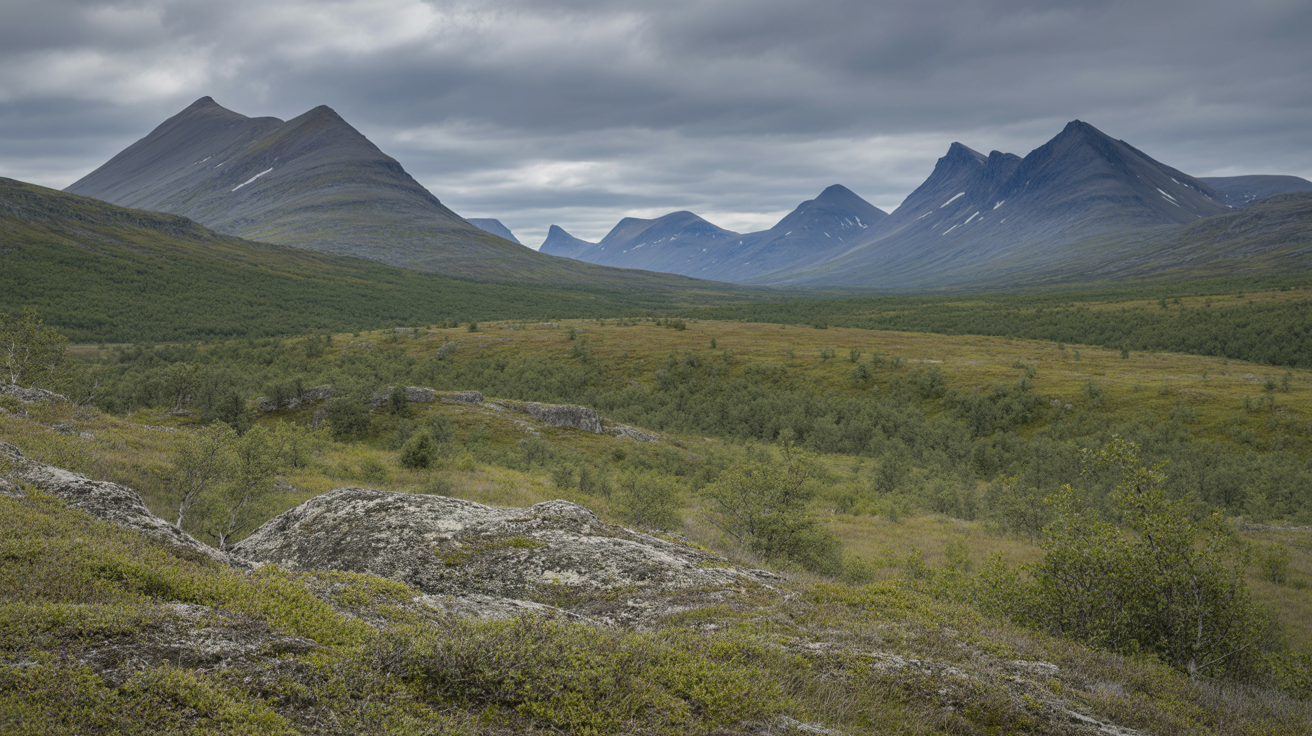 Polar and Subpolar Regions
Tundra
Cold, treeless regions with permafrost supporting specialized cold-adapted wildlife.
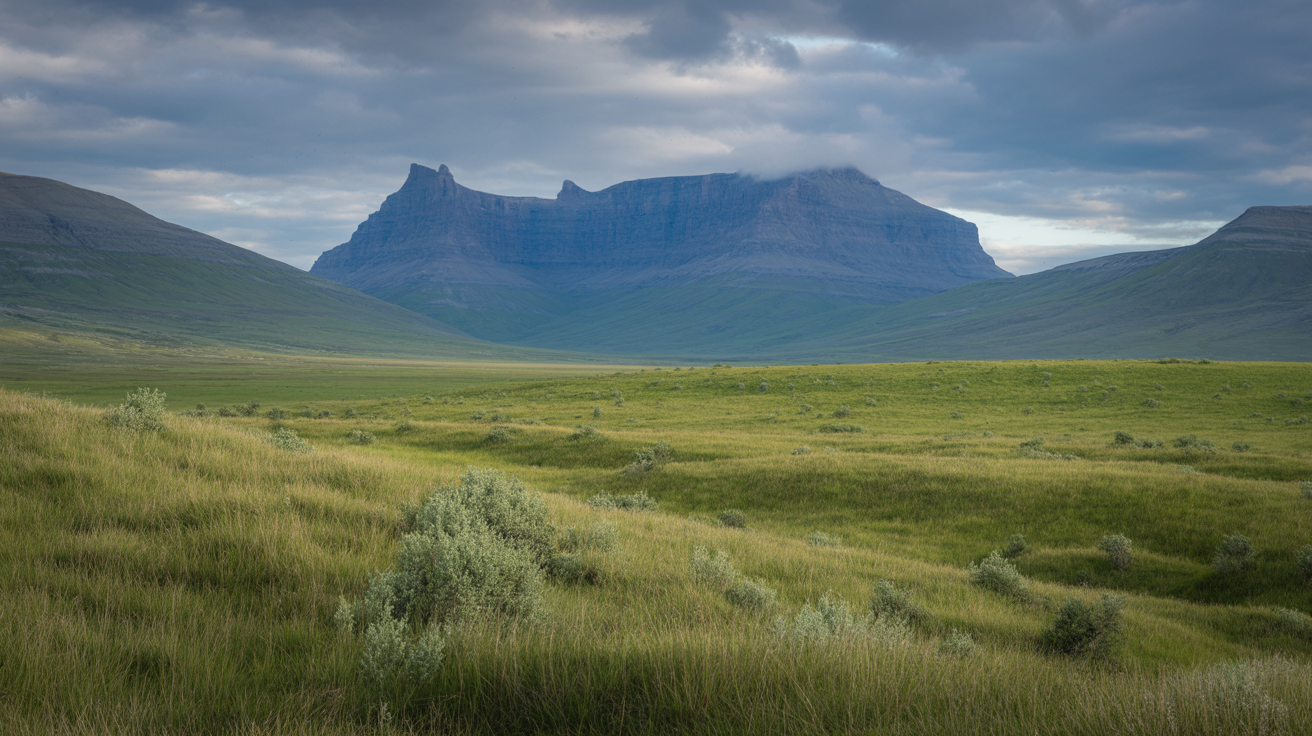 Various Continental Regions
Grassland
Open areas dominated by grasses rather than trees, supporting numerous herbivores and their predators.
 Global
Forest
Wooded areas with significant tree cover and diverse plant and animal communities.
Conservation
The Sand lizard is currently classified as Vulnerable on the IUCN Red List.
Threats & challenges
The primary threats to sand lizard populations are habitat loss, fragmentation, and degradation, particularly due to agricultural expansion, urban development, and afforestation. Heathlands and sandy grasslands, their preferred habitats, have declined dramatically across Europe. Isolated populations suffer from reduced genetic diversity and increased vulnerability to local extinction. Road mortality, predation by domestic animals, and illegal collection for the pet trade also pose risks. Climate change may further impact reproductive success by altering temperature regimes essential for egg incubation. Conservation measures include habitat restoration, legal protection, and translocation or reintroduction programs in regions where populations have declined or disappeared.
Taxonomy
Scientific name
Lacerta agilis
- Kingdom
- Animalia
- Phylum
- Chordata
- Class
- Reptilia
- Order
- Squamata
- Family
- Lacertidae
- Genus
- Lacerta
- Species
- agilis
Community notes
Share your observations about the Sand lizard.
No community notes yet. Be the first!
Discover more wildlife
More fascinating animals from the encyclopedia.