
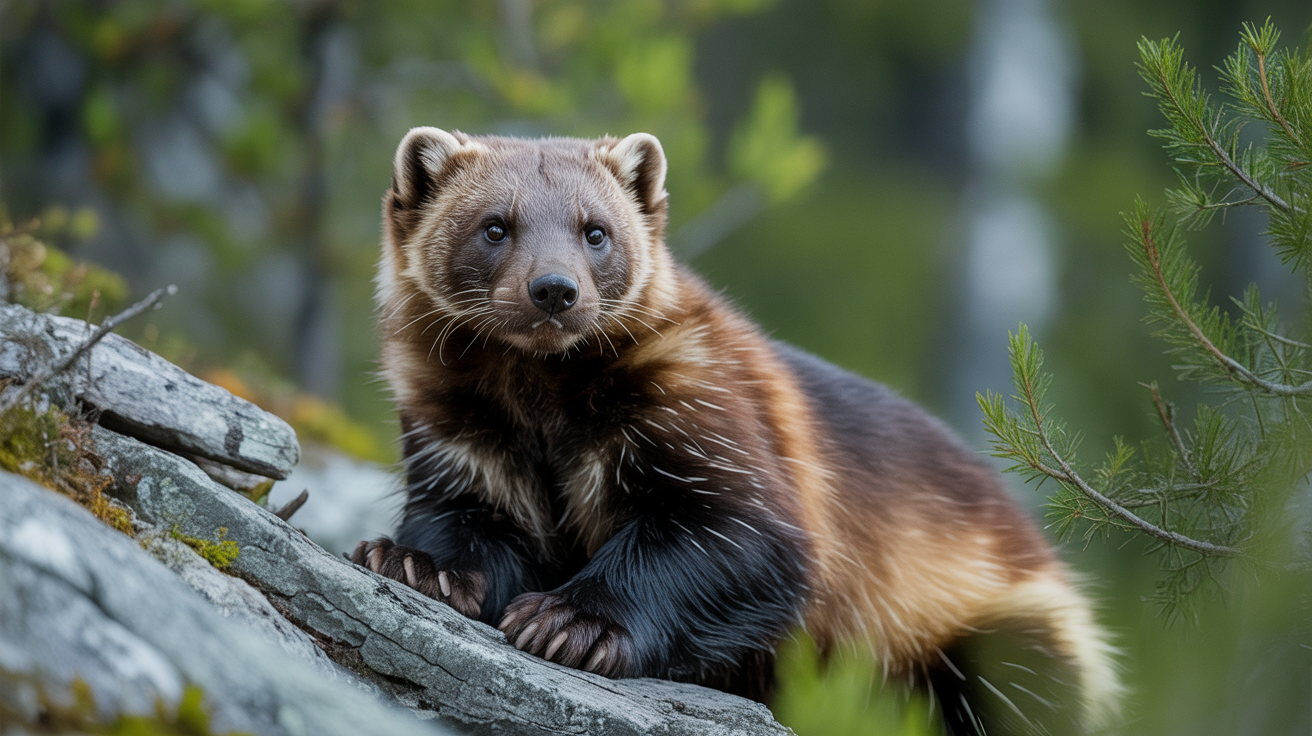
About the Wolverine
The wolverine (Gulo gulo), known regionally as the carcajou or quickhatch, is the largest terrestrial member of the Mustelidae family, which includes weasels, otters, and badgers. Adult wolverines typically weigh between 10 to 25 kilograms (22 to 55 pounds) and can grow up to 1 meter (3.3 feet) in length, including their bushy tail. Their robust build and powerful limbs are adapted for traversing snow-covered terrain, a necessity for survival in their boreal and subarctic habitats across North America, Europe, and Asia. Wolverines are renowned for their disproportionate strength and tenacity, capable of preying on animals as large as caribou, thanks to their strong jaws and sharp claws. Unlike many carnivores, they are largely solitary, relying on their keen sense of smell to locate food buried beneath deep snow or hidden by other predators. Their dense, oily fur is highly hydrophobic, providing essential insulation against frigid temperatures.
Fascinating facts
Large Mustelid
The wolverine is the largest terrestrial member of the mustelid family, which includes weasels, otters, and badgers.
Cold Climate Specialist
Wolverines are specially adapted to survive in cold climates, with thick, frost-resistant fur and wide paws for moving on snow.
Voracious Scavenger
They are opportunistic feeders, consuming carrion, small to medium mammals, birds, and sometimes even berries during summer.
Detailed description
The wolverine (Gulo gulo) is a robust, stocky carnivorous mammal and the largest terrestrial member of the Mustelidae family, with adults typically weighing between 8 and 18 kg (18–40 lbs) and measuring 65–107 cm (26–42 in) in body length, not including the bushy 17–26 cm (7–10 in) tail. Its dense, hydrophobic fur is dark brown with lighter facial and lateral stripes, providing insulation against extreme cold and snow. Wolverines possess powerful limbs, large paws adapted for traversing deep snow, and semi-retractable claws used for digging and climbing. Their skulls are broad and jaws exceptionally strong, enabling them to crush frozen meat and bone. Primarily solitary, wolverines maintain large territories, ranging from 100 to over 1,500 km², which they mark with scent glands. They are opportunistic feeders, consuming carrion, small to medium-sized mammals, birds, and occasionally berries or roots. Wolverines are known for their endurance, traveling up to 30 km (19 mi) in a day, and their ability to cache surplus food. Reproduction involves delayed implantation, with females giving birth to litters of 1–5 kits in snow dens during late winter or early spring. Their elusive nature and low population densities make them challenging to study in the wild.
Did you know?
Despite their stocky appearance, wolverines can climb trees and swim, making them surprisingly agile hunters.
Research & sources
Wikipedia summary
The wolverine, also called the carcajou or quickhatch, is the largest land-dwelling member of the family Mustelidae. It is a muscular carnivore and a solitary animal. The wolverine has a reputation for ferocity and strength out of proportion to its size, with the documented ability to kill prey many times larger than itself.
Behaviour & social structure
Wolverines are predominantly crepuscular but may be active at any time of day, especially in areas with minimal human disturbance. They are solitary except during the breeding season or when females are raising young. Home ranges are vast and overlap minimally, with males generally occupying larger territories than females. Wolverines are skilled scavengers, often following wolf packs or other predators to access remains of large ungulates, but they are also capable hunters, preying on hares, rodents, birds, and occasionally weakened deer or caribou. They exhibit food caching behavior, storing meat in snow or under rocks to consume later. Wolverines use scent marking extensively to communicate territory boundaries and reproductive status. Aggression is common when individuals encounter each other, though direct conflict is rare due to their solitary habits. They are adept climbers and swimmers, and have been observed raiding traplines or human camps for food.
Reproduction & life cycle
Wolverines breed from May to August, but exhibit embryonic diapause (delayed implantation), with fertilized eggs remaining dormant until late autumn or early winter. Gestation after implantation lasts approximately 30–50 days, and most births occur between February and April. Females excavate dens in deep snow, often under fallen trees or boulders, to provide insulation and protection for their kits. Litters typically consist of 2–3 kits, though up to 5 have been recorded. Kits are born blind and covered in white fur, developing rapidly and weaned at around 8–10 weeks. Females are solely responsible for parental care, and young may remain with their mother through their first summer, dispersing in autumn. Sexual maturity is reached at 2–3 years, but reproductive success is closely tied to food availability and environmental conditions.
Adaptations & survival
Wolverines possess several adaptations for survival in harsh northern environments. Their thick, oily fur is highly resistant to frost and moisture, crucial for thermoregulation. Large, snowshoe-like paws distribute their weight, allowing efficient movement across deep snow. Strong jaw muscles and specialized molars enable them to consume frozen carcasses and bones, an advantage in winter when fresh prey is scarce. Their acute sense of smell helps locate carrion beneath snow. Behavioral adaptations include food caching, long-distance travel, and the use of extensive home ranges to maximize resource acquisition. Delayed implantation allows females to time births with optimal environmental conditions, increasing offspring survival. Wolverines are also highly intelligent and exhibit problem-solving abilities, particularly in accessing food sources.
Cultural significance
The wolverine holds a prominent place in the folklore and mythology of Indigenous peoples across the circumpolar north, often depicted as a trickster or symbol of tenacity and survival. In Scandinavian, Siberian, and North American traditions, wolverines are respected for their cunning and strength. The animal features in the heraldry and place names of northern regions and is the namesake of the popular Marvel Comics character. Historically, wolverine pelts were highly valued for lining parkas and clothing due to their frost-resistant properties. The wolverine's reputation for ferocity has made it an emblem of toughness and resilience in various cultures.
Recent research
Recent research has focused on the effects of climate change on wolverine denning behavior and population connectivity. Genetic studies reveal low genetic diversity in some populations, raising concerns about inbreeding and long-term viability. Satellite and GPS tracking has provided new insights into movement ecology, home range size, and habitat use, highlighting the importance of large, undisturbed landscapes. Studies in North America and Scandinavia are investigating reproductive rates, kit survival, and the impacts of human infrastructure. Ongoing research aims to refine population estimates using non-invasive genetic sampling and camera traps. Conservation genetics and landscape connectivity modeling are increasingly important for managing fragmented populations.
Videos
Habitat
Boreal forests, tundra, and mountainous regions
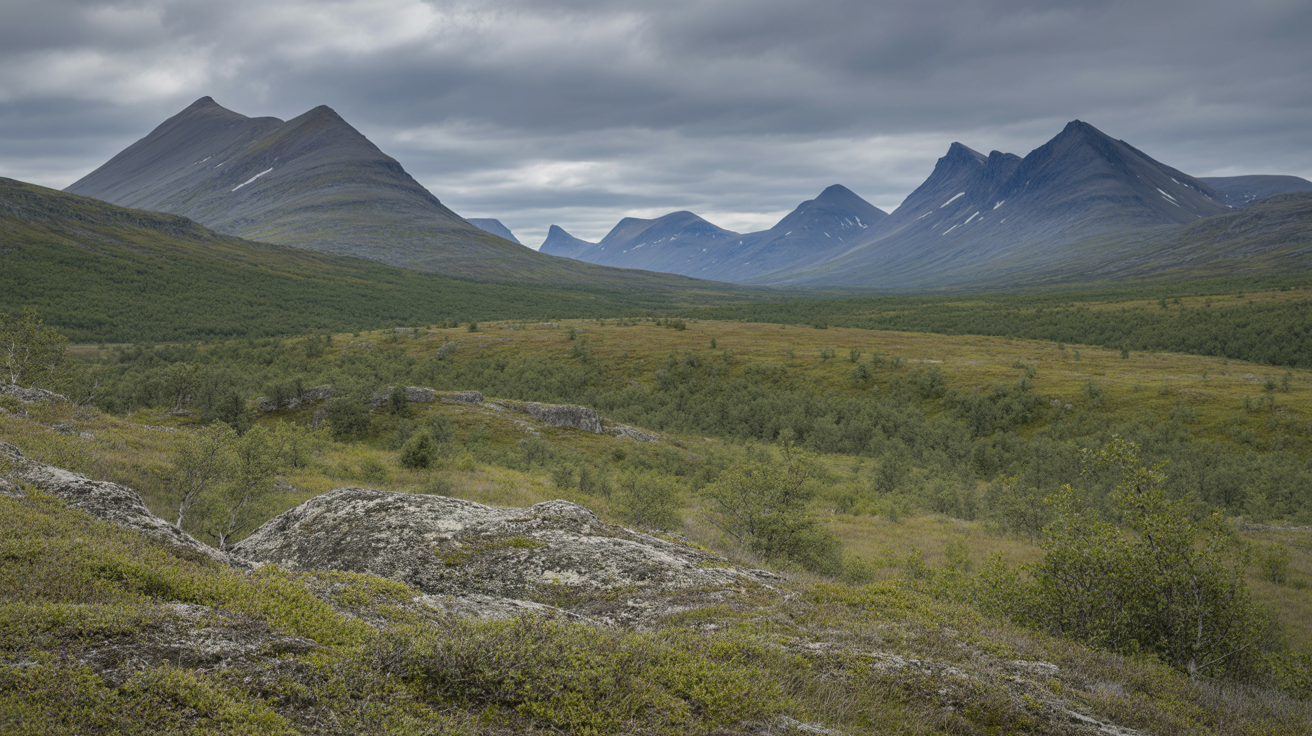 Polar and Subpolar Regions
Tundra
Cold, treeless regions with permafrost supporting specialized cold-adapted wildlife.
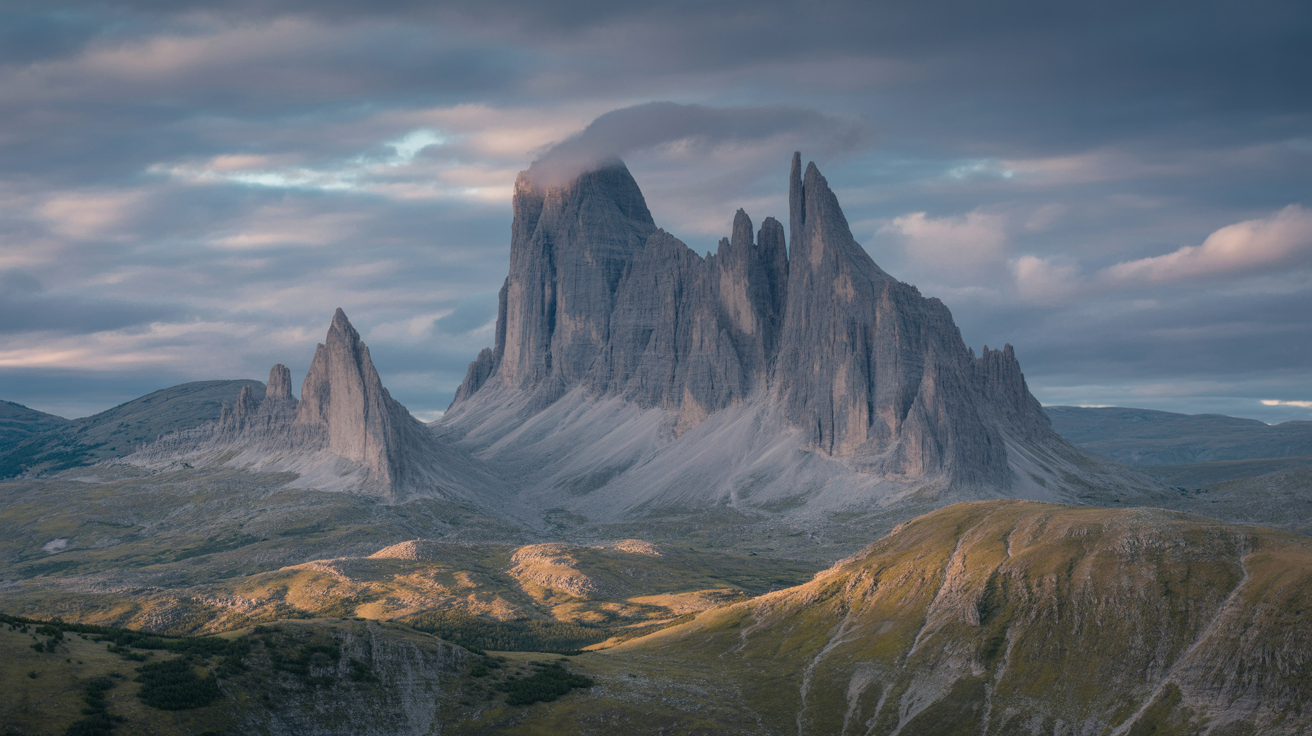 Elevated Terrain
Mountain
High-altitude environments with varying climates and specialized wildlife adapted to rugged terrain and thin air.
 Global
Forest
Wooded areas with significant tree cover and diverse plant and animal communities.
Conservation
The Wolverine is currently classified as Least Concern on the IUCN Red List.
Threats & challenges
Major threats to wolverine populations include habitat fragmentation from resource extraction (logging, mining, oil and gas development), climate change reducing persistent spring snow cover required for denning, and human persecution (trapping, hunting, and incidental poisoning). Road networks and human disturbance can impede movement and gene flow. In North America, populations are stable in remote northern regions but declining at the southern edge of their range, leading to regional conservation concern. In Europe, wolverines are listed as Vulnerable due to smaller, fragmented populations. Climate change poses a significant long-term threat by reducing suitable denning habitat and altering prey availability. Conservation efforts focus on habitat protection, connectivity, and reducing human-wildlife conflict.
Taxonomy
Scientific name
Gulo gulo
- Kingdom
- Animalia
- Phylum
- Chordata
- Class
- Mammalia
- Order
- Carnivora
- Family
- Mustelidae
- Genus
- Gulo
- Species
- gulo
Where to see a wolverine
7 zoos and aquariums in 4 countries are recorded as keeping this species.
 Tierpark Hellabrunn🇩🇪 München, Germany
 Alaska Zoo🇺🇸 Anchorage, United States
 Detroit Zoo🇺🇸 Royal Oak, United States
 Śląski Ogród Zoologiczny🇵🇱 Chorzów, Poland
 Zoo Montana🇺🇸 Billings, United States
Community notes
Share your observations about the Wolverine.
No community notes yet. Be the first!
Discover more wildlife
More fascinating animals from the encyclopedia.