
About the Sea Angel
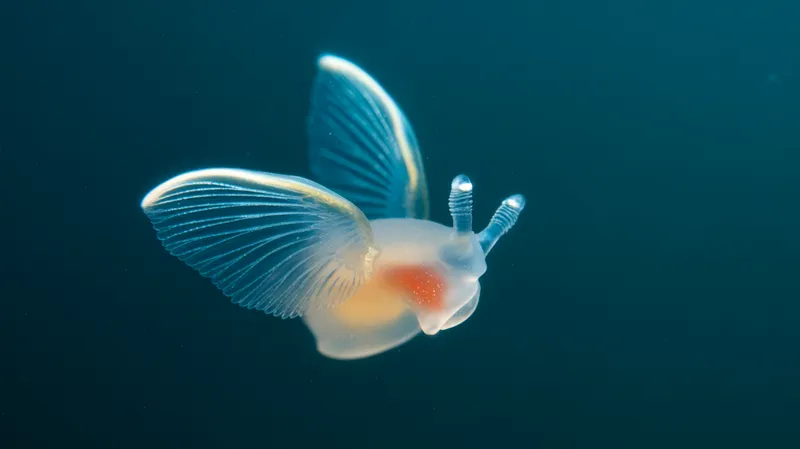
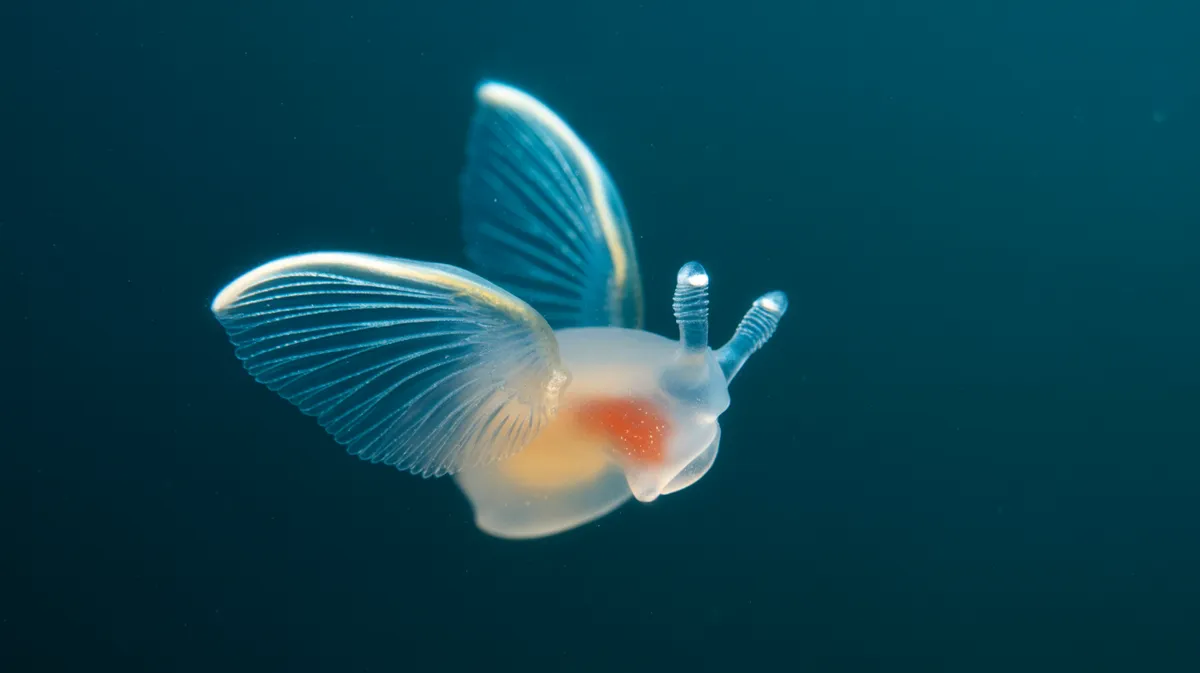
Sea angels are shell-less sea slugs of the group Gymnosomata, best known from the polar species Clione limacina, typically only 1 to 4 centimetres long. They are gastropods that abandoned the shell entirely and turned the foot into a pair of transparent wings, which they flap in a slow figure-of-eight to hover in the open water column. The angelic look is misleading. Clione is a specialist predator that eats almost nothing but the sea butterfly Limacina helicina, a shelled swimming snail. When it detects one, the beatific head splits open and everts a set of six hooked, muscular buccal cones plus a pair of chitinous hooks, which grip the prey's shell and slowly drag the soft body out; a meal can take 20 to 45 minutes. Its body is largely transparent apart from an orange-red gut and reproductive mass. Sea angels themselves are chemically defended, and in the Antarctic the amphipod Hyperiella dilatata kidnaps one and carries it on its back like a shield, which deters fish from eating the amphipod at a considerable cost in swimming speed. Both angel and butterfly are heavily affected by ocean acidification, which weakens the sea butterfly's shell and threatens to remove the sea angel's only food.
Fascinating facts
Angel-Like Movement
Sea Angels move by flapping their wing-like parapodia, giving them a graceful, flying appearance in water.
Almost Invisible
Their gelatinous, transparent bodies make them nearly invisible to both predators and prey in the open ocean.
Specialized Hunters
Sea Angels feed on sea butterflies by extending a proboscis equipped with grasping hooks to extract their soft bodies from shells.
Detailed description
Clione limacina, commonly known as the Sea Angel, is a small pelagic gastropod mollusk belonging to the family Clionidae. Adult individuals typically measure between 1 to 3 centimeters in length, though some northern populations can reach up to 7 centimeters. Their bodies are almost entirely transparent, with a gelatinous consistency, allowing internal organs and the orange-pinkish visceral mass to be visible. Sea Angels lack a shell in their adult form, a trait that distinguishes them from their close relatives, the sea butterflies (Thecosomata). The most striking anatomical feature is their pair of wing-like parapodia, lateral extensions of the foot, which they rhythmically undulate to propel themselves through the water in a graceful, fluttering motion. Internally, they possess a highly specialized buccal apparatus equipped with chitinous hooks and a radula, which they use to grasp and consume prey. Sea Angels are solitary and spend their entire lives in the water column, from the surface to depths exceeding 500 meters. Their ethereal appearance belies their predatory nature, as they are highly adapted to hunting and consuming shelled pteropods. Clione limacina plays a significant ecological role in polar and subpolar marine ecosystems, serving as both predator and prey within the pelagic food web. Their life cycle includes a free-swimming larval stage, and they exhibit remarkable physiological adaptations to extreme cold and variable food availability.
Did you know?
Sea Angels can survive in freezing waters and are found even under sea ice in polar regions.
Research & sources
Behaviour & social structure
Sea Angels are obligate carnivores with highly specialized hunting behaviors. They actively pursue their primary prey, the sea butterfly Limacina helicina, by detecting chemical cues in the water. Upon locating a target, they accelerate using rapid undulations of their parapodia, then extend their buccal cones to grasp the prey with eversible chitinous hooks. Feeding events can last several minutes as they extract the soft body from the prey's shell. Clione limacina is generally solitary, with little evidence of social interaction outside of mating. They exhibit diel vertical migration, moving to deeper waters during daylight hours to avoid visual predators and ascending at night to feed. Their locomotion is energy-efficient, allowing them to travel long distances in search of food. When food is scarce, Sea Angels can enter a state of metabolic depression, reducing activity and conserving energy for extended periods.
Reproduction & life cycle
Clione limacina is a simultaneous hermaphrodite, meaning each individual possesses both male and female reproductive organs. Mating typically occurs in late spring to early summer, coinciding with peak prey abundance. During copulation, two individuals align ventrally and exchange spermatophores. Fertilization is internal, and each individual can lay several hundred to a few thousand eggs in gelatinous strings or clusters, which are released into the water column. Embryonic development lasts from several days to a few weeks, depending on water temperature. The planktonic larvae, called veligers, possess a small shell and ciliated lobes for swimming and feeding. Metamorphosis into the adult form involves the loss of the shell and development of the characteristic parapodia. There is no parental care post-spawning, and mortality rates among larvae are high due to predation and environmental factors.
Adaptations & survival
Sea Angels exhibit a suite of adaptations for survival in cold, nutrient-variable pelagic environments. Their transparent, gelatinous bodies provide camouflage from both predators and prey. The loss of the adult shell reduces weight and increases buoyancy, facilitating efficient swimming. Their parapodia are highly muscular and capable of rapid, sustained movement, allowing for agile pursuit of prey. The buccal apparatus is uniquely adapted for grasping and consuming hard-shelled pteropods, a rare specialization among gastropods. Clione limacina can endure long periods of starvation by reducing metabolic rate and utilizing stored lipids. Biochemical adaptations, such as antifreeze proteins and enzymes optimized for low temperatures, enable them to thrive in polar waters. Their reproductive strategy, involving high fecundity and planktonic larvae, increases the likelihood of population persistence in fluctuating environments.
Cultural significance
Sea Angels have captivated the public and scientific community alike due to their delicate appearance and graceful swimming. They are often featured in marine documentaries, educational exhibits, and aquaria, symbolizing the beauty and fragility of polar marine ecosystems. In Japanese culture, they are known as 'Tenshi no tsubasa' (angel's wings) and are popularized in art and media. There are no known traditional uses or mythological associations beyond their modern symbolic value. Their unique biology has made them a subject of fascination and inspiration in popular science and conservation messaging.
Recent research
Recent research has focused on the physiological and molecular adaptations of Clione limacina to cold environments, including the identification of antifreeze proteins and cold-active enzymes. Studies on their feeding mechanisms have revealed the evolutionary convergence of their buccal apparatus with other predatory gastropods. Ongoing work is examining the impacts of ocean acidification on the predator-prey dynamics between Sea Angels and sea butterflies, with implications for polar food webs. Genomic studies are providing insights into their developmental biology and evolutionary history. Clione limacina is also used as a model organism for studying neural control of locomotion due to its relatively simple and accessible nervous system.
Sources
Clione limacina Phipps, 1774: Taxonomy, Distribution, and Ecology
WoRMS Editorial Board (2024)
scientificThe Biology of Clione limacina (Pteropoda: Gymnosomata) in Polar Waters
Lalli, C.M. & Gilmer, R.W. (1989)
scientificFunctional morphology and feeding behavior of the gymnosome pteropod Clione limacina
T. Lalli and R. Gilmer (1989)
scientificVideos
Habitat
Cold open ocean (pelagic zone)
 Polar Regions
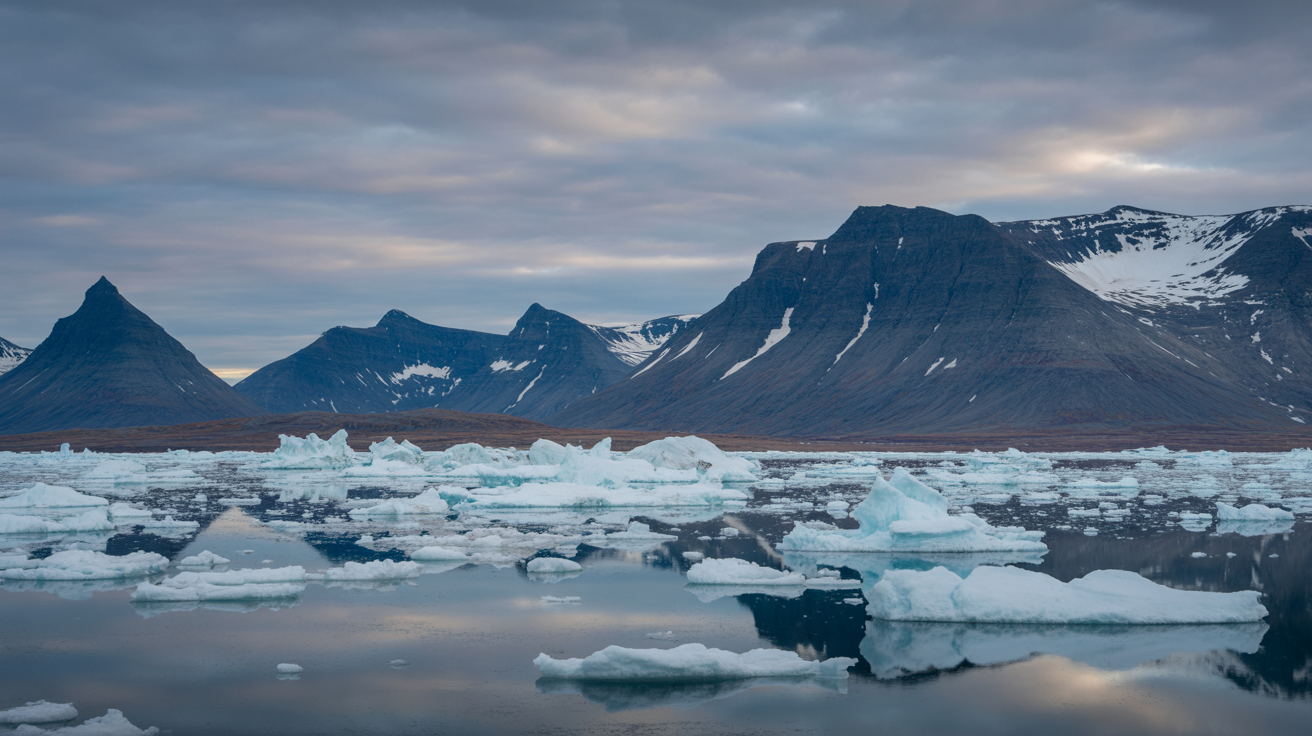
Arctic
Cold, frozen landscapes around the North Pole with specialized wildlife adapted to extreme cold.
 Polar and Subpolar Regions
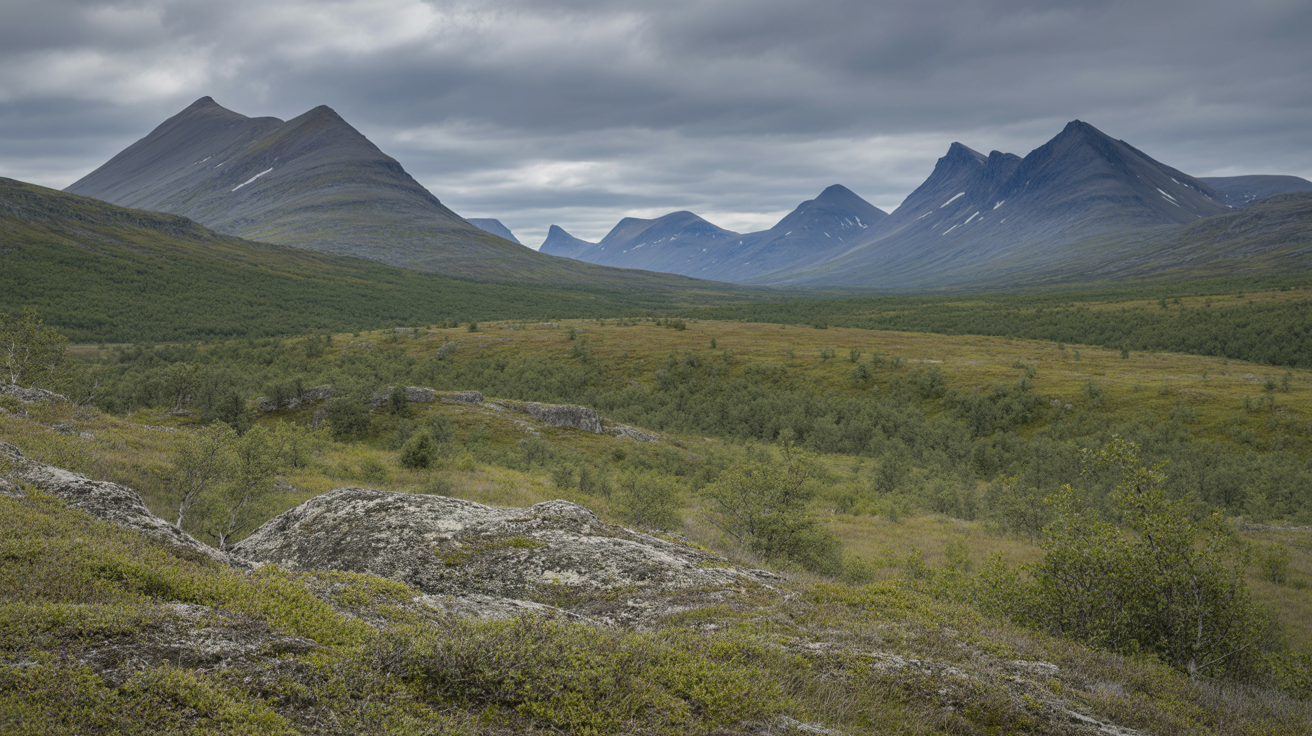
Tundra
Cold, treeless regions with permafrost supporting specialized cold-adapted wildlife.
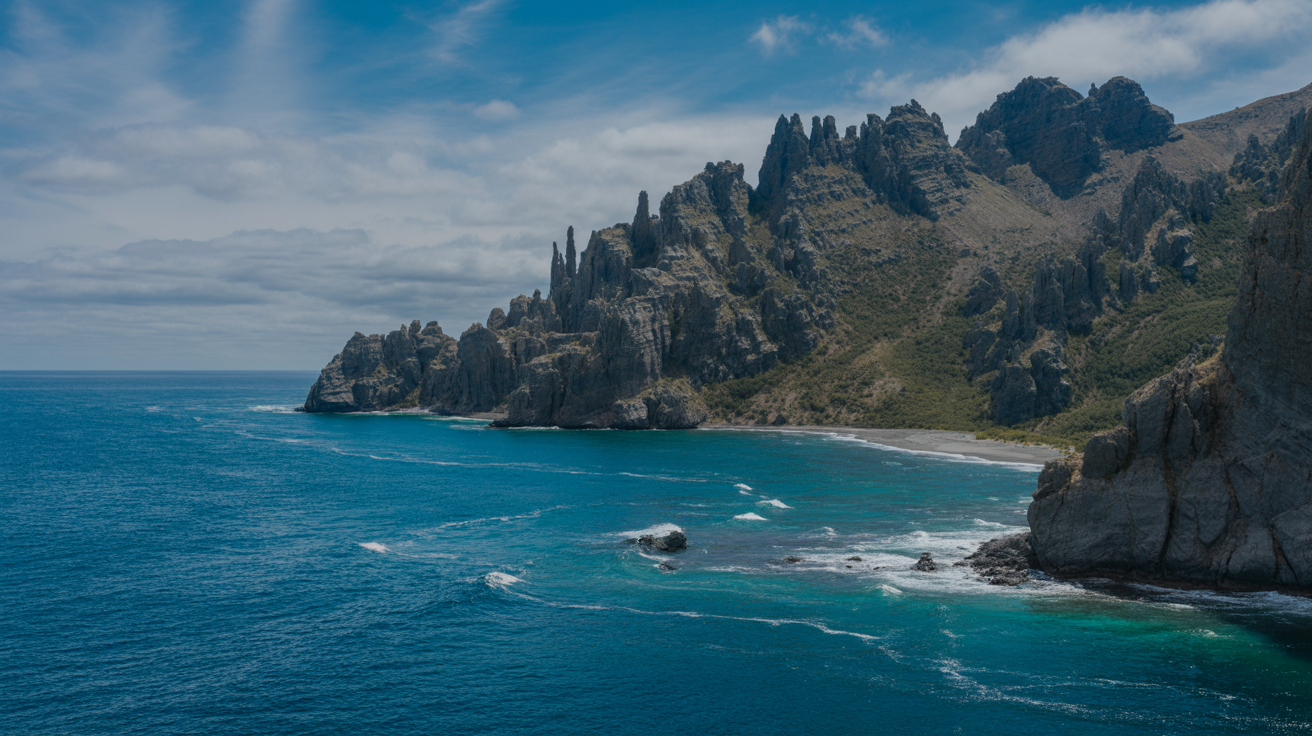 Global Waters
Ocean
Saltwater environments covering more than 70% of the Earth's surface, home to a vast variety of marine life.
Conservation
The Sea Angel is currently classified as Least Concern on the IUCN Red List.
Threats & challenges
Currently classified as Least Concern, Clione limacina faces few direct threats from human activity. However, ongoing climate change poses significant challenges, particularly through ocean warming and acidification. These changes threaten their primary prey, Limacina helicina, which relies on aragonite shells vulnerable to acidification. A decline in sea butterfly populations could have cascading effects on Sea Angel populations. Additionally, shifts in ocean currents and temperature regimes may alter their distribution and reproductive success. While not targeted by fisheries, Sea Angels may be indirectly affected by pollution and microplastics. Long-term population trends are not well-documented, but regional declines in prey abundance have been observed in some areas.
Taxonomy
Scientific name
Clione limacina
- Kingdom
- Animalia
- Phylum
- Mollusca
- Class
- Gastropoda
- Order
- Gymnosomata
- Family
- Clionidae
- Genus
- Clione
- Species
- limacina
Community notes
Share your observations about the Sea Angel.
No community notes yet. Be the first!
Discover more wildlife
More fascinating animals from the encyclopedia.