
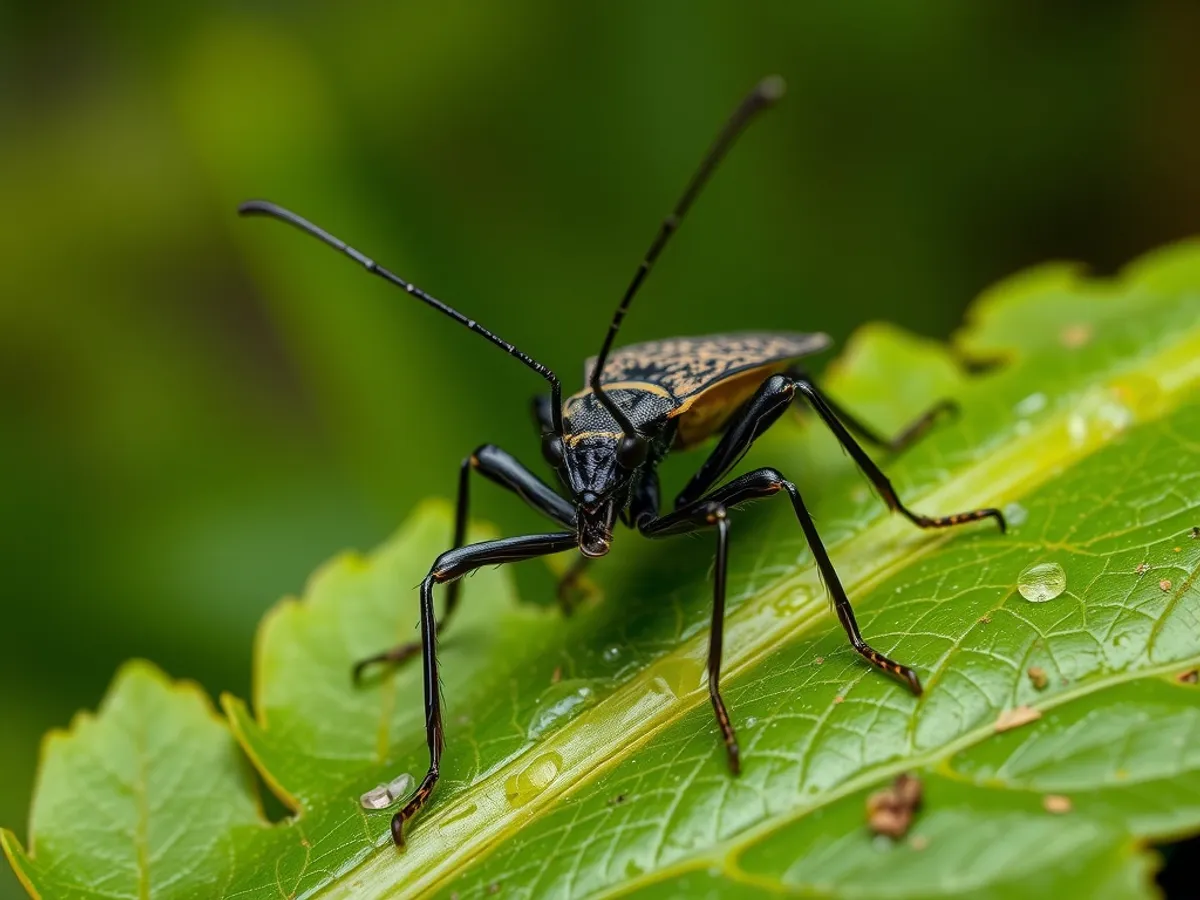
Assassin Bug
Reduviidae (family level, includes many genera and species)
About the Assassin Bug
Assassin bugs are a diverse group of predatory insects known for their elongated bodies, narrow heads, and distinctive curved mouthparts used for piercing and injecting venom into prey. These bugs inhabit various environments across the world, from forests and grasslands to gardens and even inside homes. Their predatory nature helps control populations of other insects, making them important contributors to natural pest regulation. While most species are harmless to humans, some, like the kissing bug, can transmit diseases such as Chagas disease.
Fascinating facts
Venomous Predators
Assassin bugs inject a venomous saliva into their prey that quickly paralyzes and digests internal tissues for easy consumption.
Masters of Camouflage
Many assassin bug species are adept at camouflage, often mimicking their environment to ambush prey or avoid predators.
Occasional House Guests
Some assassin bugs, especially kissing bugs, are known to enter human homes where they may bite sleeping people.
Detailed description
Assassin bugs (family Reduviidae) are a highly diverse group of true bugs, comprising over 7,000 described species worldwide. Adults typically range from 4 to 40 mm in length, with elongated, robust bodies and a distinct constriction behind the eyes, giving the appearance of a 'neck.' Their most notable anatomical feature is the three-segmented, curved proboscis (rostrum), which is held beneath the head and used to inject potent saliva into prey, liquefying tissues for ingestion. The forelegs are often raptorial or spined, adapted for grasping prey, while the wings (hemelytra) are well-developed in most species, allowing for flight. Coloration varies widely, from cryptic browns and greens to aposematic reds and blacks, often serving as camouflage or warning signals. Assassin bugs are primarily solitary ambush predators, though some species exhibit complex mimicry or camouflage to approach prey undetected. Their life cycle is hemimetabolous, progressing through egg, nymph, and adult stages without a pupal phase. Nymphs resemble adults but lack fully developed wings and reproductive organs. While most reduviids are beneficial predators of agricultural pests, some, notably the Triatominae or 'kissing bugs,' are hematophagous and vectors of Chagas disease in the Americas.
Did you know?
Certain assassin bugs in the genus Triatoma, known as kissing bugs, can transmit the parasite that causes Chagas disease in humans.
Research & sources
Wikipedia summary
The Reduviidae is a large cosmopolitan family of the suborder Heteroptera of the order Hemiptera. Among the Hemiptera and together with the Nabidae almost all species are terrestrial ambush predators; most other predatory Hemiptera are aquatic. The main examples of non-predatory Reduviidae are some blood-sucking ectoparasites in the subfamily Triatominae, with a few species from South America noted for their ability to transmit Chagas disease. Though spectacular exceptions are known, most members of the family are fairly easily recognizable: they have a relatively narrow neck, sturdy build, and formidable curved proboscis. Large specimens should be handled with caution, if at all, because they sometimes defend themselves with a very painful stab from the proboscis.
Behaviour & social structure
Assassin bugs are predominantly solitary and territorial, relying on stealth and ambush tactics to capture prey such as other insects, spiders, and occasionally small vertebrates. They use their sensitive antennae to detect vibrations and chemical cues, often remaining motionless for extended periods before striking with rapid precision. The proboscis delivers a cocktail of enzymes and neurotoxins that immobilize and pre-digest the victim. Feeding may last several minutes as the bug extracts liquefied tissues. Some species, such as those in the subfamily Emesinae (thread-legged bugs), exhibit remarkable mimicry of twigs or ants to avoid predation and approach prey. Defensive behaviors include releasing foul-smelling chemicals from abdominal glands and delivering painful bites if handled. Nocturnal activity is common, especially among Triatominae, which are attracted to host body heat and carbon dioxide.
Reproduction & life cycle
Mating in assassin bugs typically involves elaborate courtship, with males using vibrational signals or tactile cues to approach receptive females. Copulation is prolonged, sometimes lasting several hours, and males may guard females post-mating to prevent rival access. Females lay eggs singly or in clusters on vegetation, soil, or hidden crevices, often coated with a sticky substance for protection. Egg incubation ranges from one to three weeks depending on temperature and species. Nymphs undergo 5–7 molts before reaching adulthood, a process that can take several months. Parental care is rare, though some species exhibit egg guarding or selective oviposition to reduce predation risk. Breeding seasons are typically aligned with warm, humid periods, maximizing offspring survival.
Adaptations & survival
Reduviids possess several key adaptations for predation and survival. The robust, segmented proboscis is highly specialized for piercing exoskeletons and delivering venomous saliva. Many species exhibit cryptic coloration or mimicry, blending into their environment or resembling ants, wasps, or twigs to avoid detection. Some, like the subfamily Holoptilinae, have evolved setae that mimic fungal growths, enhancing camouflage. Defensive adaptations include the secretion of volatile compounds from metathoracic scent glands, deterring predators. Triatomines have evolved heat and CO₂ sensors to locate warm-blooded hosts. Behavioral plasticity, such as switching prey types or exploiting human dwellings, has facilitated the global success of the family.
Cultural significance
Assassin bugs have featured in folklore and traditional medicine in various cultures, often symbolizing stealth, danger, or retribution due to their predatory habits and painful bites. In Latin America, Triatominae ('kissing bugs') are notorious for their association with Chagas disease, leading to widespread public health campaigns and cultural references in art and literature. In some African and Asian communities, reduviids are used in traditional remedies or as natural pest control agents. Their striking appearance and predatory prowess have also made them subjects of fascination in entomological collections and educational programs.
Recent research
Recent research has focused on the molecular composition of assassin bug saliva, revealing complex mixtures of proteases, neurotoxins, and antimicrobial peptides with potential biomedical applications. Studies on Triatominae have advanced understanding of vector ecology, host preference, and disease transmission dynamics. Genomic analyses are elucidating evolutionary relationships within Reduviidae and between related Hemipteran families. Behavioral ecology studies have documented sophisticated mimicry, prey specialization, and interspecific interactions. Ongoing research aims to develop targeted biocontrol agents using predatory reduviids for integrated pest management in agriculture.
Videos
Habitat
Forests, grasslands, gardens, and human dwellings
 Arid Regions
Desert
Arid lands with minimal rainfall, extreme temperatures, and specialized wildlife adapted to harsh conditions.
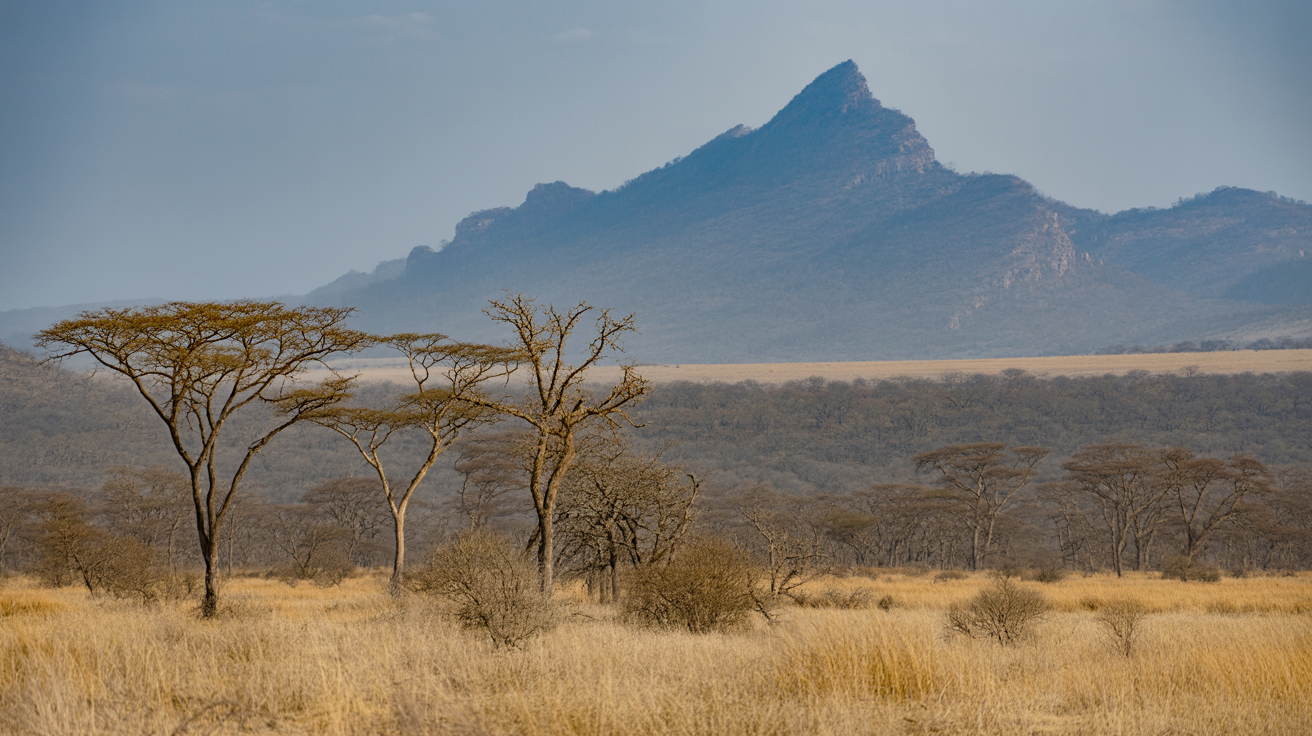 Africa
Savanna
Grasslands with scattered trees, characterized by seasonal rainfall and home to diverse grazing animals and predators.
 Various Continental Regions
Grassland
Open areas dominated by grasses rather than trees, supporting numerous herbivores and their predators.
 Elevated Terrain
Mountain
High-altitude environments with varying climates and specialized wildlife adapted to rugged terrain and thin air.
 Global
Forest
Wooded areas with significant tree cover and diverse plant and animal communities.
 Global
Freshwater
Lakes, rivers, and wetlands with diverse aquatic ecosystems.
Conservation
The Assassin Bug is currently classified as Least Concern on the IUCN Red List.
Threats & challenges
Most assassin bug species are not currently threatened and are classified as Least Concern, benefiting from broad ecological tolerance and adaptability. However, habitat loss, pesticide use, and climate change pose localized threats, especially to specialist or endemic taxa. Triatomine bugs, due to their role in transmitting Trypanosoma cruzi (Chagas disease), are subject to targeted control efforts, which can impact non-target reduviid populations. Some species are collected for the pet trade or scientific research, but this is not considered a major conservation issue. Population trends are generally stable, though ongoing habitat fragmentation may affect diversity in certain regions.
Taxonomy
Scientific name
Reduviidae (family level, includes many genera and species)
- Kingdom
- Animalia
- Phylum
- Arthropoda
- Class
- Insecta
- Order
- Hemiptera
- Family
- Reduviidae
- Genus
- Varies (e.g., Reduvius, Triatoma)
- Species
- Varies (e.g., Reduvius personatus, Triatoma infestans)
Community notes
Share your observations about the Assassin Bug.
No community notes yet. Be the first!
Discover more wildlife
More fascinating animals from the encyclopedia.